Deputy PM Rejects Southern Separation Petition, Thaksin Case Pending
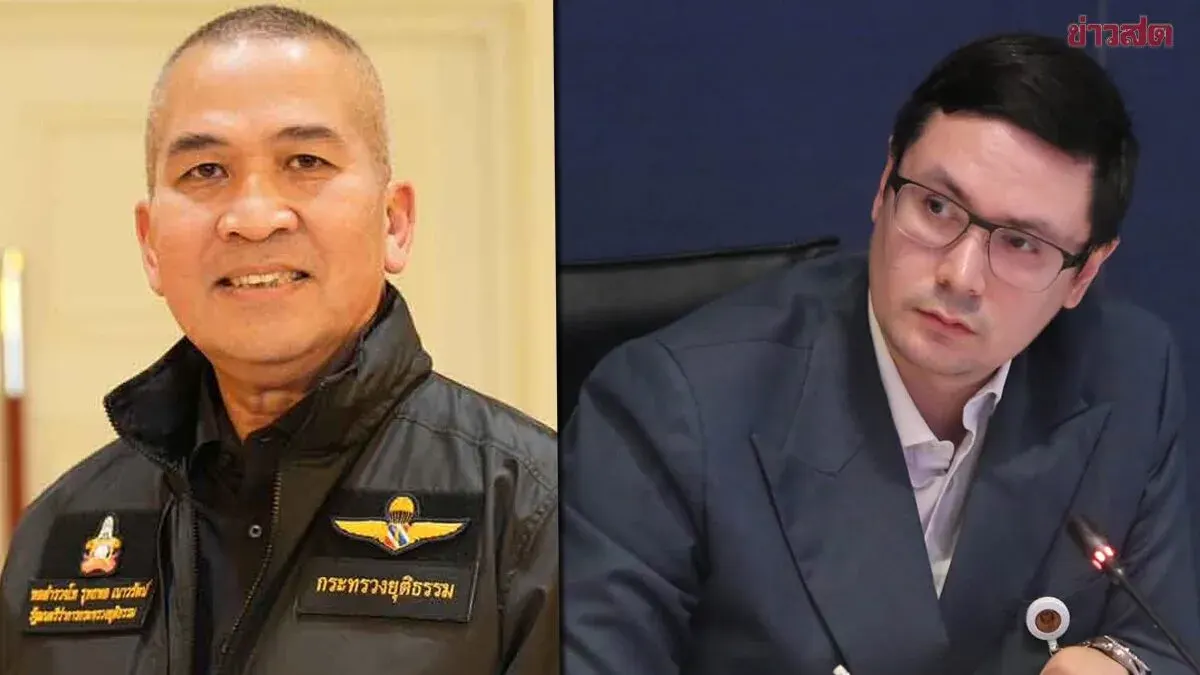
Deputy Prime Minister Pakanit Nilpanich announced the Peacebuilding Committee rejected a petition seeking southern territorial separation, ruling it violates the Constitution's indivisibility clause. The committee reviewed 64 petitions and confirmed former Prime Minister Thaksin Shinawatra's case is pending review by a sub-committee. Pakanit emphasized the Peacebuilding Act is not the sole legal avenue for reconciliation and urged all sides to avoid past violence.
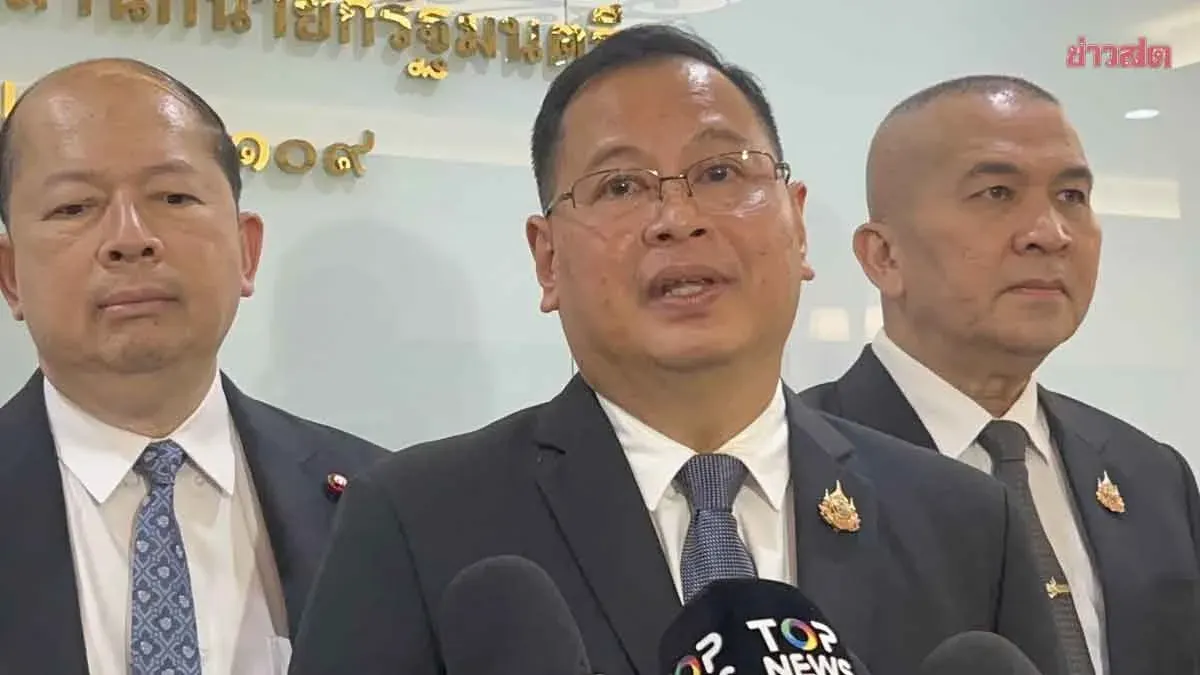
Deputy Prime Minister Pakanit Nilpanich, in his capacity as chair of the Peacebuilding Committee, disclosed the committee's meeting results at Government House at 3:20 PM on November 17. The meeting reviewed 64 petitions, with more continuing to arrive. Pakanit noted the missing element is verification, as petitions must be sent to relevant agencies to check for duplication and whether those agencies have acted within their authority. If they can act, they should do so immediately without waiting for the committee's adjudication. However, many matters have already been largely handled by the screening sub-committee, chaired by the Justice Ministry's Permanent Secretary. Previously, there were 4-5 cases from the Bangkok South Criminal Court that existed before the Peacebuilding Act took effect, and the court was found to have exercised its authority directly.
Pakanit said the meeting also considered two other issues: 1) the format of adjudications, originally governed by administrative procedure law with reasoning provided, and 2) a case referred by Pattani Provincial Court regarding southern security, submitting a legal question to the committee.
The committee established a principle that political expression falling under this Act must remain within the constitutional framework. Any action contradicting the Constitution would not fall under this law's provisions. Regarding the petition's reasoning for political expression – seeking political power through democratic means under a constitutional monarchy, not involving the state's governance structure – but the petition details allege behavior violating Constitution Article 1, which states Thailand is an indivisible kingdom. Therefore, behavior aimed at territorial separation is not protected by this Act.
Pakanit emphasized that achieving social peace does not rely solely on this Act; other legal avenues exist, including security laws with provisions for non-prosecution of offenders. He urged the public that peacebuilding stems from sincerity of all sides, and while political differences are normal, using violence to destroy each other is unacceptable in a democracy focused on reasoned debate.
The Deputy PM reiterated this law is not the only path to peace, calling for cooperation to prevent a recurrence of past conflicts from over 20 years ago. Any signs pointing toward such conflict should be stopped, and all should join hands to develop the country forward. He also noted the meeting considered suggestions from MP Thewarit Manichai, which were useful but many fall under the National Human Rights Commission and courts; the Commission's Deputy Secretary-General has taken the matter for further action. Other cases, such as Thaksin Shinawatra's petition, await the screening sub-committee chaired by the Justice Ministry's Permanent Secretary.