Doctor Recounts Mall Rescue, Urges Calling 1669 First
A doctor who assisted a seizure patient at a mall urges people to call emergency hotline 1669 first rather than attempting untrained first aid, while clarifying common misconceptions like never inserting objects in the mouth during seizures
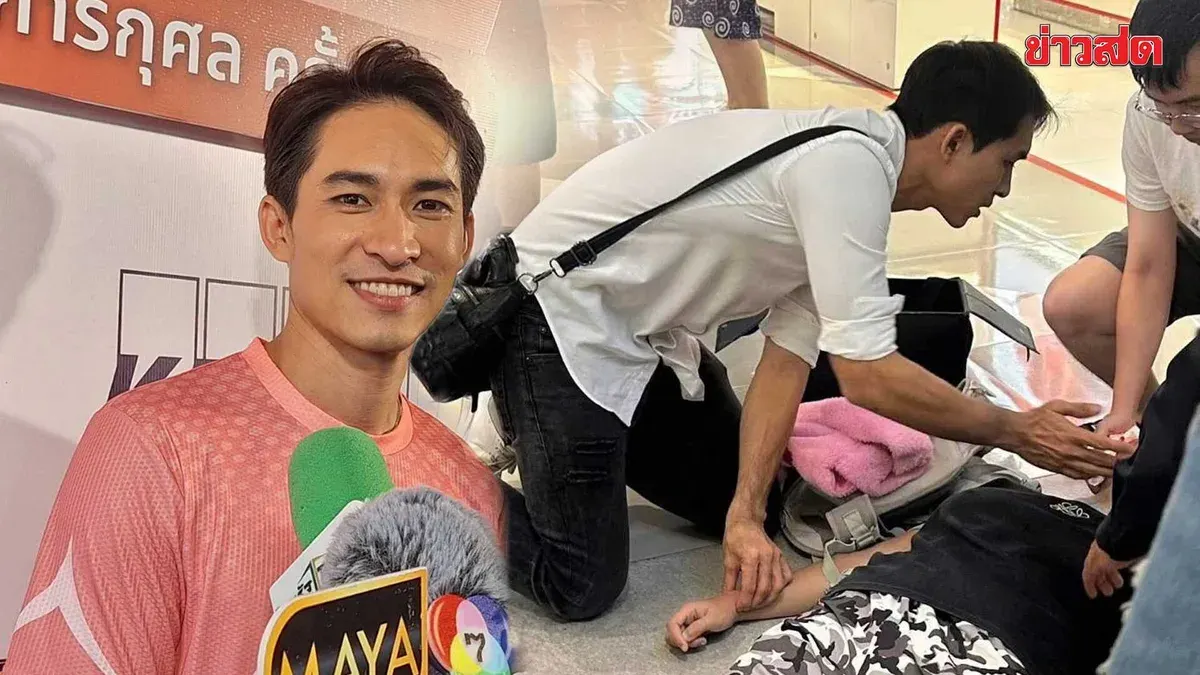
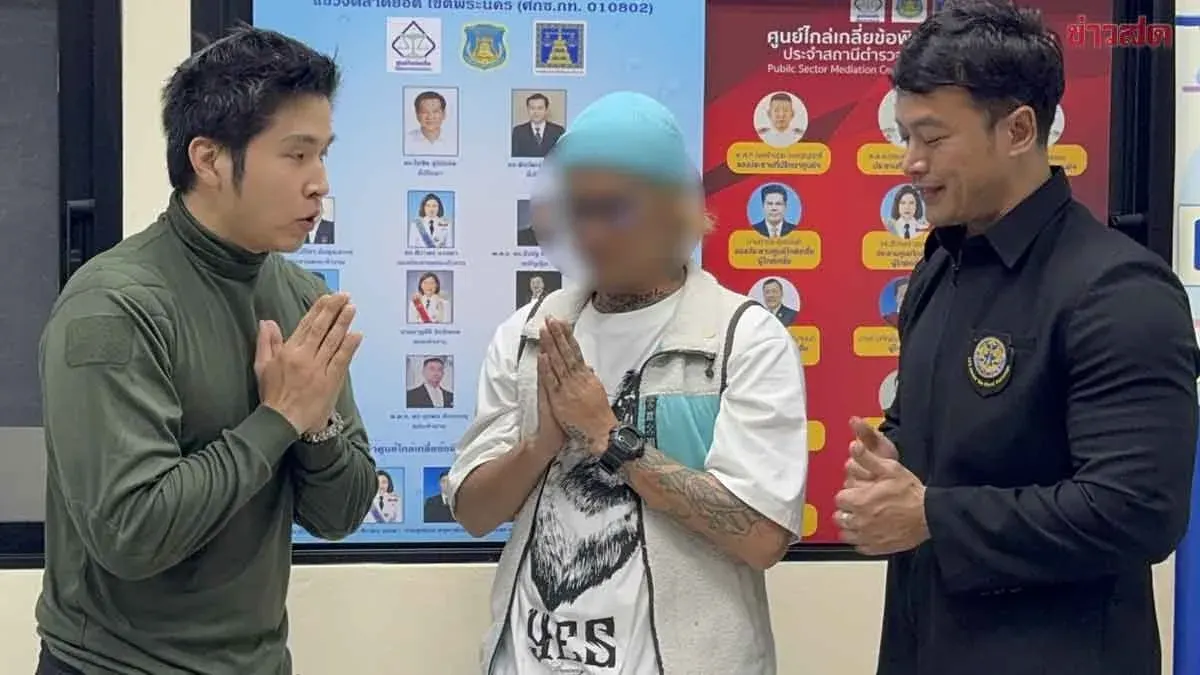
Dr. Kong, officially Lt. Col. Nawapon Subunja, has recounted his quick response to help a patient experiencing seizures and bleeding in a shopping mall, emphasizing that calling 1669 should be the immediate priority. The National Institute of Emergency Medicine recognized his swift action in assisting the patient.
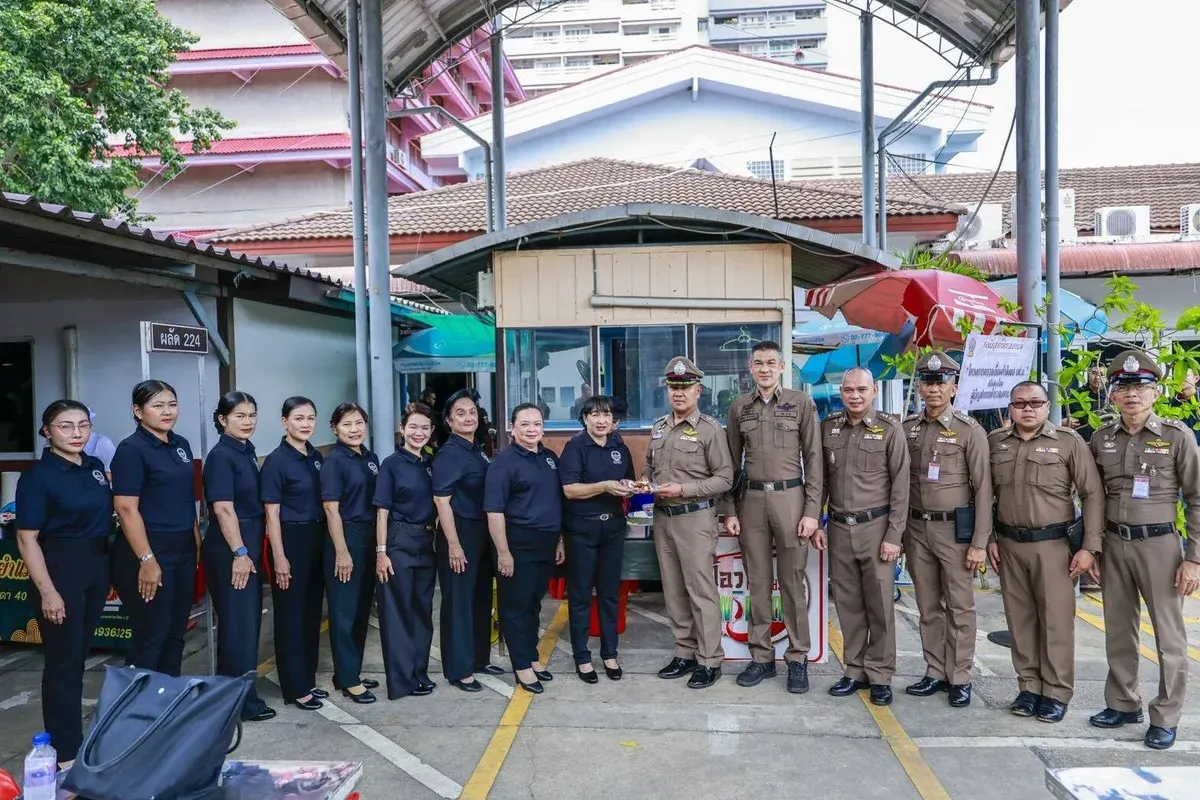
On July 9, Dr. Kong, participating in the 10th "Walk with Dharma" charity run at Boworniwet Temple's 100-year building, shared details of the incident and provided first-aid guidance.
"I happened to be at the mall and was about to leave when I noticed people looking at something, so I looked too," Dr. Kong explained. "I found a person lying down with commotion around them. I wasn't the first to notice the patient—another man was already there supporting the patient's head. When I checked, we learned the person was having a seizure, fell, and hit their head, with blood in their mouth.
"The first thing I wanted everyone to know is to call 1669. Don't overthink it. Helping someone is important, but remember we don't have medical equipment. So the first step is calling 1669. While we wait for them to arrive, we can assess the patient's condition."
Dr. Kong emphasized critical precautions: "If someone is still seizing, we must prevent their condition from worsening—watch for cardiac arrest and protect their airway from tongue biting. One major misconception is inserting a spoon in the mouth during seizures—this is absolutely prohibited. Instead, gently turn the patient to prevent tongue biting due to muscle tension. If the patient's heart hasn't stopped, there shouldn't be serious complications. Just wait for 1669 and hope the seizure stops. Once it does, you can communicate with the patient."
He added: "Calling 1669 is already helping because they arrive quickly and have proper equipment. If there's no cardiac arrest, basic care is sufficient. When calling 1669, don't be annoyed by their detailed questions about the patient's name, address, and health coverage. They ask many questions because they're simultaneously dispatching help. Modern technology automatically locates you via satellite. They ask these details to prepare proper medical response and determine the appropriate hospital based on the patient's insurance status, as sending every patient to the nearest hospital creates legal and financial complications."