EC Case Moves to Corruption Court for Probe
A lawsuit against Election Commission officials for rejecting Department of Special Investigation evidence has been transferred from Nonthaburi Provincial Court to the Criminal Court for Corruption and Misconduct Cases. The higher court's inquisitorial powers allow it to independently gather financial records and call witnesses, potentially uncovering whether the EC's majority acted improperly in dismissing evidence and reducing the number of accused from 229 to 77. The case tests the accountability of Thailand's election oversight body.
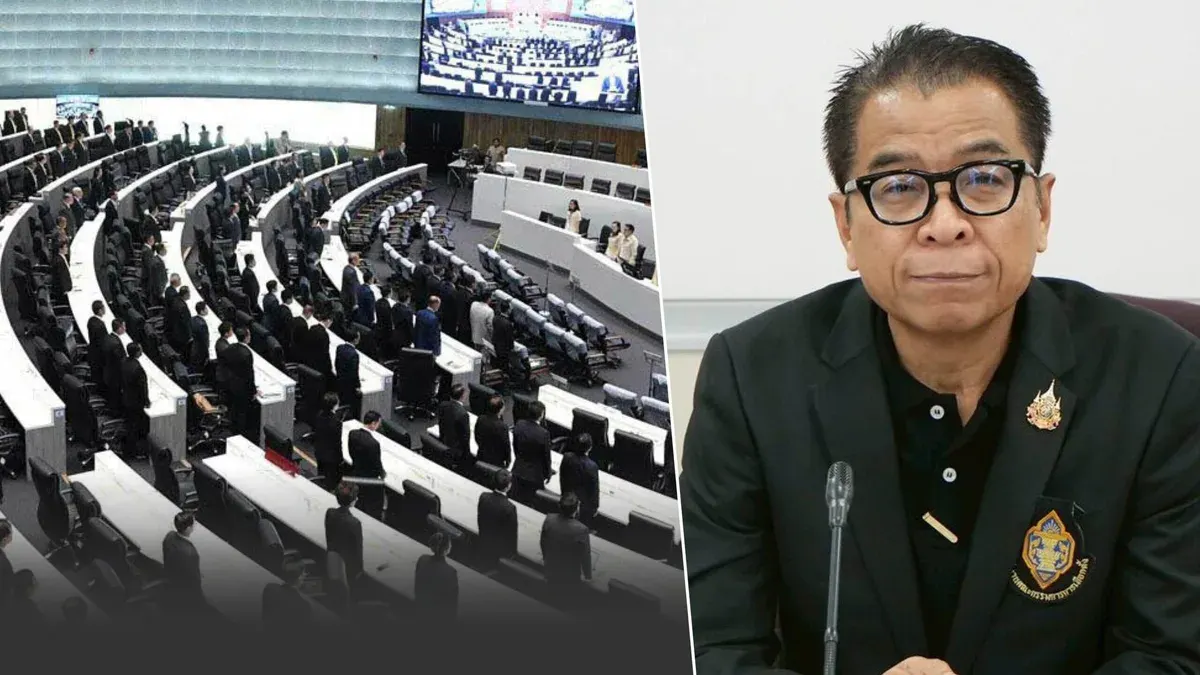
The election controversy has escalated as the review of the Election Commission's duties moves directly into the Criminal Court for Corruption and Misconduct Cases. This follows the Commission's majority vote rejecting financial trail evidence from the Department of Special Investigation (DSI) related to the election dispute. Reserve MP Pongsakorn Tangkittikul sued DSI Secretary-General Saowap Boonmee and eight EC commissioners at Nonthaburi Provincial Court, alleging refusal to accept DSI evidence may violate election law. Nonthaburi Provincial Court recently revoked its dismissal order and transferred the case to the Criminal Court for Corruption and Misconduct Cases Region 1. This is a pivotal shift because that court uses an inquisitorial system, not limited to evidence presented by plaintiff and defendant, but with authority to seek facts, call witnesses, and request additional documents — particularly financial trails and DSI investigation data that may be key to resolving the case. Meanwhile, the plaintiff withdrew suits against two minority commissioners, Sithichot Intrawiset and Chai Nakornchai, because both had voted against rejecting the DSI evidence. The court permitted the withdrawal, leaving six defendants: the EC Secretary-General and five majority commissioners. Two core issues now face the court: first, whether the majority's refusal to accept DSI financial evidence was a legitimate exercise of discretion or a dereliction of duty to aid wrongdoers; second, why the majority reduced the number of accused from 229 to just 77, and whether that reduction has sufficient legal basis. Both go to the heart of whether the EC performed its duties correctly, transparently, and fairly. However, all remain allegations pending judicial review of witnesses and evidence. This case is not merely about holding individuals accountable; it is a test of the independent body empowered to administer the nation's elections. The EC must ensure elections are honest and fair; if its own conduct is doubted, the justice process must be allowed to scrutinize it fully.