MP Thawi Opposes Centralized Local Exams, Cites Constitutional Risk
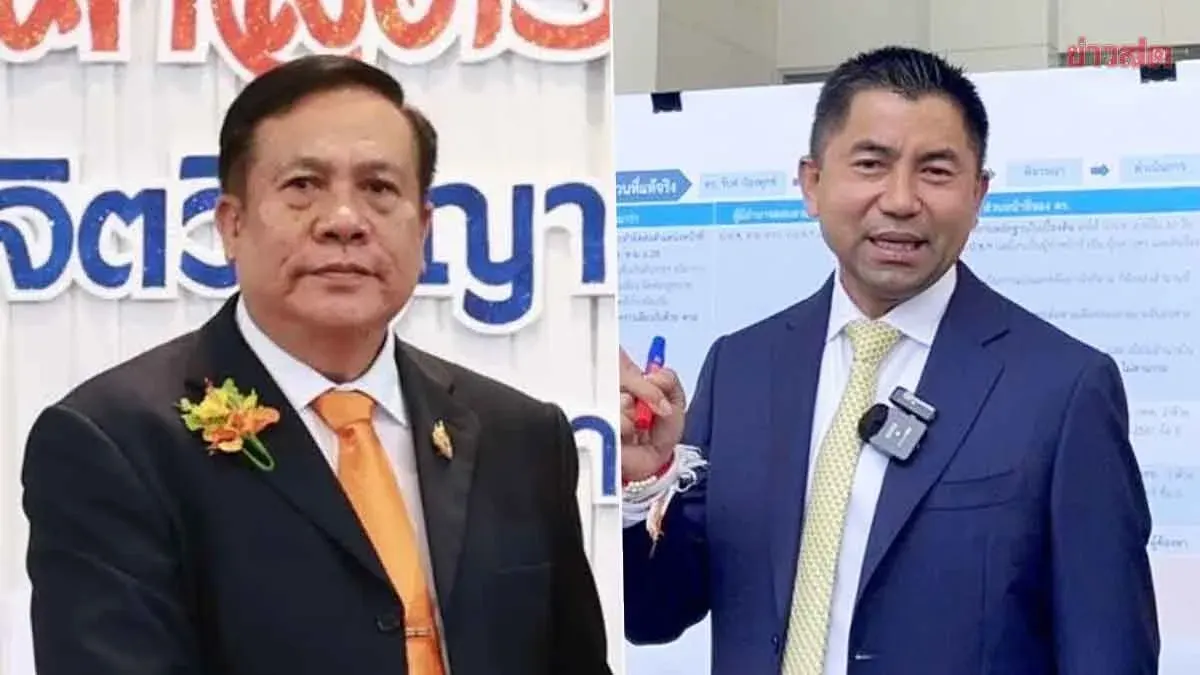
Prachachat Party leader Pol. Lt. Col. Thawi Sodsong warned that centralizing local civil service examinations under the Civil Service Commission violates Section 251 of the Constitution, which requires a merit system tailored to each locality. He argued that local people, especially in the Malay-speaking deep south, are essential for addressing inequality and understanding community needs. Thawi also dismissed corruption allegations as a pretext for recentralization, noting that past exam irregularities involved post-exam score tampering, not the examination process itself, and that legal action is already underway.
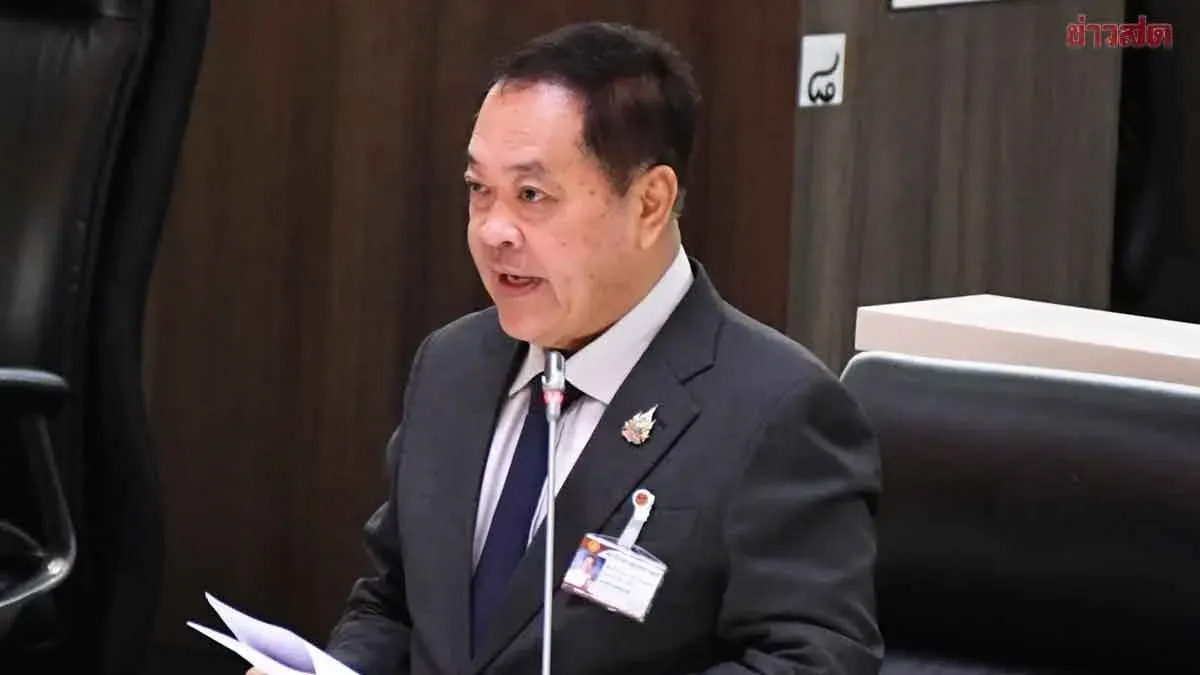
Thawi Opposes Centralizing Local Examination Authority, Cites Risk of Constitutional Violation Under Section 251, Insists on 'Local People' to Solve Inequality and Understand Local Identity
November 25, 2026 at Parliament — Reporters stated that during the House of Representatives meeting, which had on its agenda the consideration of the Draft Royal Decree on Regulations for Local Personnel Administration (No. ...) B.E. ..., after the Joint Committee had finished its consideration, Pol. Lt. Col. Thawi Sodsong, former Deputy Minister of Justice, party-list MP, leader of the Prachachat Party, and advisor to the Committee on Legislation, Justice, and Human Rights, expressed concern over the additional amendment to Section 5 of the draft law.
Pol. Lt. Col. Thawi stated that the spirit of the Local Administration chapter in the Constitution aims to enable localities to govern themselves transparently and in line with the people's needs, particularly Constitution Section 251, which stipulates that local personnel administration must employ a merit system coupled with consideration of the suitability and necessity of each locality and each type of local administrative organization. The Joint Committee's amendment to Section 5, designating a central agency — the Office of the Civil Service Commission (OCSC) — to manage examinations and evaluate results, constitutes a narrow interpretation that risks contravening or conflicting with the Constitution.
Furthermore, Pol. Lt. Col. Thawi cited areas with distinct identities and languages, such as Pattani, Yala, and Narathiwat provinces, where many people, especially the elderly, are not proficient in Thai and communicate primarily in Malay. Therefore, localities have an even greater need to open opportunities for local people to perform administrative and public service duties. He emphasized that the only way to solve the country's poverty and inequality problems is to decentralize power to those who truly understand local problems.
Regarding concerns about corruption in local examinations, which have been used as a rationale for recentralizing authority, Pol. Lt. Col. Thawi clarified that from the examination issues in 2025/2026, the examination process at test centers did not involve corruption; rather, there was covert score manipulation in the six months following the exams. The fact-finding committee appointed by the Prime Minister has already informed the committee that criminal, civil, and administrative proceedings have been pursued rigorously against those involved. Therefore, this case should not be cited as grounds to amend the Constitution's fundamental principles in order to centralize examination authority and certification solely under the OCSC.
Parliament unanimously passed the Draft Royal Decree on Local Personnel Administration Regulations, giving the OCSC authority to conduct examinations for Phase 1.