Education Experts Warn Against School Hair Policies
Education experts warn that allowing schools to set hair policies risks sidelining student voices despite consultation efforts, as traditional authoritarian practices like using haircuts as punishment remain common in Thai institutions.
Education scholars are raising concerns about proposals to let schools and school committees set hairstyle rules for students, warning that while consulting teachers, parents, and students is positive, the practice carries serious risks in implementation. Sommapong Chitlevel, an education scholar, explained on August 19 that although schools may be asked to hear student voices, if decision-making power remains concentrated with administrators, teachers, and school committees, student input risks becoming mere window dressing rather than influencing actual decisions.
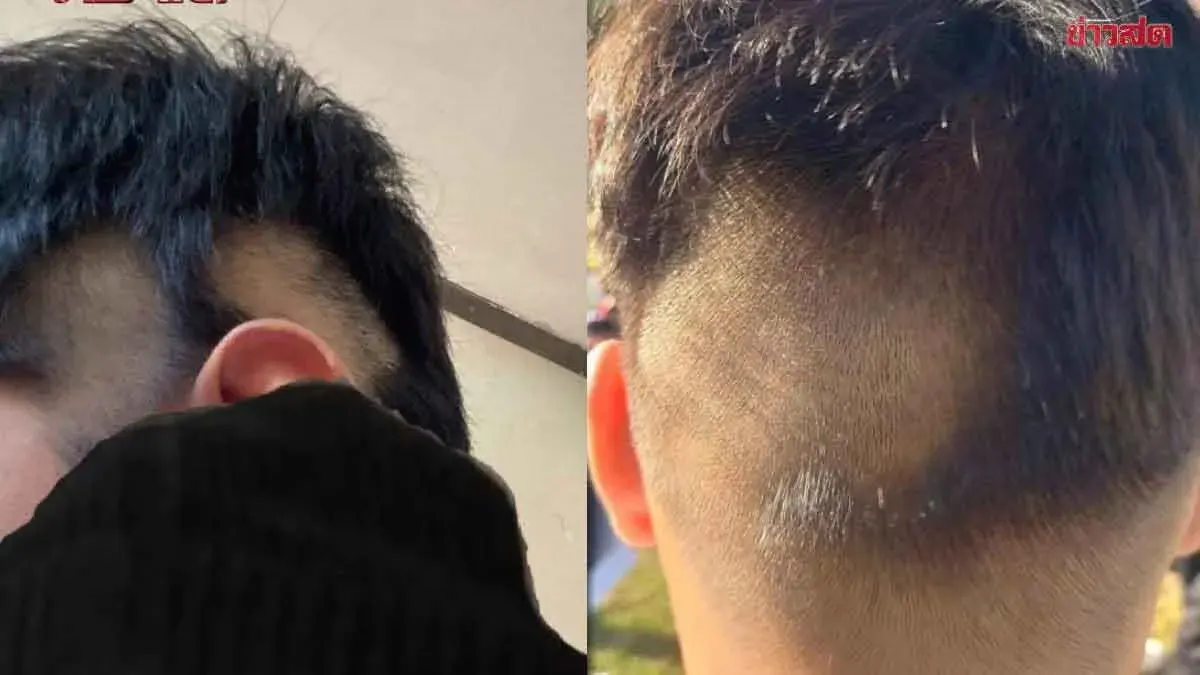
Chitlevel identified three key concerns. First, the traditional mindset linking neat appearance to short hair persists in many schools despite broader social changes favoring children's rights and bodily autonomy. Without clear safeguards, student voices may be overlooked. Second, the practice of cutting students' hair as punishment reflects an authoritarian school system and raises questions about accountability—if schools continue using hair-cutting as a disciplinary measure affecting children's bodily rights, what consequences will administrators face? Third, schools should strengthen student councils to balance power between administrators and school committees rather than letting adults make all decisions.
Chitlevel stressed that student council participation should not merely be about choosing hairstyles, but about building democratic learning, teaching responsibility and citizenship. Schools wanting to develop quality citizens must create space for students to participate in decisions affecting their own lives, and should integrate children's rights education into curricula to dismantle the authoritarian culture still embedded in educational institutions.