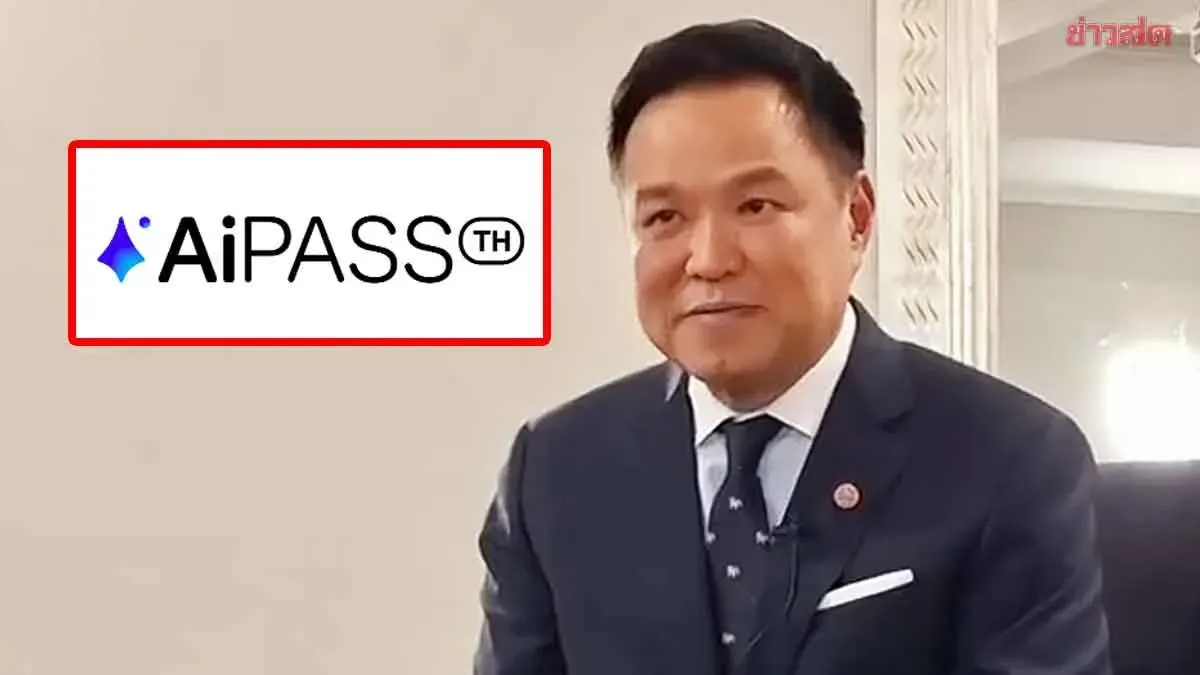
Prime Minister Anuthm Charnveerakul has defended the TH-AI Passport programme against opposition criticism, calling it essential for universal access to modern technology rather than wasteful spending. Speaking from Australia, he expressed confidence that registration numbers will demonstrate the initiative's value and said the project was delayed to improve terms and secure legal approval. The PM framed AI skills development as the government's response to workforce adaptation and future economic competitiveness.
Prime Minister Anuthm Charnveerakul has rejected characterizations of the TH-AI Passport as worthless or wasteful, urging critics to wait and assess outcomes based on registration numbers. Speaking from Canberra, Australia, on August 19 during an official visit, he confirmed the initiative is designed to align with modern times and give all citizens access to AI without restrictions.
When asked what benefits the passport offers, the PM said Digital Economy Minister Chaiyachon explained that it provides stable access to applications and platforms. Without payment or subscription, free AI apps typically start fast but gradually slow down while ads and restrictions accumulate. The TH-AI Passport project, originating from the Digital Economy Ministry, was revived and enhanced by the current government, which elevated its status, expanded platforms, and added more application channels.
The PM acknowledged the launch was delayed beyond the original mid-July target due to criticism requiring clarification. The government negotiated with service providers to amend contracts and add benefits, requiring approval from the Attorney General's Office, which caused the postponement. He dismissed opposition claims that the programme lacks merit, asserting that if it were truly frivolous or purposeless, it would not attract substantial registrations. He framed the initiative as central to developing Thai citizens' capacity to access the world's most advanced technology, targeting students, entrepreneurs, and small business owners.
Addressing AI's threat to Thailand's workforce—a concern raised by former PM Thaksin Shinawatra—the current premier stressed the need to upskill and reskill citizens across all labour sectors, from manual to intellectual work. He argued that without such training, Thaksin's concerns would materialize, but with AI adoption in design and planning, human potential could be enhanced. The PM concluded that every crisis presents opportunity, and expanded AI access represents the government's answer to workforce adaptation challenges.