No Clear Solution – MP Shooting Case Remains Murky as Three Southern Provinces Deteriorate
Unrest in Thailand's deep south has intensified over the past two weeks with daily violent incidents, while a contentious shooting case involving a Narathiwat MP has exposed alleged military and government involvement, complicating counteri
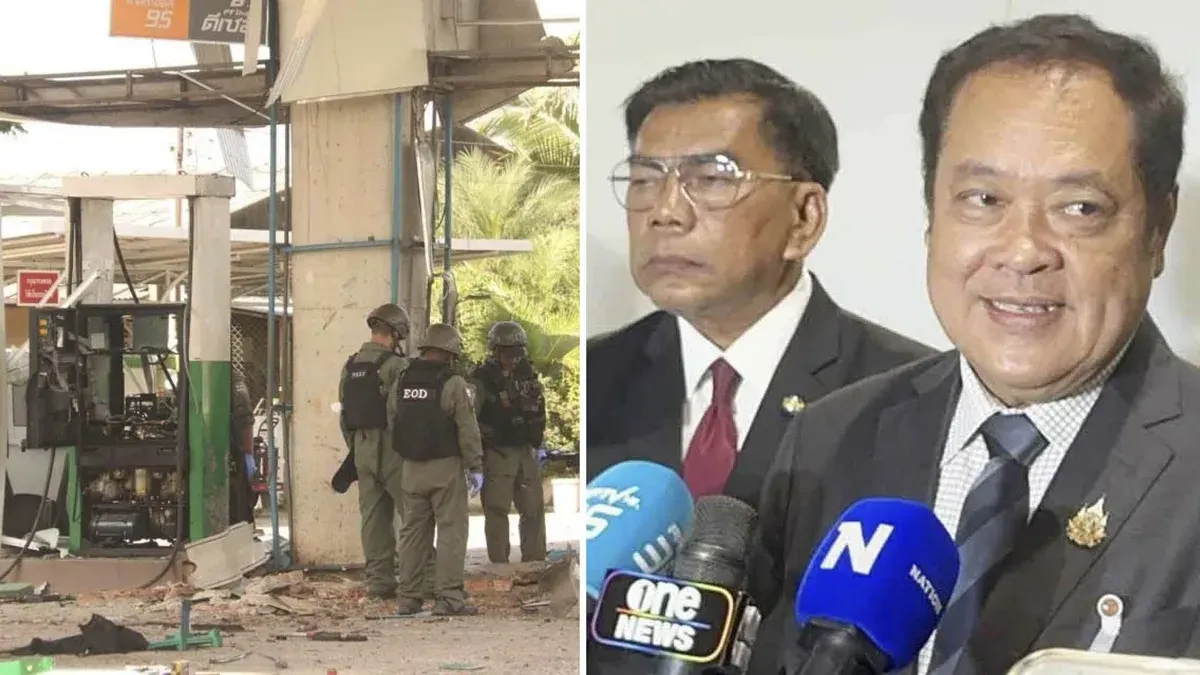
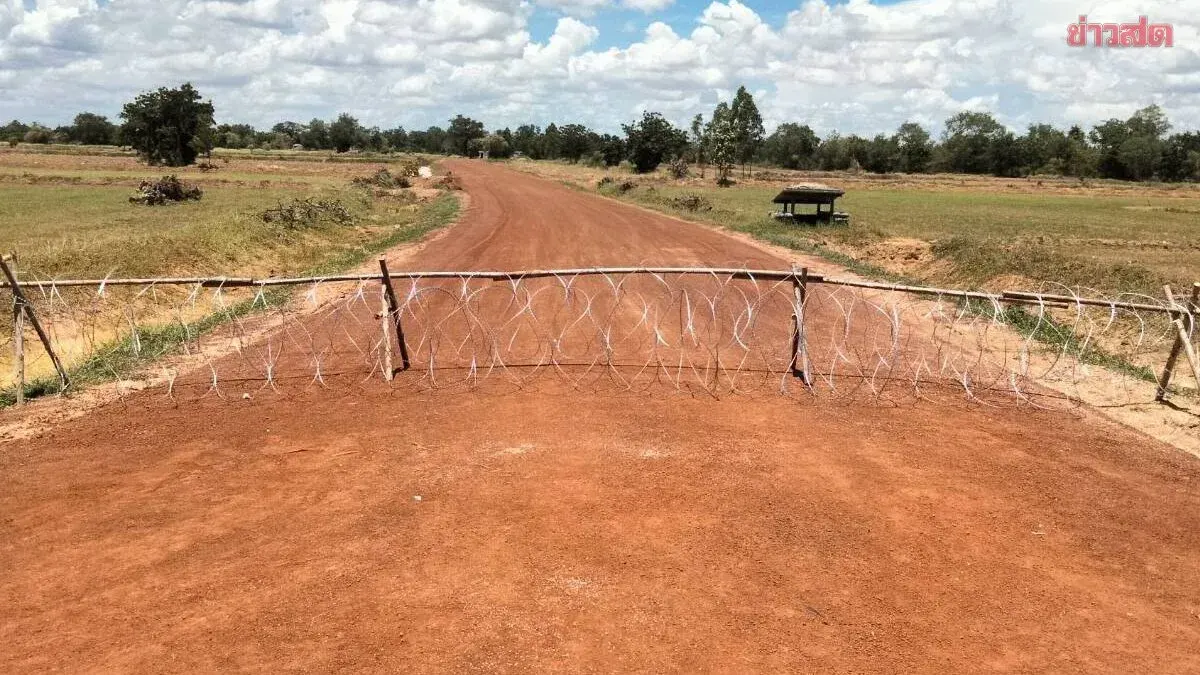
Over the past 2-3 weeks, the southern insurgency situation has become abnormal with severe incidents occurring almost daily and multiple incidents per day, causing loss of official lives, civilian injuries, and extensive property damage.
This prompted the Senate's Military and State Security Committee spokesperson to call for the replacement of Region 4 Commander and the ISOC secretary-general, citing policy failures in public relations and ISOC operations.
Frequent southern insurgency incidents clearly harm public peace and impact border tourism. Relevant agencies must acknowledge reality and urgently seek solutions.
The committee's focus on Region 4 Commander Lt. Gen. Nathip Poynaok stems from his previous controversial remarks in the Kamlasak Lewamae case, a Nakhon Si Thammarat MP from the Palang Pracharath Party, which involved Ponae Tadika school and a hardline, hawkish approach.
Globally established wisdom, including from Thailand's own civil conflict history, shows that political wars cannot be suppressed by force—the more one suppresses, the larger terrorism grows. Only politics leading military strategy, with principles of understanding, engagement, and development, can succeed.
Region 4 Commander's stance and the Kamlasak shooting case both contradict effective southern insurgency solutions and further destabilize the three southern provinces.
Authorities arrested seven operatives and coordinators, including two Navy officers at rear admiral and captain ranks. Military ISOC vehicles were used in the incident, and weapons forensics revealed a Navy rifle scheduled for destruction that was allegedly used to shoot MP Kamlasak, plus a U.S.-supplied weapon now involving the U.S. Embassy in Thailand.
Despite such official traces, police investigation stalled at the shooters without reaching the masterminds—a clear procedural failure. The Palang Pracharath Party investigation team, led by Police Major General Thawi Sodsong, party leader and former renowned detective, independently traced evidence and accessed suspect phone data through court processes, bypassing normal police procedures.
Major developments may emerge soon from the Palang Pracharath team, but the Kamlasak shooting case—orchestrated by government network—represents a critical fault line intensifying the three southern provinces' crisis.
By Vong Tawan