Thailand Plans 200 Billion Baht Clean Energy Shift to Electric Buses and Taxis
Thailand will invest 200 billion baht to convert public transport buses, taxis, and vans to electric vehicles while removing older polluting vehicles from roads across all regions.
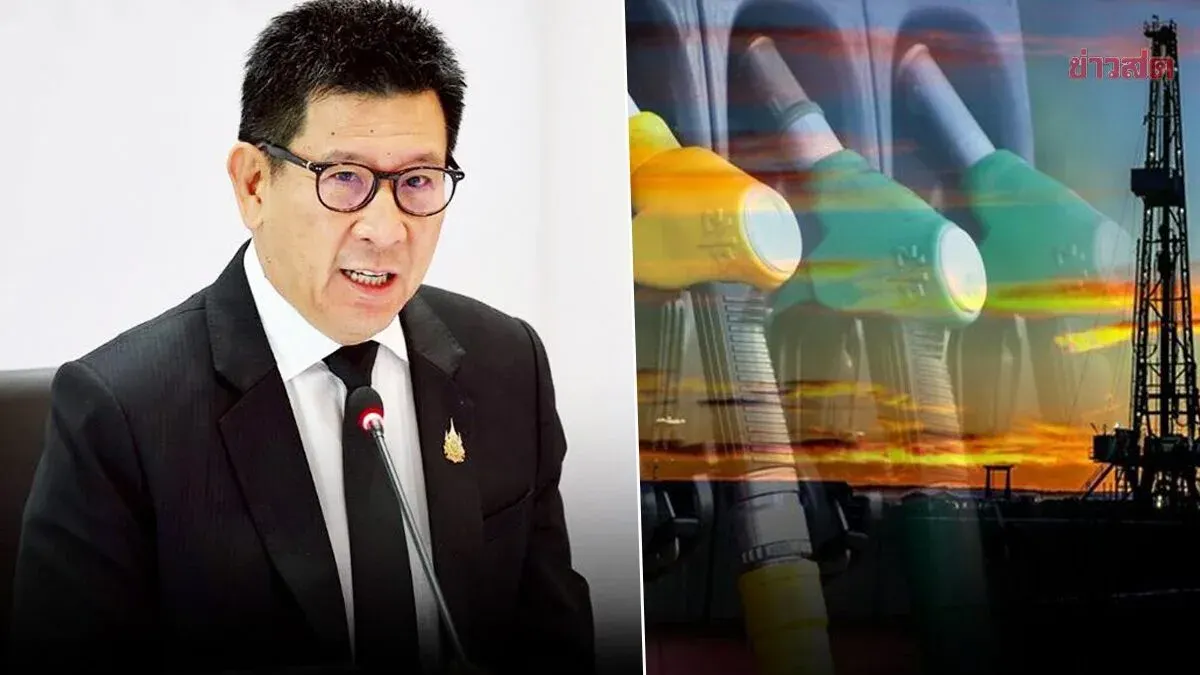
Deputy Prime Minister and Finance Minister Ekniti Nithithamonthon has announced progress on the clean energy transition plan funded by 200 billion baht from a 400 billion baht borrowing decree. Beyond supporting rooftop solar installations for the public, a portion will be used to convert public transport vehicles to electric vehicles. Ekniti has assigned Finance Ministry Permanent Secretary Lawon Saengsan to oversee and guide the initiative, with the Finance Ministry prioritizing public transport vehicles first because they have high system usage and broad public impact.
The project aims to remove old vehicles that emit PM2.5 and carbon dioxide from circulation, helping reduce energy consumption and air pollution comprehensively. Old vehicles will undergo deregistration with details to be discussed with the Transport Ministry. The transition will cover vans, taxis, buses, and provincial buses across all regions.
For managing scrapped vehicles, discussions with the Industry Ministry are underway to identify qualified companies and public agencies capable of vehicle dismantling. Private sector discussions have shown that private firms already have standardized vehicle recycling systems and could take a lead role in dismantling and processing old vehicles. Biodiesel B20 vehicles are also under consideration to reduce agricultural sector impact and domestic fuel dependency. The government is also exploring a vehicle trade-in program for new vehicles.
The Finance Ministry and the Revenue Department are currently coordinating with the Industry Ministry to address remaining implementation issues. The existing EV 3.5 subsidy measure remains in place, offering approximately 50,000 baht per vehicle. However, the primary focus will be on converting public transport vehicles to electric before other categories, given their broad impact. Detailed budget allocation has not yet been determined.