Lanta & News
No. 01 · ENDLESS
National

Thailand Plans EV Bus Fleet Overhaul Using Borrowed Funds

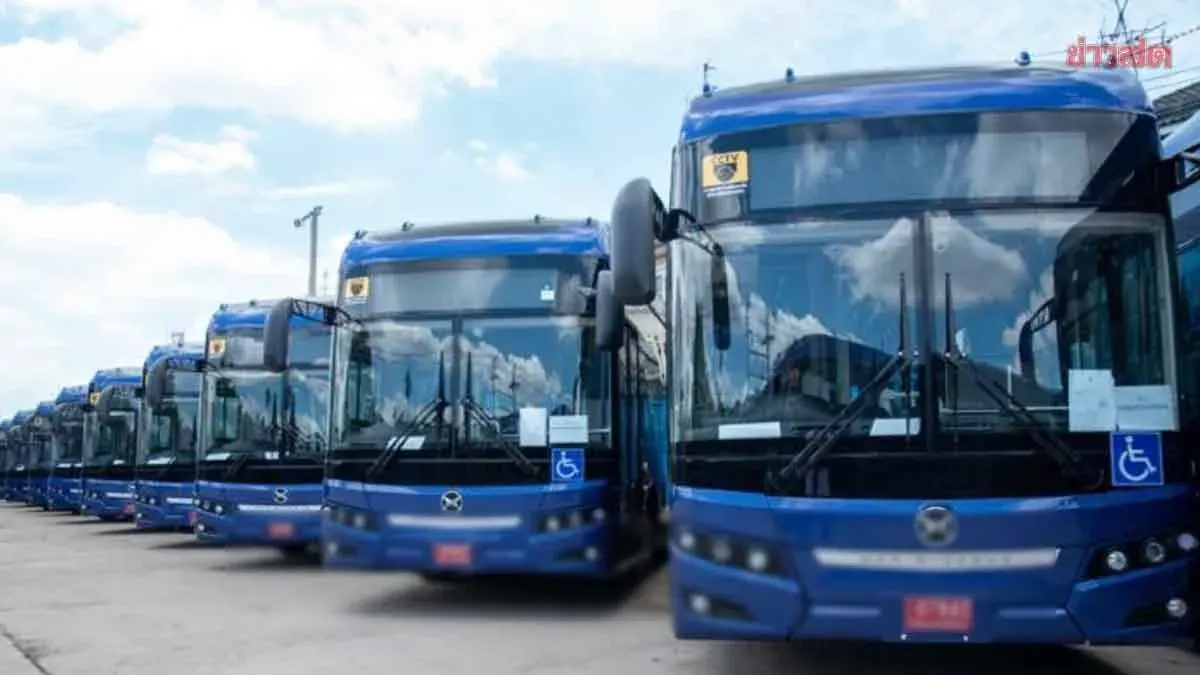
Thailand plans to replace its public transport buses with 2,320 electric vehicles by mid-2026, funded through 200 billion baht in emergency borrowing as part of a broader EV infrastructure overhaul.
Thailand Plans EV Bus Fleet Overhaul Using Borrowed Funds
11 Aug Khaosod

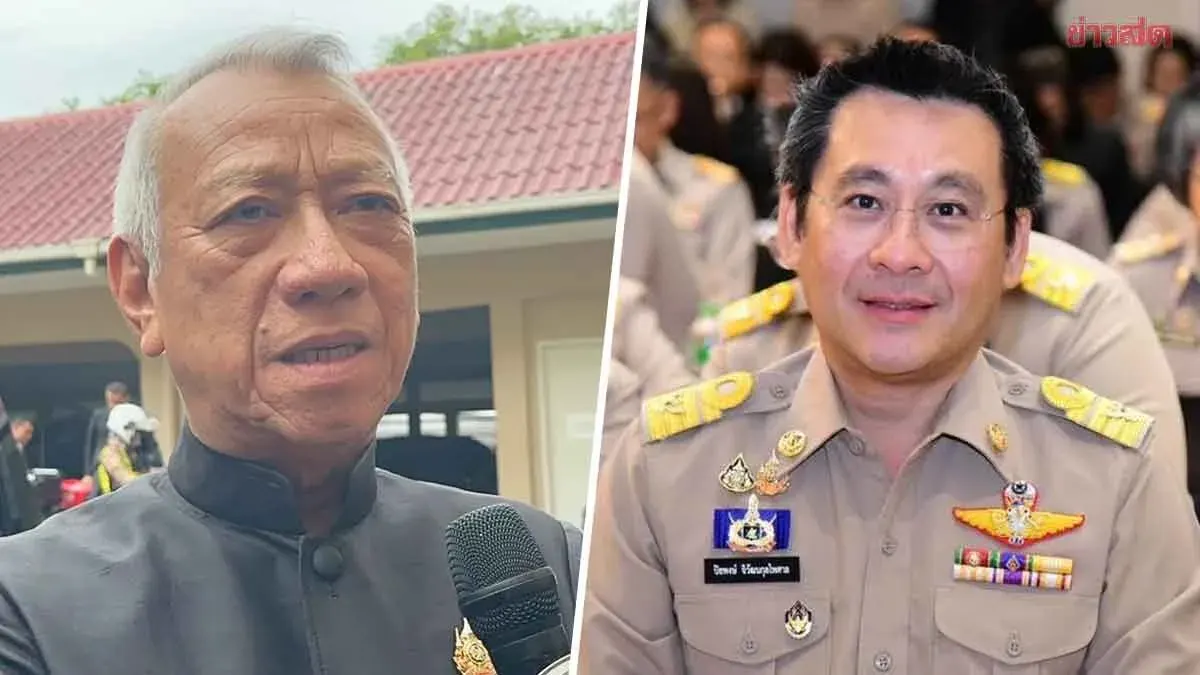
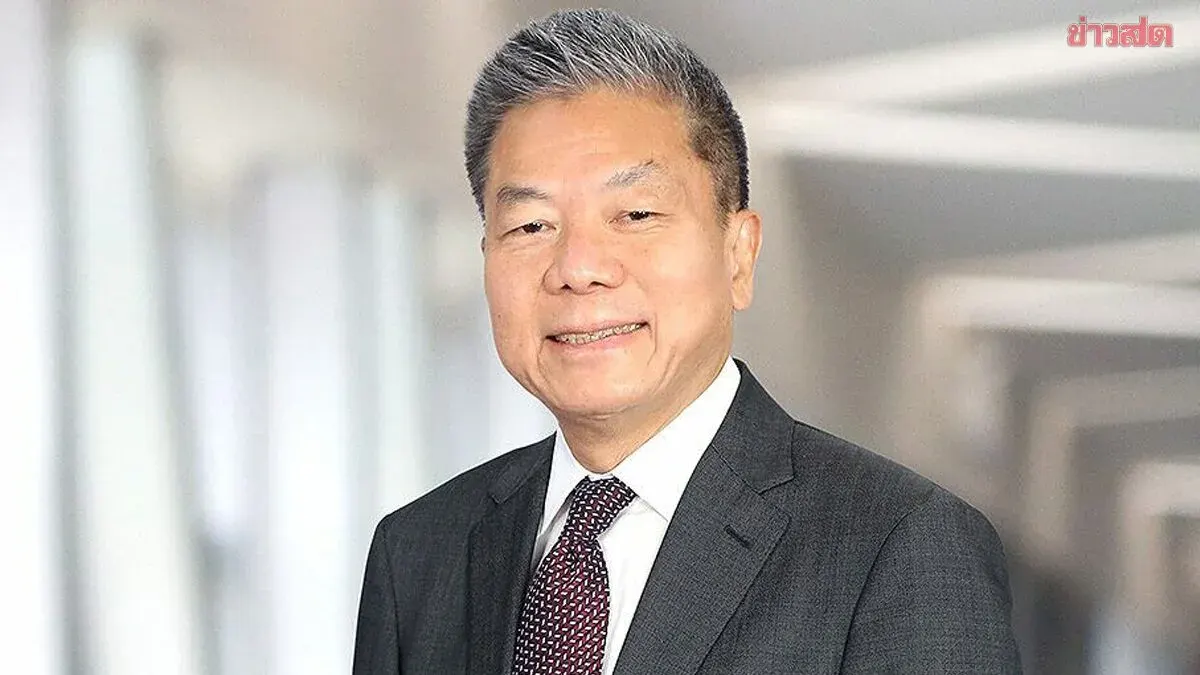
Deputy Prime Minister Pipat Ratchakitprakarn revealed progress on a proposal to convert public transport buses from combustion engines to electric vehicles using 200 billion baht from emergency borrowing authority. He stated the plan has been discussed with Finance Minister Ekniti Nitithadprasat since the recent Persian Gulf tensions began.

Under the public transport system upgrade, Thailand expects to receive approximately 2,320 electric buses by mid-2026. Following delivery, all BMTA buses will be converted to the EV system. The plan also aims to transition intercity public transport buses to electric vehicles, potentially drawing additional funding from the emergency borrowing authority if details meet budget criteria.

While final budget figures have not yet been determined, officials anticipate submitting the proposal within this month. Transport Ministry officials have confirmed that if project specifications align with the emergency borrowing framework, the proposal will be formally submitted. The broader objective is to convert all public services—particularly in Bangkok—to electric vehicle systems.

No. 01 of Read at source → Next
Tourism

Thailand Travel Guide: Plan Your Trip by Season and Region

Thailand's six regions operate on different seasonal calendars and monsoon cycles, so choosing the right area for your travel dates—whether the cultural north, beach-lined Andaman coast, or Gulf islands—is key to avoiding rain and maximizin

11 Aug The Thaiger Travel

Where to start your Thailand trip, by region and seasonLegacyMost guides treat Thailand like it has one climate and one obvious itinerary, but we both know it has neither. The country splits into six regions running on different seasonal calendars, and getting that wrong is the difference between a trip that flows and one spent waiting out rain on an island that was never going to be dry in October anyway. The short version: pick fewer regions and stay longer in each, but this leaves way too much for interpretation. The Andaman coast and the Gulf coast run on opposite monsoon cycles, so “rainy season” depends entirely on where you are standing. Everything below exists to help you match your dates, your interests and your available time to the right part of the country. The regions, and what each one actually offers

Region Summary

Northern Thailand Lanna culture, mountain scenery, historic temples and slow-travel favourites including Chiang Mai, Chiang Rai and Pai.

Northeast Thailand Explore Isaan for authentic regional food, ancient Khmer ruins, Mekong landscapes and a slower side of Thailand.

Central Thailand Bangkok’s city energy meets the historic ruins of Ayutthaya and the riverside landscapes of Kanchanaburi.

East Thailand Combine Pattaya’s nightlife and attractions with quieter island escapes around Koh Chang, Koh Mak and Koh Kood.

South Thailand: Gulf Coast Island life, diving, wellness and beaches across Koh Samui, Koh Phangan and Koh Tao, plus laid-back Hua Hin.

South Thailand: Andaman Coast Thailand’s famous tropical coastline, from Phuket and Krabi to dramatic islands, diving and quieter Khao Lak.

Northern Thailand Wat Rong Khun in Chiang Rai | Photo by Chirapriya Thanakonwirakit from Getty Images This is where Thailand’s Lanna kingdom held its own culture, language and architecture for centuries before joining Siam, and that history is still visible everywhere in Chiang Mai’s old city walls, temple design and even the local dialect.  Beyond Chiang Mai, the region covers Chiang Rai near the Golden Triangle, the slow-travel town of Pai, and the full Mae Hong Son Loop through the northern hills. It suits culture-focused travellers, trekkers and long-stay digital nomads far more than beach-first visitors, and the cooler mountain climate is a draw for anyone escaping the heat of the plains further south. A few highlights include:

Doi Suthep, the mountaintop temple overlooking Chiang Mai’s old city Certified ethical elephant sanctuaries, now the standard over riding camps Wat Rong Khun, the striking white temple in Chiang Rai The Golden Triangle, where Thailand, Laos and Myanmar meet along the Mekong Pai’s canyon, hot springs and long-running backpacker scene, reached via a famously curvy mountain road

Chiang Mai alone justifies four to five days. Add Pai or the full Mae Hong Son Loop, and you are looking at a week to ten days.  One thing worth knowing before you book: agricultural burning pushes air quality down between late February and April, which matters if you are planning outdoor sightseeing or have respiratory sensitivities. Northeast Thailand Phanom Rung | Photo by banjongseal324 from Getty Images Isaan, the northeast, sits on the Khorat Plateau bordering Laos and Cambodia, and it remains Thailand’s least commercialised region largely because it was never built around foreign tourism the way the coasts and Chiang Mai were.  What that means in practice: som tam, larb and sticky rice are on menus across the entire country, but Isaan is where the food is actually from, made the way it is meant to taste rather than adapted for a broader audience.

Phanom Rung and Phimai, sandstone Khmer temple ruins predating Angkor Wat by some estimates Isaan cuisine in its home region, built around som tam, larb and sticky rice Silk-weaving villages around Khon Kaen Nong Khai, a riverside town and a jumping-off point for crossing into Laos Pha Taem National Park in Ubon Ratchathani, home to prehistoric cliff paintings estimated at 3,000 to 4,000 years old, overlooking the Mekong and Laos beyond Sam Phan Bok, a maze of river-eroded rock potholes nicknamed Thailand’s Grand Canyon, also in Ubon Ratchathani

Pha Taem in particular is worth planning around rather than dropping in on. Public transport doesn’t reach the park, so hiring a car and driver from Khong Chiam or Ubon Ratchathani city is the standard way in. Four to five days covers the main sites. Budget seven to ten if you want to go deeper into a region built for slow travel rather than a checklist. Central Thailand Monks walking over the Hellfire Pass in Kanchanaburi | Photo from Thai National Parks Central Thailand is the country’s administrative and historical core, built around the Chao Phraya river basin that has supported Thai civilisation since the Ayutthaya kingdom ruled the region from the fourteenth century until Burmese forces destroyed the capital in 1767. Bangkok now sits at the centre of it, but Ayutthaya’s ruins and Kanchanaburi’s wartime history give the region a depth well beyond a capital city stopover. Bangkok itself commands more time than most visitors give it. The Grand Palace and Wat Pho sit on the river’s east bank, with Wat Arun facing them from across the water, and the Chao Phraya express boats are a far better way to move between them than fighting Bangkok traffic.  Chatuchak Weekend Market covers acres of stalls for anyone willing to get lost in it, while Chinatown’s Yaowarat Road comes alive after dark with some of the city’s densest street food, from grilled seafood stalls to century-old noodle shops that have barely changed their menu in decades.  The nightlife splits roughly two ways depending on what you’re after: Sukhumvit’s rooftop bars and clubs for a polished night out, or Khao San Road for backpacker energy and cheap beer. Three days is a realistic minimum to get past the highlights reel and actually feel the city.

Ayutthaya’s brick temple ruins, the former Siamese capital, an easy day trip from Bangkok, now easier still since SRT Bangkok Connex launched a direct commuter service in August 2026 The Bridge on the River Kwai and Hellfire Pass in Kanchanaburi, plus its floating riverside resorts for a slower few days

For a quieter, slower version of Central Thailand, Kanchanaburi’s riverside resorts are worth building a night or two around, ranging from off-grid bamboo raft rooms to upscale floating villas. Most of the sites and resorts here sit well outside town, and several are boat-access only, so a hire car or a driver for the day is the practical way to string them together. Three to four days covers Bangkok’s highlights with a day trip to Ayutthaya or Kanchanaburi bolted on, or longer if the river resorts pull you in for a proper slow-down. It suits everyone, from first-timers who want an easy landing to history buffs chasing wartime sites and temple ruins. East Thailand Koh Chang | Photo by tegmen from Getty Images East Thailand means Pattaya, Koh Chang and Koh Samet, and Pattaya’s biggest draw for a large share of its visitors is simply its nightlife. Pattaya built its modern reputation on Walking Street, a strip of bars, clubs and go-go venues that runs late into the night, and that nightlife scene remains the single biggest reason people come here rather than a quieter beach town further along the coast. It’s not the whole picture, though. The city has leaned hard into family attractions and water sports over the past decade, and the beach clubs along Jomtien draw a calmer, more resort-focused crowd than Walking Street does.  The Sanctuary of Truth, an all-wood temple structure that’s been under construction for decades, is one of the few truly interesting cultural stops in a city that’s mostly known for the opposite. Two to three days is enough to get a proper sense of the place, whichever side of it you’re here for.

Koh Chang, Thailand’s second-largest island, with Klong Plu waterfall and a forested, hilly interior that keeps most of the island genuinely quiet even in high season Koh Mak, a smaller and considerably calmer island near Koh Chang, popular with families for its shallow, swimmable beaches Koh Kood, further out and less developed than Koh Chang, with clearer water and fewer crowds Koh Rang and its surrounding marine park, a popular snorkelling and diving day trip from Koh Chang Koh Samet, a simpler, closer-to-Bangkok beach stop popular with weekenders

Give Koh Chang and its surrounding islands four to five days if you want to properly island-hop between Koh Mak and Koh Kood rather than just tick the box on Koh Chang itself. South Thailand: Gulf Coast Big Buddha Temple in Koh Samui | Photo from Hotels.com The South Gulf coast covers Koh Samui, Koh Phangan, Koh Tao and Hua Hin, and while it’s best known for beaches and full moon parties, each island carries more character than that reputation suggests.  Samui built its fortune on coconuts before tourism arrived, and Fisherman’s Village in Bophut still shows that older, quieter side of the island in its converted shophouses and evening walking street market. Ang Thong National Marine Park, a cluster of dramatic limestone islands off Samui’s coast, is a popular day trip and one of the region’s better-kept scenic secrets.

Samui’s Big Buddha, Fisherman’s Village in Bophut, and a growing wellness retreat and spa scene Ang Thong National Marine Park, a day-trip cluster of limestone islands with a viewpoint overlooking the whole archipelago Koh Phangan’s monthly full moon parties on Haad Rin, alongside a genuinely established yoga, retreat and wellness scene around Srithanu on the island’s quieter side Koh Tao, one of Southeast Asia’s cheapest places to get a diving certification, with a laid-back backpacker pace once the dive boats head out for the day Hua Hin’s calm, family-friendly beaches and royal history, home to Thailand’s royal family’s long-standing summer palace, plus a well-known night market for evening food

Give the island triad five to seven days if you are combining more than one, and add two to three for Hua Hin if it’s part of the same trip rather than a separate weekend from Bangkok. South Thailand: Andaman Coast Railay Beach in Krabi | Photo by Preto_perola from Getty Images Pro The South Andaman coast takes in Phuket, Krabi, Koh Phi Phi and Khao Lak, Thailand’s postcard coastline of limestone karsts and turquoise water, and Phuket in particular carries far more depth than its resorts and nightlife strip suggest.  The island’s Old Town carries a distinct Peranakan, or Baba-Nyonya, culture, descended from Chinese immigrants who settled here and intermarried with locals in the nineteenth century, and it shows up in the architecture, the food and the traditional dress still worn at local festivals.  The island’s Vegetarian Festival, held annually and drawing crowds for its striking (and genuinely intense) rituals, sits alongside the gentler Baba Wedding Festival each February, which showcases Peranakan wedding customs, dress and food over three days. Phuket has also become one of the world’s main destinations for Muay Thai training. Soi Ta-Iad, in the island’s south near Chalong, has grown into an entire street of gyms and camps since Tiger Muay Thai opened there in 2003, and it now draws everyone from casual holidaymakers dropping into a single class to professional fighters running full training camps.

Phuket old town’s Sino-Portuguese shophouses and Peranakan heritage, a quieter contrast to the Patong nightlife strip Muay Thai training camps and gyms concentrated around Soi Ta-Iad, open to complete beginners and serious fighters alike Railay Beach in Krabi, one of the region’s best-known rock climbing spots, reachable only by boat Khao Lak, quieter than Phuket or Krabi and the main gateway for Similan Islands trips Koh Phi Phi, best visited as a day trip from Krabi or Phuket given limited accommodation and the Maya Bay closure

Base yourself in one sub-region, Phuket or Krabi, for five to seven days and use it as a hub for island excursions. Two closures worth building around: the Similan and Surin islands shut completely from May 15 to October 15 each year for monsoon safety and ecosystem recovery, and Maya Bay closes annually from August 1 to September 30. Neither is optional, and turning up during a closure window is a wasted day. Why “rainy season” depends on which coast you mean This is the part worth getting right before you book flights. Thailand’s southern peninsula is split down the middle by a mountain range, and the two coasts sit on opposite sides of the monsoon. Photo by Jordan Coleman from Pexels The Andaman coast (Phuket, Krabi, Phi Phi, Khao Lak) takes the direct hit from the Southwest Monsoon. Its wet season runs roughly mid-May to mid-October, with the heaviest rain, roughest seas and most ferry cancellations landing in September and October. Dry season, and the best diving and island-hopping conditions, runs November through April. The Gulf coast (Koh Samui, Koh Phangan, Koh Tao) is sheltered from that same monsoon by the mountain range, so it gets a second, quieter dry window through July and August while the Andaman side is getting drenched. Its real wet season arrives later, from around late September through December, peaking in November under the Northeast Monsoon. North and Central Thailand run a simpler three-season pattern: cool and dry from November to February (the most comfortable stretch nationwide), hot from March to May, and a green, intermittently rainy season from June to October that tends to arrive as short, heavy afternoon downpours rather than all-day rain. One caveat worth flagging is that 2026 has brought some El Niño-driven variability, with reports of a delayed or drier stretch through parts of the year. The seasonal windows above are the reliable baseline, but build a buffer day or two into any itinerary that lands near a seasonal boundary, particularly early May or late October. You can keep track of the weather in Thailand through various means, including visiting the website of the Thai Meteorological Department. Choosing where to start, by traveller type Photo by Kanchanachitkhamma from Canva First-time visitors should keep it simple: Bangkok plus one other region, well-connected hubs only. Chiang Mai or Phuket both work. Trying to layer in a third region on a first trip is how people end up spending more time in transit than at the beach. Families do best in destinations with easy ground transport and reliable medical infrastructure: Hua Hin, Koh Samet, Chiang Mai, or the calmer resort stretches of Phuket like Bang Tao. Skip open-sea speedboat transfers during the May and October monsoon transition months, when seas get genuinely rough rather than just choppy. Backpackers and budget travellers get the most value from overnight sleeper trains (they double as transport and accommodation) and the mainland fly-then-ferry route into the Gulf islands via Surat Thani, which cuts costs significantly over flying directly into Koh Samui. Digital nomads now have a proper legal route: the Destination Thailand Visa grants 180 days per entry over a five-year validity, aimed at remote workers with proof of employment outside Thailand. It is a considerably safer option than the old habit of stringing together repeated tourist entries, which immigration officials now scrutinise closely. Chiang Mai’s Nimman district, Bangkok’s Sukhumvit and Sathorn areas, and Koh Phangan’s Srithanu are the established hubs with the coworking spaces and fibre internet to match. Luxury travellers chartering private boats around the Andaman coast are bound by the same national park rules as everyone else, including the seasonal closures at Similan and Maya Bay. Worth checking before a charter is booked rather than after. Building an itinerary around how much time you actually have Treat what follows as a starting shape rather than a fixed plan. These are workable defaults, not the only correct way to see Thailand, and it is worth staying flexible enough to cut a stop that does not interest you in favour of more time somewhere that does. One week. Pick one primary hub or a tight two-city pairing. Two options work well here:

Bangkok for three days, including a day trip to Ayutthaya, then a flight to Chiang Mai for four days covering the old city, temples and a day trip to Chiang Rai Bangkok for two days, then straight to Phuket or Krabi for five days of beach and island time

Attempting Bangkok, the north and the southern islands in seven days means three separate travel days out of seven, which leaves less than half the trip for anything except transit. Two weeks. This is enough for a genuine three-region circuit. A workable structure:

Four days in Central Thailand, covering Bangkok and a day trip to Ayutthaya or Kanchanaburi Four days in the north, based in Chiang Mai with a side trip to Chiang Rai Five to six days on one coast, Andaman between November and April, Gulf between May and August, depending on which is in season when you travel

Trying to fit both coasts into two weeks usually means shortchanging all three regions. Three weeks or more. Now you can add Isaan or the east coast into the mix, and potentially touch both southern coastlines if the season allows. A rough shape:

Four days in Central Thailand, including Kanchanaburi Six to seven days on the northern circuit, covering Chiang Mai, Pai and Chiang Rai Four days either overland through Isaan or on the east coast around Koh Chang Six to seven days split between one or both southern coasts, depending on the season

Even at three-plus weeks, resist rushing through Isaan just to say you covered it, and build in actual rest days rather than treating every day as a transit or sightseeing day. Whatever length you land on, let the itinerary bend around what you actually want more of once you are there. Getting between regions Photo by bottlein from pixabay Domestic flights are the fastest option for anything beyond a few hours by road:

Bangkok to Chiang Mai: around one hour fifteen minutes, 1,000 to 2,500 baht one way Bangkok to Phuket: around one hour thirty, 1,200 to 3,000 baht Bangkok to Koh Samui: notably pricier, often starting from 3,000 baht and climbing well beyond, since the airport is privately operated

Many budget travellers fly into Surat Thani or Nakhon Si Thammarat instead and connect by ferry, adding a few hours but cutting the cost substantially. Trains and buses both run on a class system, and the class you book affects both comfort and price more than the route itself. Overnight sleeper trains cover the Bangkok to Chiang Mai route in around twelve to thirteen hours, with second-class air-conditioned sleeper berths running roughly 800 to 1,100 baht and first-class berths 1,400 to 1,700 baht.  Third-class carriages exist too and are considerably cheaper, but they have no air conditioning and no sleeper berths, so they suit short daytime hops like Bangkok to Ayutthaya or Bangkok to Kanchanaburi far better than an overnight long-haul route.  Treat third class as the authentic, cheap option for a short trip, not a real substitute for a sleeper berth on anything longer. Buses follow a similar split. VIP and first-class coaches have air conditioning, reclining seats and more legroom, and are the sensible choice for any overnight or long-distance route:

Bangkok to Chiang Mai or Bangkok to Phuket (VIP/first class): 600 to 1,000 baht, ten to twelve hours, usually overnight Chiang Mai to Pai by local minivan: 150 to 250 baht, around three hours

Ordinary or local buses run the same routes for less, but with fewer amenities and more stops, and are best saved for shorter, daytime journeys where the extra hours and lack of air conditioning matter less. Ferries handle the final leg to any island:

Surat Thani to Koh Samui: ninety minutes to two and a half hours, 250 to 550 baht Phuket to Koh Phi Phi: one to two hours, 450 to 1,200 baht, depending on the boat

The pattern to remember: transferring between distant regions, north to south especially, tends to eat six to eight hours once you count check-out, airport transit and connections. Factor that into any itinerary rather than treating flight time alone as the true cost. Before you go: entry rules worth knowing The TDAC website where you can sign up or update your arrival card Thailand’s visa exemption rules changed in 2026. Following a Cabinet decree in May, most major passport holders, including the US, UK, EU countries, Australia and Canada, now get a 30-day visa-exempt stay rather than the 60 days that applied previously. A single 30-day extension is available in-country.  The Thailand Digital Arrival Card is mandatory for all foreign nationals and must be submitted online within 72 hours before you land, free of charge through the official government portal, not a third-party site charging a fee. One more thing worth a mention here rather than a full detour: cannabis is no longer the free-for-all it briefly was.  Since mid-2025, cannabis flower has been reclassified as a controlled herb requiring a valid Thai medical prescription, and carrying it across an international border, even into or out of the country on a connecting flight, carries serious penalties under customs law.  Frequently asked questions What is the best time of year to visit Thailand? November to February is the most comfortable window nationwide, cool and dry in the north and centre, dry season on the Andaman coast, and still good on the Gulf islands before their late-year rains set in. Do the Andaman and Gulf coasts really have different weather? Yes. The Andaman coast's wet season runs roughly mid-May to mid-October, while the Gulf coast's wet season falls later, from around late September through December. They are effectively on opposite calendars. How many days do I need in Thailand? One week suits a single hub or a tight two-city trip. Two weeks allows three regions. Three weeks or more is what it takes to properly cover the north, a coast and somewhere less touristed like Isaan. Do I need a visa to visit Thailand in 2026? Most passport holders from major countries, including the US, UK, EU nations, Australia and Canada, can enter visa-free for 30 days following the 2026 rule change, provided they complete the mandatory Thailand Digital Arrival Card before arrival. Is Thailand safe for first-time visitors? Broadly yes. The main practical risks are road traffic and common tourist scams rather than serious crime, and sticking to well-connected regions on a first trip keeps logistics simple. Where to actually start If there is one piece of advice worth taking from all of this, it is to resist the urge to see everything. Thailand rewards travellers who pick a region, or two at most, and give it proper time, rather than those who chase a full-country tick list on a two-week trip. Start with the region that matches what you actually want from the trip, check its season against your dates, and build outward from there. Remember, these are our suggestions. The perfect trip itinerary is up to you, and you alone. Wherever you choose to go, we hope that our guide helped you! The story Where to start your Thailand trip, by region and season as seen on Thaiger News.

No. 02 of Read at source → Next
National

PM Anutin: Royal Approval Given for NBTC Chair Removal

PM Anutin has secured royal approval to remove NBTC Chairman Dr. Sorot Boonbaichiep, citing full compliance with legal procedures in the petition submitted on August 11.

PM Anutin: Royal Approval Given for NBTC Chair Removal
11 Aug Khaosod

Prime Minister Anutin Charnvirakul revealed at 12:45 p.m. on August 11, 2025, at Government House that he has signed and submitted a royal petition requesting the removal of Clinical Professor Dr. Sorot Boonbaichiep from his positions as chairman and member of the NBTC. The prime minister and Interior Minister confirmed that all actions have been conducted in full compliance with legal procedures and regulations.

No. 03 of Read at source → Next
National

Honda Launches Code Save Campaign With Parts Discounts

Honda Motorcycle is offering genuine parts discounts through its "Code Save" campaign via the My Honda Moto app, with savings up to 200 baht on batteries, tires, and filters at authorized service centers nationwide.

Honda Launches Code Save Campaign With Parts Discounts
11 Aug Khaosod

Honda Motorcycle is offering genuine parts discounts to customers who bring their motorcycles in for service through the "Code Save" campaign via the My Honda Moto app. Customers can claim coupons through the My Honda Moto application and present them to staff before service to receive discounts on genuine parts at Honda Wing Center and Honda Wing Shop branches nationwide.

Discount offers include: - Battery replacement: 150 baht discount (August 15 – September 30, 2026) - Tire replacement: 200 baht discount (August 15 – October 15, 2026) - Drive belt replacement: 50 baht discount (August 15 – October 15, 2026) - Air filter replacement: 50 baht discount (August 15 – October 15, 2026)

Coupons are valid only for customers who bring Honda motorcycles to authorized service centers and cannot be used for over-the-counter parts purchases without a service appointment. Interested customers can download the My Honda Moto application to claim discounts.

Honda Motorcycle continues to promote safe riding by encouraging users to regularly check and maintain their motorcycles to keep them in working condition. Customers can claim benefits and bring their motorcycles for service at Honda Wing Center and Honda Wing Shop branches throughout the country.

No. 04 of Read at source → Next
National

Thailand Opens 384 Hotel Jobs in Taiwan with Up to 30,000 Baht Monthly

Thailand's Department of Employment is recruiting 384 workers for hotel jobs in Taiwan offering up to 30,000 baht monthly salary, requiring a bachelor's degree in hospitality or equivalent work experience with language proficiency.

Thailand Opens 384 Hotel Jobs in Taiwan with Up to 30,000 Baht Monthly
11 Aug Khaosod

The Thai Department of Employment (DoE) is opening registrations for Thai workers seeking employment with hotel and accommodation service providers in Taiwan, according to DoE director Somchai Morkatsriwan. The initiative aims to provide Thai workers with legitimate overseas employment opportunities, stable income, and professional skill development in international hospitality standards.

Taiwan's hotel and accommodation businesses currently have 384 open positions covering guest reception, room booking coordination, housekeeping, and cleaning roles. Selected candidates will receive a maximum monthly salary of 32,000 Taiwan dollars (roughly 30,000 baht), with wages and benefits determined by employers and Taiwan labor law.

Applicants must meet one of these qualifications: a bachelor's degree in tourism, hospitality, or recreation with Chinese or English language skills at A2 level, or A2-level language proficiency plus at least six months of hotel work experience in Taiwan within the past three years with employer certification. For Chinese language tests, applicants must provide TOCFL A2 results valid for up to three years from the start date.

Somchai emphasized this program offers Thai workers legal protections, safety, and valuable international experience. Interested candidates can register through the Thai Overseas Employment Management System at toea.doe.go.th by selecting "Hotel and Accommodation Services" and "Taiwan," or call the DoE hotline at 1506 ext. 2 for more information.

No. 05 of Read at source → Next
National

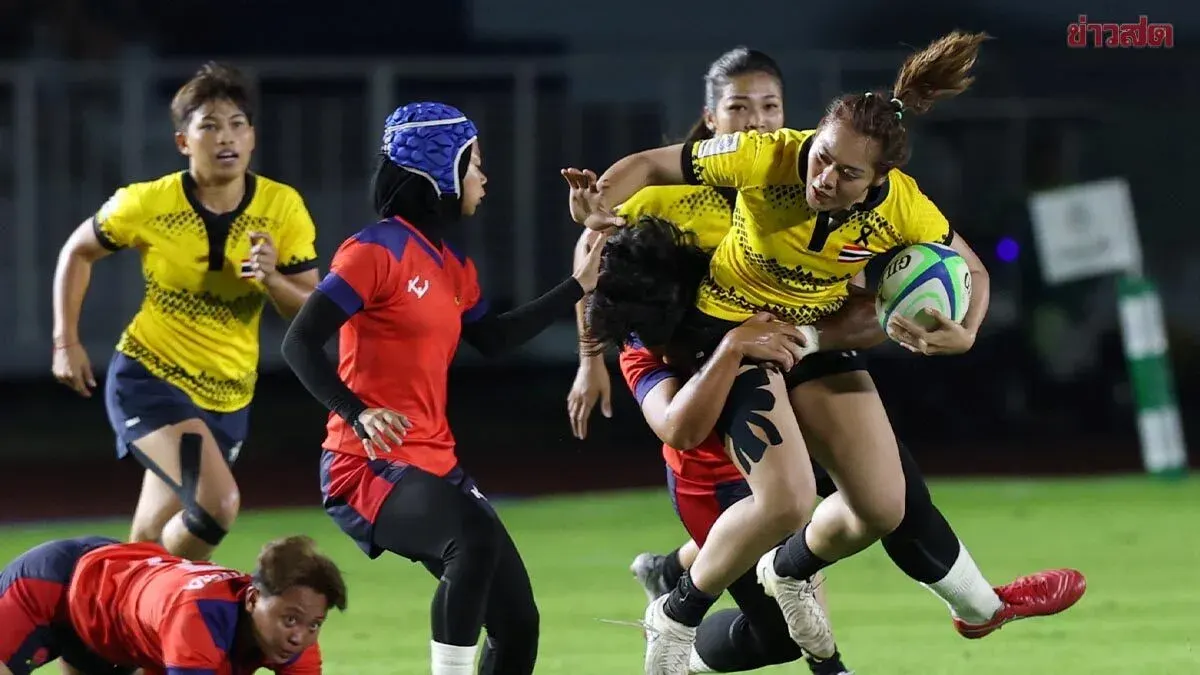
Thai Rugby Tests Team Before Asian Games in Japan

Thai rugby will compete in the Asia Series in China in late August before the 20th Asian Games in Japan, where the women's team is confident of winning at least a bronze medal.

Thai Rugby Tests Team Before Asian Games in Japan
11 Aug Khaosod

Thai rugby will have a good opportunity to test its teams in the 2026 Asia Series first leg from August 26-31 in China, ahead of competing in the 20th Asian Games from September 19 to October 4 in Japan. The Thai Rugby Football Association is confident the women's team will secure a medal. Both the men's and women's sevens teams competing in the 20th Asian Games in Nagoya, Aichi Prefecture, Japan, are continuing intensive training with support from the Thailand Sports Authority and the National Sports Development Fund.

Before entering the 20th Asian Games, the Thai rugby team will test itself in the 2026 Asia Series first leg from August 26-31 in China, a tournament featuring leading Asian nations that will also compete at the Asian Games.

Police Colonel Gulthorn Prajuab, president of the Thai Rugby Football Association, revealed that the association has set clear targets to win medals at these Asian Games, particularly the women's team, which is confident of bringing back at least one bronze medal.

"At these Asian Games, the Thai rugby team will definitely have at least one bronze medal from the women's team. The teams we must beat are Hong Kong and Kazakhstan. For the men's team, we have refreshed more than half the squad from the recent SEA Games champions, and we have called up two Thai-origin rugby players from abroad to strengthen the team, with a goal of making the top six," Gulthorn said.

The association president added thanks to the Thailand Sports Authority for consistently supporting the rugby association and monitoring its performance at international venues.

Rugby at the 20th Asian Games will feature the sevens format, competing for two gold medals. The women's tournament has eight teams divided into two groups in the first round. Thailand is in Group A with host Japan, Kazakhstan, and Singapore, while Group B includes China, Hong Kong, India, and Malaysia.

The men's tournament has twelve teams divided into three groups in the first round. Thailand is in Group B with host Japan, South Korea, and Kazakhstan; Group A includes China, Hong Kong, Malaysia, and Uzbekistan; and Group C includes Sri Lanka, United Arab Emirates, Singapore, and the Philippines.

No. 06 of Read at source → Next
National

Thailand to Learn UNCLOS Conciliation Panel Chair on August 14

Thailand will learn the name of a conciliation panel chairman for a maritime dispute with Cambodia on August 14, with the first committee meeting scheduled for September in either The Hague, Paris, Singapore, or Vietnam.

Thailand to Learn UNCLOS Conciliation Panel Chair on August 14
11 Aug Khaosod

At a government house briefing on August 11, Deputy Prime Minister and Foreign Minister Sihsaket Poungketkeaw provided an update on the selection of a chairman for the compulsory conciliation panel under the UN Convention on the Law of the Sea (UNCLOS). One chairman will be selected on August 14 from a list of approximately ten qualified candidates. Thailand and Cambodia each reviewed the candidates and submitted their preferred names back to the UN; the final selection will be made from those jointly approved nominations.

The first conciliation committee meeting is scheduled for September, with venue options including offices of maritime law in multiple zones: The Hague in the Netherlands and Paris in France for the European zone, and Singapore and Vietnam for Asia. The UN provided candidates from European, Asian, and Latin American regions selected based on qualifications.

Regarding Thailand's response to the human rights report by Tom Andrews on the Thai-Cambodian border, Sihsaket said Thailand has submitted rebuttals to the UN Office of the High Commissioner for Human Rights (OHCHR) and the UN Human Rights Council (UNHRC). The report will next be considered by UNHRC, where Thailand will use the forum to clarify its position and address concerns. When asked whether the report would disadvantage Thailand internationally, Sihsaket said no, noting that such reports generate diverse opinions among countries, and he is confident many nations will recognize that Thailand's conduct falls within appropriate bounds.

No. 07 of Read at source → Next
Weather

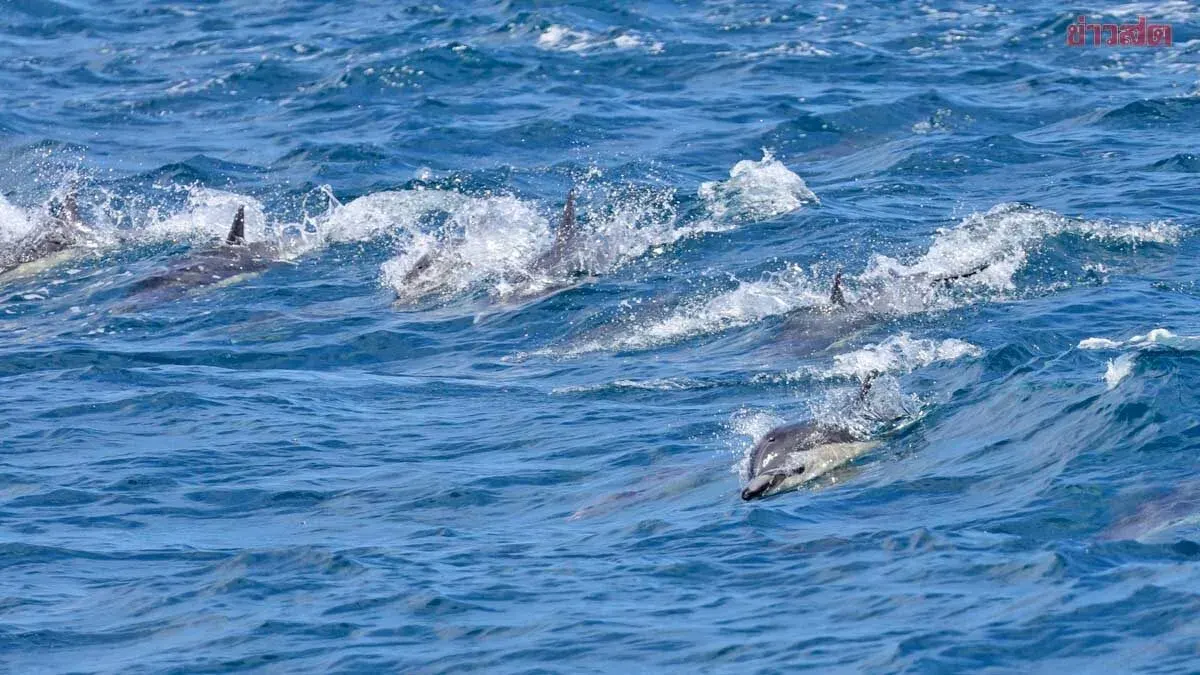
Global Ocean Temperatures Hit Record High in July

Global ocean temperatures reached a record high in July 2026, driven partly by El Niño conditions in the Pacific, with sea surface temperatures hitting 20.96°C and triggering devastating marine heat waves across Europe and threatening coast

Global Ocean Temperatures Hit Record High in July
11 Aug Khaosod

The Copernicus Climate Change Service reported on August 11 that global oceans reached record surface temperatures in July 2026, partly driven by El Niño conditions in the Pacific. Between 60°N and 60°S latitude, average sea surface temperatures hit 20.96°C, exceeding the previous high of 20.89°C recorded in 2023. July also ranks as the second-hottest July on record globally, running 1.47°C above pre-industrial averages.

Europe experienced historic ocean warming along Atlantic coastlines and the western Mediterranean, triggering intense and widespread marine heat waves. Tropical Pacific waters remain exceptionally warm during the ongoing El Niño and are expected to intensify over the coming months. Warming oceans drive sea level rise—thermal expansion alone accounts for roughly one-third of observed increases—threatening low-lying coasts and island nations.

Warmer seas intensify and prolong marine heat waves, triggering widespread coral bleaching and destroying seaweed beds and fisheries. The warming also increases heat and moisture evaporation into the atmosphere, fueling more severe tropical storms with heavier rainfall.

No. 08 of Read at source → Next
National

MMA Leader Mourns Nonthaburi Official Shot Dead

The Thai Mixed Martial Arts Association president mourned Nonthaburi official Pol. Col. Thongchai Yenpraserit, shot dead by a former MP, praising his crucial support for Thai MMA and combat sports development.

MMA Leader Mourns Nonthaburi Official Shot Dead
11 Aug Khaosod

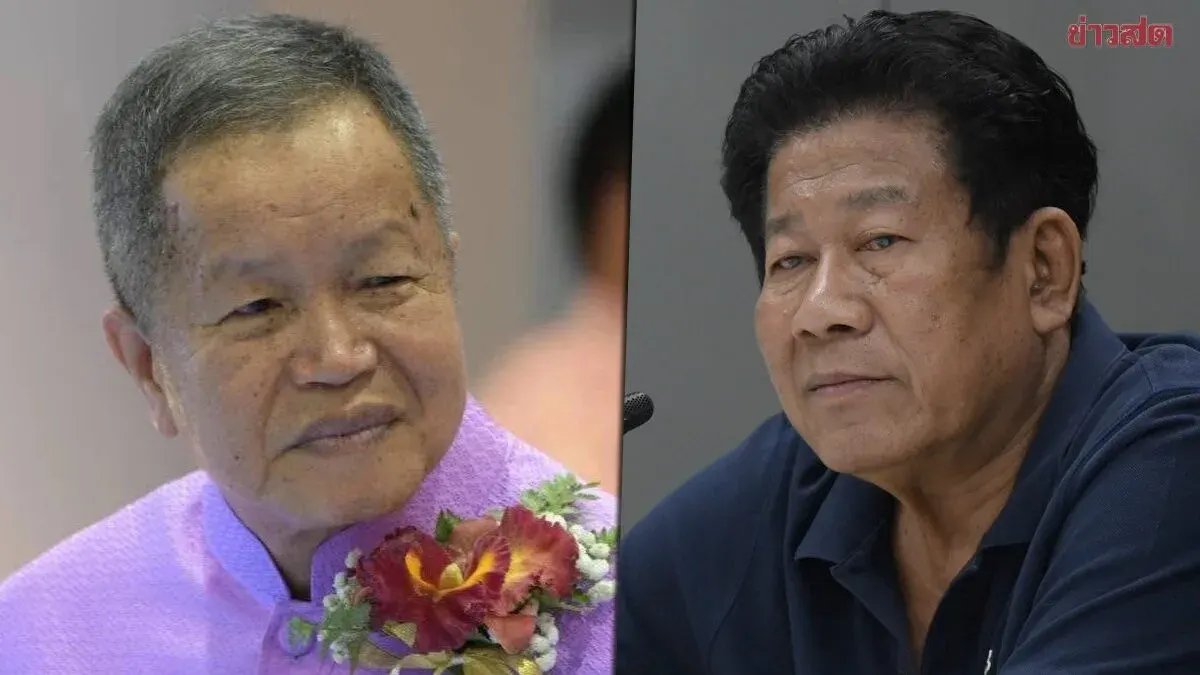
Sirichet Poonthipayananth, president of the Thai Mixed Martial Arts Association (TAMMA), has posted a tribute to Pol. Col. Thongchai Yenpraserit, governor of Nonthaburi Provincial Administrative Organization, who was fatally shot by Chalot Liewpraing, a former Nonthaburi MP, and later died at Phra Nang Klao Hospital. Sirichet expressed deep sorrow over Thongchai's passing, describing him as an essential figure for Thai MMA and combat sports. Throughout TAMMA's journey, Sirichet said, there were many critical moments when Thongchai's support, trust, and assistance proved indispensable—particularly when Thailand hosted the Southeast Asian Games and MMA was among the sports requiring coordinated promotion and successful competition organization. Without Thongchai's leadership, Sirichet noted, those difficult and stressful efforts would not have succeeded. Thongchai was not merely a sponsor but a knowledgeable leader who understood the fighting sports industry, respected his colleagues, and recognized the importance of building a strong foundation for Thai MMA. Sirichet expressed particular sadness that just days before, they had discussed youth development and the future of Thai fighting sports, not realizing that conversation would be one of their last. He pledged that TAMMA will remember Thongchai as a pivotal figure in the history of Thai MMA, and offered condolences to his family and all who respected him, hoping that the legacy he created throughout his life will benefit his spirit in the afterlife. Sirichet concluded by noting that although some people leave the sport, the foundations they build remain within it forever.

No. 09 of Read at source → Next
National

Transport Minister Denies Quota in Deputy Secretary Appointment

Transport Minister Phipat Ratchakitprakarn defended the appointment of the highways department chief as permanent secretary, insisting the decision was merit-based rather than a political quota and that ministry projects will continue witho

Transport Minister Denies Quota in Deputy Secretary Appointment
11 Aug Khaosod

On August 11, 2025, at Government House, Deputy Prime Minister Phipat Ratchakitprakarn and Minister of Transport addressed the appointment of Piyapong Jiwatkulpaisal, director-general of the Department of Highways, to the position of permanent secretary of the Transport Ministry. Phipat stated that ministry projects will continue uninterrupted since Piyapong already holds his current position and can smoothly transition into the new role.

Phipat emphasized that the appointment was based on merit and a recommendation from the current permanent secretary, Chayathorn Phromsor, not political quotas. He noted that Piyapong has advanced through the ranks on his own abilities and performed well under previous transport ministers. When asked about the vacant director-general position, Phipat said the ministry will conduct a competitive selection process with public announcement and examination, expecting 14 to 18 applicants screened down to three finalists.

Phipat highlighted Piyapong's suitability for the permanent secretary role, describing him as knowledgeable and experienced. He explained that since the Department of Highways manages the ministry's largest construction budget, appointing someone from that background provides a comprehensive view of all transport operations—railways, air, and maritime—which require integrated management. Phipat added that the ministry is already accelerating all projects, with ongoing development supported by committed budgets and annual allocations.

No. 10 of Read at source → Next
Police

Dead Officer's Friend Reveals 11 Million Baht Debt Sparked Fatal Shooting

A close friend revealed that an 11 million baht debt dispute over past campaign expenses sparked the fatal shooting of Nonthaburi's PAO chairman by former MP Chalerm Rewyrang at the organization's office.

Dead Officer's Friend Reveals 11 Million Baht Debt Sparked Fatal Shooting
11 Aug Khaosod

A close friend of Pol. Col. Thongchai Yenpresoet, Nonthaburi's Provincial Administrative Organization chairman who was fatally shot, has opened up about the 11 million baht debt dispute that allegedly triggered the attack by former Nonthaburi MP Chalerm Rewyrang at the organization's office.

On August 11, 2026, friends gathered at the Police Hospital's Institute of Forensic Medicine to pay respects. Among them was Chaiyawat Yamnark, a provincial administrative councilor from Bang Bua Thong, who revealed details about the disputed funds. He suggested the debt likely originated from campaign expenses during a former legislative election when multiple candidates, including Norng Chantandit, were running. The 11 million baht apparently came from friends pooling resources to help with campaign costs, rather than a direct loan.

When asked if the money had previously been demanded, Chaiyawat stated he had never witnessed such requests until about a month before the incident, when Chalerm approached him to mediate. Chaiyawat declined, viewing it as a private matter between the two men and lacking details about the dispute. He recommended both parties talk things through calmly as acquaintances. Chaiyawat insisted he never saw serious conflict between them or any indication that violence would occur, and noted the money issue had never been aggressively pursued before.

No. 11 of Read at source → Next
Loading more…
Endless reading Scroll to read. When you reach the bottom, keep scrolling. A bar fills, and the next story slides in when it's full. ↑ ↓ or Space Or use the arrows at the bottom of the screen.