Thailand Locks 200 Billion Baht for Energy Transition
Thailand's government will allocate 200 billion baht from emergency funds toward energy transition projects, including rooftop solar installations and electric vehicle adoption, while keeping tourism support spending modest.
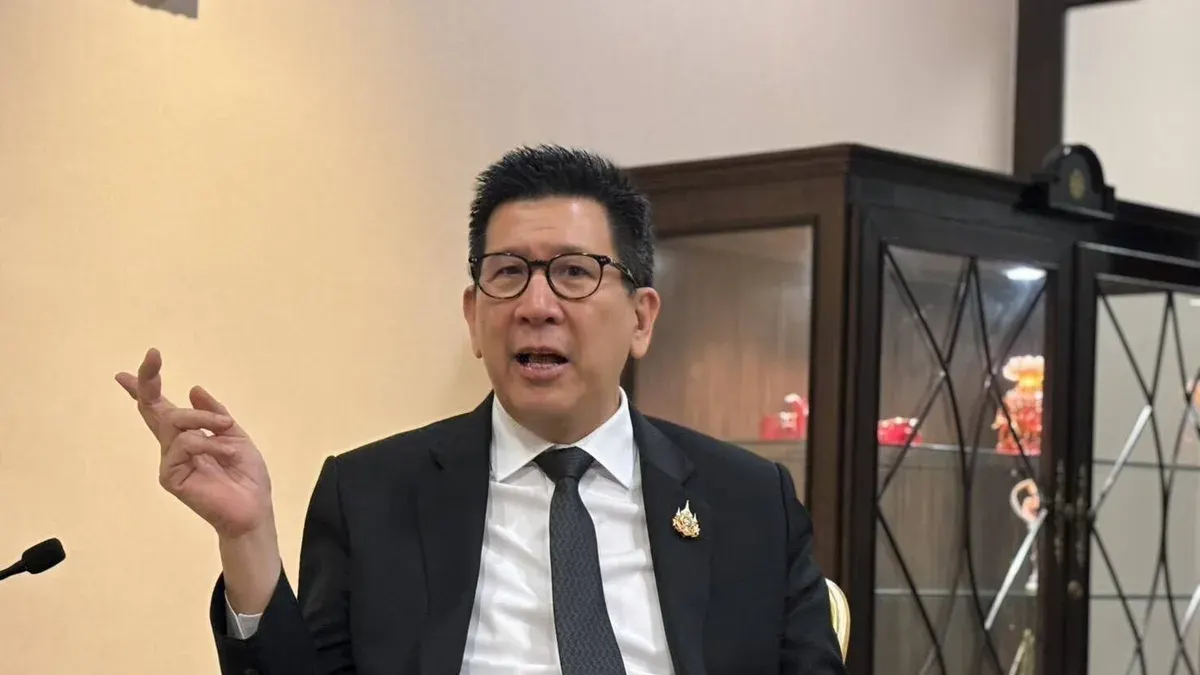
Deputy Prime Minister and Finance Minister Ekniti Nitithanpraphas has outlined the government's allocation of the remaining 200 billion baht from a 400 billion baht emergency decree loan, stating that numerous project proposals have been submitted, including the Thai Travel Thai Plus program and energy transition initiatives. The government will prioritize energy transition projects with the remaining 200 billion baht, while approximately 40 billion baht remains from the first 200 billion baht tranche. Ekniti stressed the need to assess the situation carefully and ensure funds are used precisely to achieve their intended purposes, given budget constraints.
Regarding the Tourism and Sports Ministry's proposed allocation of 1,750-2,000 million baht for Thai Travel Thai Plus, Ekniti indicated this represents a modest portion of available funds and must be used to support small businesses as intended. While acknowledging that existing funds could legally be redirected to Thai Travel Thai Plus Phase 2, he expressed a preference to reserve the remaining 200 billion baht for energy transition purposes.
Ekniti outlined preliminary plans to allocate 50,000-60,000 billion baht for rooftop solar projects, partnering with the Government Savings Bank and Government Housing Bank to provide financing support. The government is also developing supporting systems including electricity buyback mechanisms, smart meter installation, and transmission line investments to ensure a stable energy transition. Additionally, plans are underway to transition public transportation to electric vehicles across seven groups, though budget details remain pending.
Meanwhile, Grab Holdings' executives thanked the government for Thai Travel Thai Plus participation, reporting merchant sales increased by over 68 percent, demonstrating the program's effectiveness in boosting small business revenue. Following the program's conclusion in September, the government will determine whether to proceed immediately with Phase 2 pending comprehensive evaluation.