Thailand Trains Medical Cannabis Entrepreneurs to Meet Global Standards
Thailand certified 46 medical cannabis entrepreneurs through an intensive training program designed to meet international standards and strengthen the country's emerging legal cannabis industry.
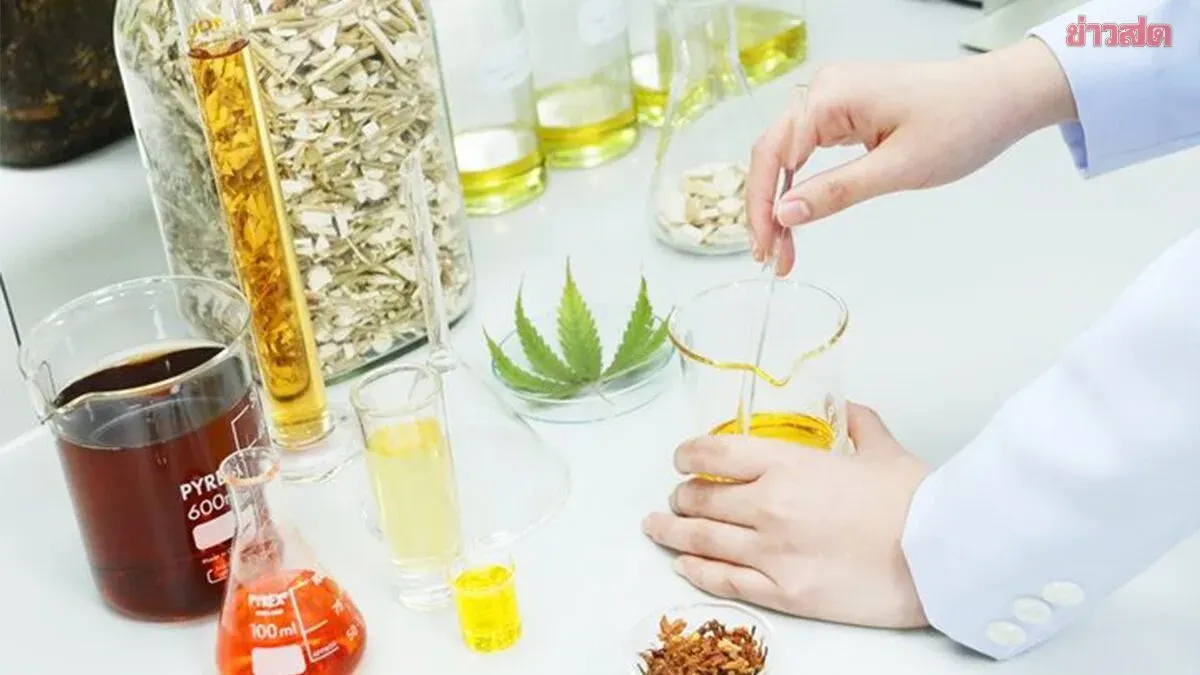
The Department of Thai Traditional and Alternative Medicine is accelerating training for a new generation of medical cannabis entrepreneurs, raising business standards to international levels and supporting Thailand's sustainable health economy. On August 10, 2026, at Grand Richmond Stylish Convention Hotel in Nonthaburi, Dr. Tewanj Thaneerattana, Deputy Director-General of the Department of Thai Traditional and Alternative Medicine under the Ministry of Public Health, chaired a workshop on developing and building networks of medical cannabis entrepreneurs and presented certificates to 46 entrepreneurs who completed the Panya Phattana curriculum for medical cannabis entrepreneur development (Batch 1).
Dr. Tewanj emphasized that developing entrepreneurs with knowledge, standards, and strong cooperation networks is central to elevating Thailand's medical cannabis industry for quality and sustainable growth. The event provided a platform for experience sharing, product development opportunities, market expansion, and business network building to enhance competitiveness and create economic value within the legal framework.
The Panya Phattana curriculum for medical cannabis entrepreneur development (Batch 1) ran from April 24 to July 17, 2026, comprising 10 sessions totaling 72 hours covering four key dimensions: strategy and management, business fundamentals, investment, finance, marketing, and cannabis business management; product standards and developing medical cannabis products to international standards; negotiation and business growth strategies including expansion channels and partnership building; and practical training and study visits with expert exchanges and site visits to internationally certified facilities to enable participants to apply knowledge directly.
Dr. Peerchaya Kugasemkit, Director of the Medical Cannabis Division, noted that workshop activities included special lectures on medical cannabis use and health economy opportunities, and group discussions organized by supply chain structure (upstream, midstream, downstream, and support sectors) including cultivation plots, extraction factories, herbal product manufacturers, and flower dispensaries. The discussions aimed to facilitate business negotiations and build networks among entrepreneurs. The department expects trained entrepreneurs to leverage their knowledge and networks to advance medical cannabis innovations and drive the industry toward quality and safety, contributing to sustainable growth of Thailand's health economy.