Energy Conservation Fund Drives Quality of Life for Thais
Thailand's Energy Conservation Fund supports public welfare through subsidized solar panels and efficiency upgrades in hospitals, schools, and farms nationwide, though the government faces questions about why citizens still contribute to th
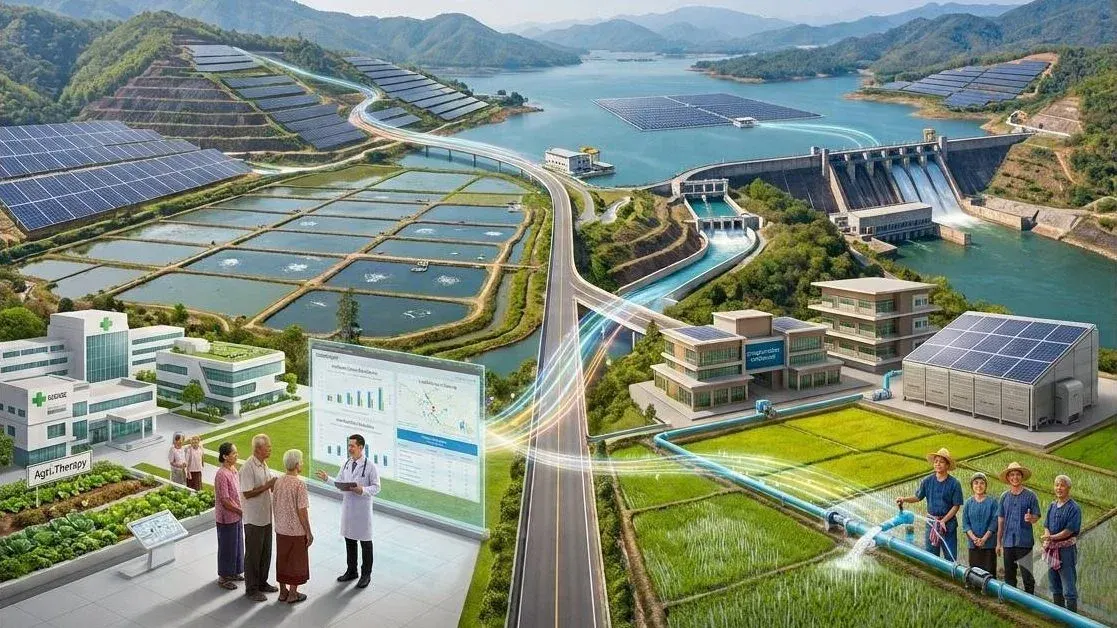
The Energy Conservation Fund serves as a crucial mechanism supporting public welfare. Since the latest energy crisis, triggered by Middle East conflicts and the closure of the Hormuz Strait shipping lane, oil prices have surged, directly affecting the cost of living. This has prompted scrutiny of Thailand's domestic oil pricing structure and questions about why the government relies on fuel fund subsidies to manage price pressures, creating long-term debt. A parliamentary budget committee question has gained traction: why citizens must still contribute 5 satang per liter to the energy conservation fund. This reflects widespread public sentiment and represents a major issue the Energy Ministry must address.
Understanding the Oil Pricing Structure: The current collection rate of 5 satang (0.05 baht) per liter is significantly lower than historical rates, which ranged from 7 to 25 satang per liter. The reduction was designed to ease public burden during volatile global oil markets. The accumulated fund balance of over ten million baht may appear idle, but within the government budget system, these are "committed budgets"—funds already approved for multi-year projects such as community clean energy programs and energy efficiency upgrades in hospitals and schools nationwide, disbursed according to actual project milestones rather than idle cash.
Tangible Returns to Citizens: The conservation fund has increasingly shifted toward grassroots implementation. These include subsidizing solar panels and energy-efficient equipment in hundreds of health centers and community hospitals across Thailand, reducing electricity costs by hundreds of millions baht annually and freeing budgets for medicines and medical equipment. Agricultural solar-powered water pumping systems in drought-prone areas reduce farmers' diesel costs. Solar drying systems improve crop quality and reduce losses. Enhanced energy efficiency in agricultural processing factories and community enterprises further increases productivity. State sector improvements in high-efficiency electrical equipment reduce long-term government spending. Transparency and accountability in fund usage remain paramount priorities.