Energy Minister Cuts Fuel Prices, Recovers 35 Billion Baht
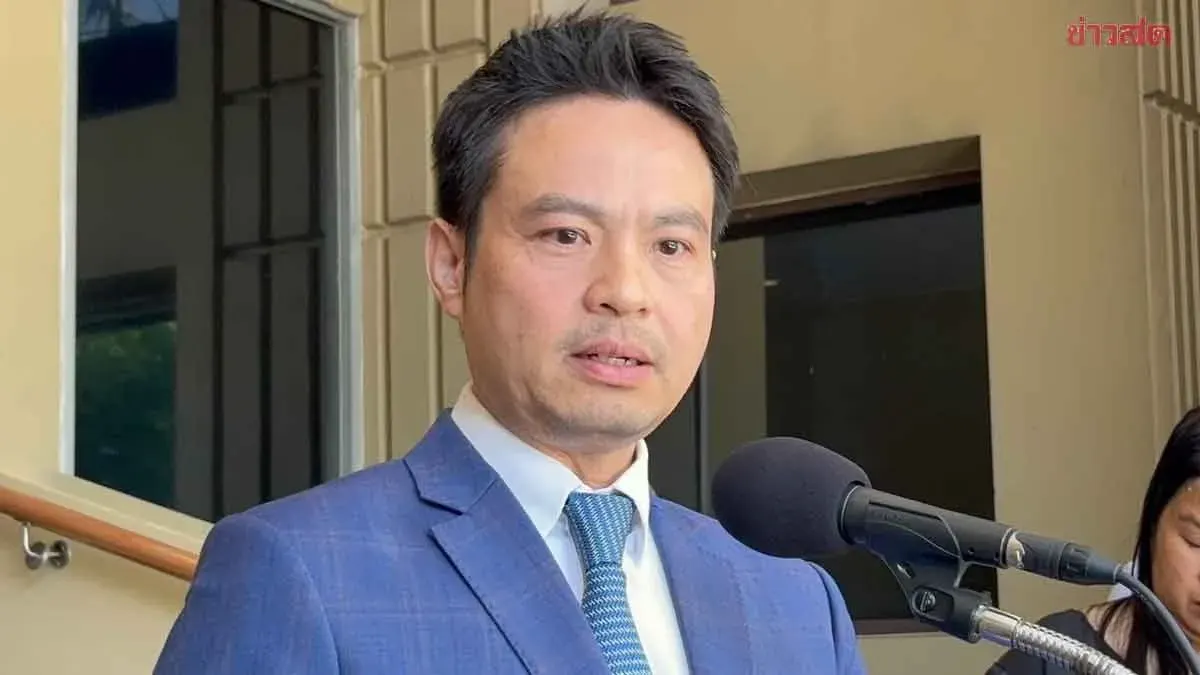
Energy Minister Pirapan Salirathavibhaga announced aggressive measures to restructure fuel pricing, cutting hidden costs and capping excessive refinery margins to lower retail prices. The government has already reduced E20 and B20 by about 10 baht per litre and diesel by 2 baht, while a windfall-profit mechanism has reclaimed nearly 35 billion baht since April to subsidize consumers. The policy also aims to boost domestic biofuel use, reduce import reliance, and support Thai farmers.
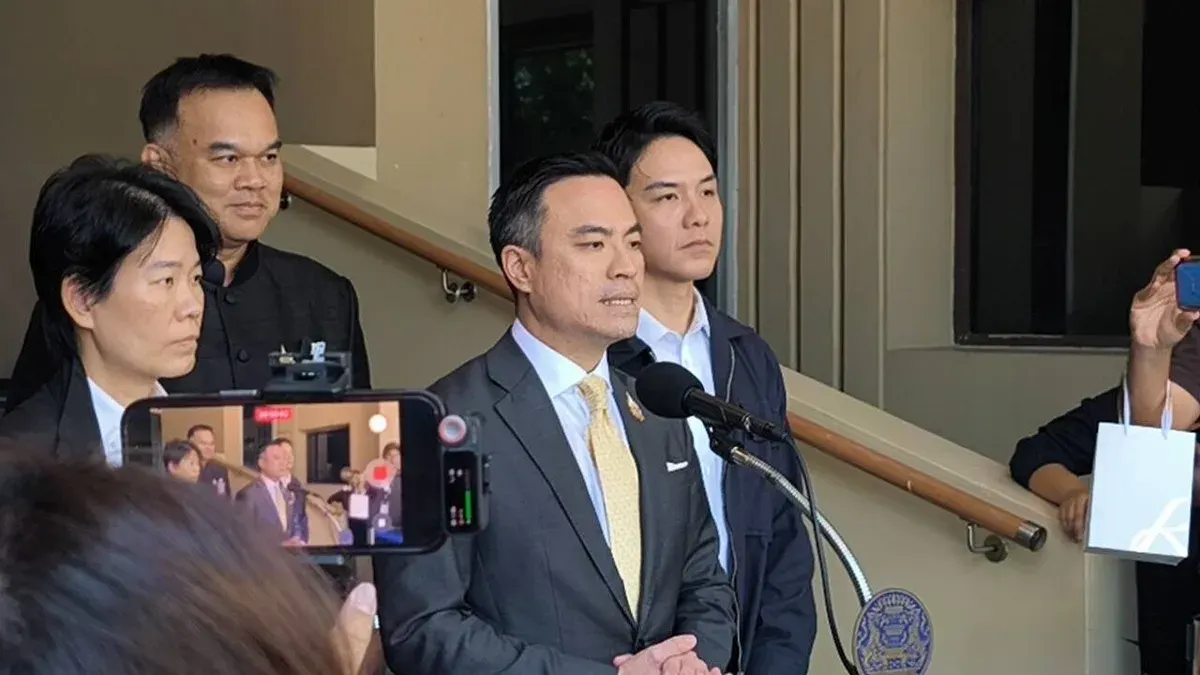
Energy Minister Pirapan Salirathavibhaga stated the government understands public frustration over fuel prices and is ready to hear proposals from all sides. He has dispatched the Minister's Secretary and Ministry spokesperson to meet directly with public representatives, and pledged he is available to discuss anywhere, anytime if it helps reduce living costs.
Recently, the Ministry has steadily lowered fuel prices. Last week, E20 and B20 dropped about 10 baht per litre, while diesel B7 and gasohol E10 fell roughly 2 baht per litre. Further measures will follow, especially passing on falling crude oil costs to retail prices as quickly as possible.
Pirapan said the government is not acting only due to public pressure but has applied problem-solving mechanisms continuously. He cited April when diesel exceeded 50 baht per litre; after managing refinery margins and pricing components, prices fell to around 35 baht per litre within three months, a drop of about 15 baht.
However, after July global energy conditions intensified, pushing finished fuel prices higher. The Ministry has reapplied the same mechanisms intensively. This round does not rely solely on the Oil Fund or excise tax cuts but directly restructures pricing: cutting unrealised costs referenced from Singapore transport and insurance benchmarks, and auditing refinery margins to align with actual costs.
If abnormal refinery margins are found, the excess is calculated as windfall profit and used to reduce ex-refinery prices. Since April, this mechanism has generated nearly 35 billion baht to help lower fuel prices.
The Ministry has embedded the abnormal refinery margin control mechanism in relevant plans and regulations so it can be activated automatically in future energy crises, rather than requiring ad-hoc measures each time.
Additionally, reducing E20 and B20 prices is part of the energy transition. Both fuels contain domestically sourced bio-components, reducing crude import dependence and increasing demand for palm oil, sugarcane, and cassava — products of Thai farmers.
Pirapan said after the price cuts, B20 consumption rose from near zero to about 9-10 million litres per day, while E20 and B20 together now account for nearly 20% of fuel use, reflecting public acceptance of alternative fuels.
Nevertheless, he affirmed the government will press ahead to reduce energy costs as fast as possible, alongside structural fixes to cut import dependence and keep money circulating domestically to generate income for farmers and the Thai economy.