Feature Profiles Legendary Thai Monks and Their Sacred Amulets
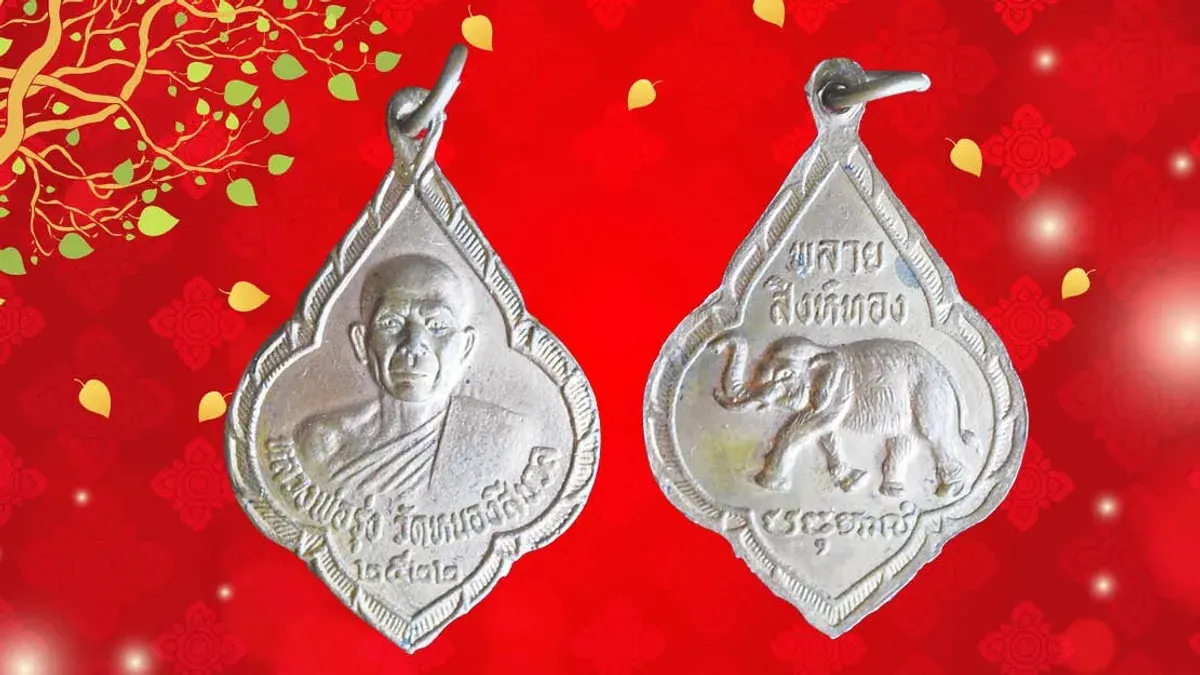
A feature article profiles several legendary Thai Buddhist monks and their iconic amulets, including Luang Pu Iam's 1924 Yant Si coin, Luang Pu Nil's 1973 birthday coin, Phra Phutthabat Pilan's prized prints, and Luang Pu Jaeng's posthumous coins. These sacred objects, crafted from the 1920s to 1970s, remain highly revered by collectors and devotees for their spiritual potency and historical significance in Thai Buddhist culture.
"People whose minds are not yet peaceful like to gather in crowds and chatter chaotically," a blessing from Luang Por Cha Supatto of Wat Nong Pa Phong, Ubon Ratchathani.
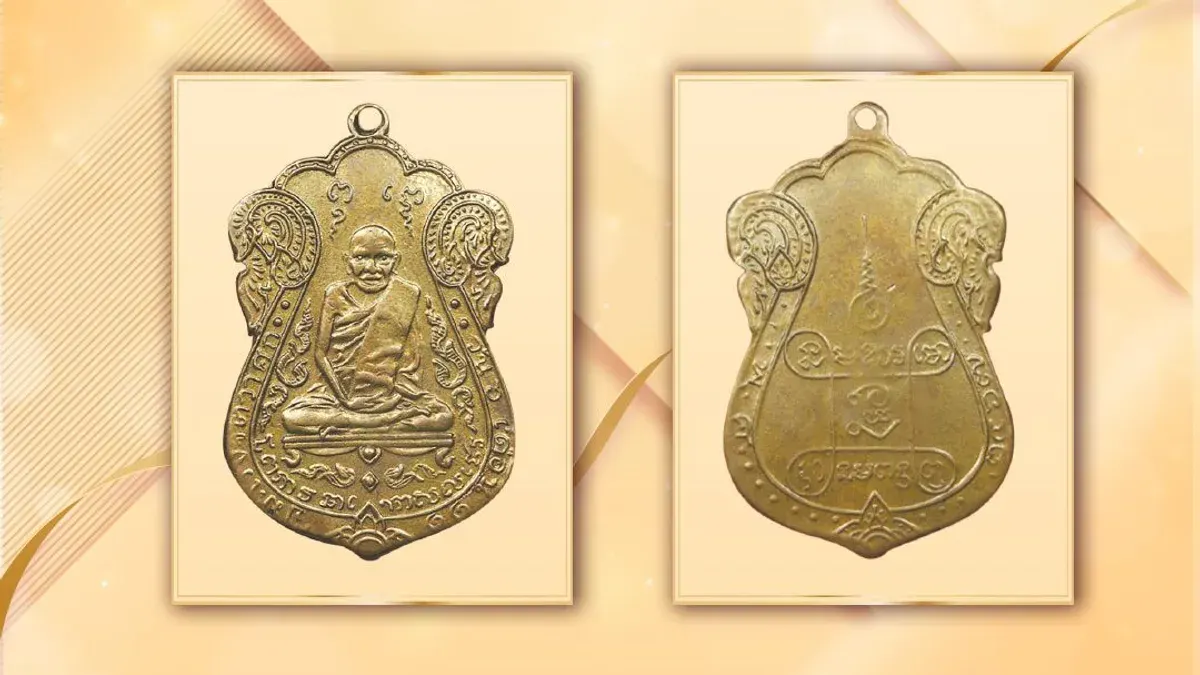
"Luang Pu Iam Suwannasaro," abbot of Wat Hang Rachaworawihan in Bangkok's Bang Khun Thien district, created special sacred objects, notably the Yant Si commemorative coin for the ordination hall dedication, made in 1924. It is shaped like a bodhi leaf with a suspension loop. The obverse depicts Luang Pu Iam seated in meditation on a throne. The left border reads "Year Marong, Catavasaka" and the right border reads "Day 6, Month 11." The reverse bears a four-sided yantra with a fish-roe border surrounded by kranok motifs. The Yant Si and Yant Ha coins look alike, differing on the reverse where the Yant Ha version features the Phra Pathomang yantra in a five-sided design. The Yant Ha coin, made in 1926, became the all-time number one most popular lead coin.
"Luang Pu Nil Isariko" or "Phra Khru Nakhon Thamakhosit" of Wat Khok Buri, Khok Buri district, Nakhon Ratchasima, was a famous meditation master who created many types of sacred objects. The most popular is the 6th-cycle 72nd birthday coin from 1973. It is oval, made of dark reddish copper, about 10,000 pieces minted. The obverse shows a half-body portrait inscribed "Phra Khru Nakhon Thamakhosit" above and "Wat Khok Buri" below. The reverse has a square yantra with "Complete 6 Cycles" above and "B.E. 2516" below. He empowered them alone with a single mind-awakening ceremony; possessors cherish them deeply.
"Phra Phutthabat Pilan," named after his builder Mom Chao Phra Phutthabat Pilan (Thad), a close disciple of Somdet Phra Phutthachan (To Phromrangsi) of Wat Rakang Khositaram, was the only monk the Somdet entrusted to oversee Wat Tan. He later rose through ecclesiastical ranks to become Somdet Phra Phutthachan (Thad), equivalent to a high-ranking teacher.
Phra Phutthabat Pilan created many prints: large and small Bodhi leaf covers, Mokkalana-Sariputta, large crystal cover, doorway arch, Phleu Phleing, flour droplet, and closed-eye prints. Especially "Phra Phutthabat Pilan Sum Pratu" (Doorway Arch print), which is highly praised and ranked as one of the five Benjapakee powder amulets.
"Luang Pu Jaeng Punyajantho," former abbot of Wat Pradu, Amphawa district, Samut Songkhram, an elder monk of the old generation with profound Buddhist knowledge. His sacred objects are mostly takrut (scroll amulets). His coins were made before 1957; this first series was never produced during his lifetime but was blessed by many famous guru monks of that era using only brass.
They are oval with integrated loops. The obverse shows a half-body portrait of Luang Pu Jaeng wearing a robe with one shoulder exposed and the sanghati draped, inscribed in Thai "Luang Por Jaeng Wat Pradu." The reverse bears yantra script with an unalome at the top. After completion, they gained popularity despite being posthumous coins made after his passing.
Ariya Phedthamma [email protected]