Finance Minister Pushes Car Swap, Biofuels, Solar Project Fixes
Finance Minister Ekniti Nitithanprapas outlined progress on the People's Solar project and plans to resolve implementation snags with state utilities. He also detailed the "Old Car for New Car" scheme, which aims to retire polluting vehicles by offering subsidies partly funded from the Energy Transition Loan Emergency Decree, with new cars required to run on E20 or B20 biofuels. The government simultaneously promotes biofuel tax cuts to boost farm incomes and cut energy imports, framing the moves as part of a long-term investment-led economic strategy.
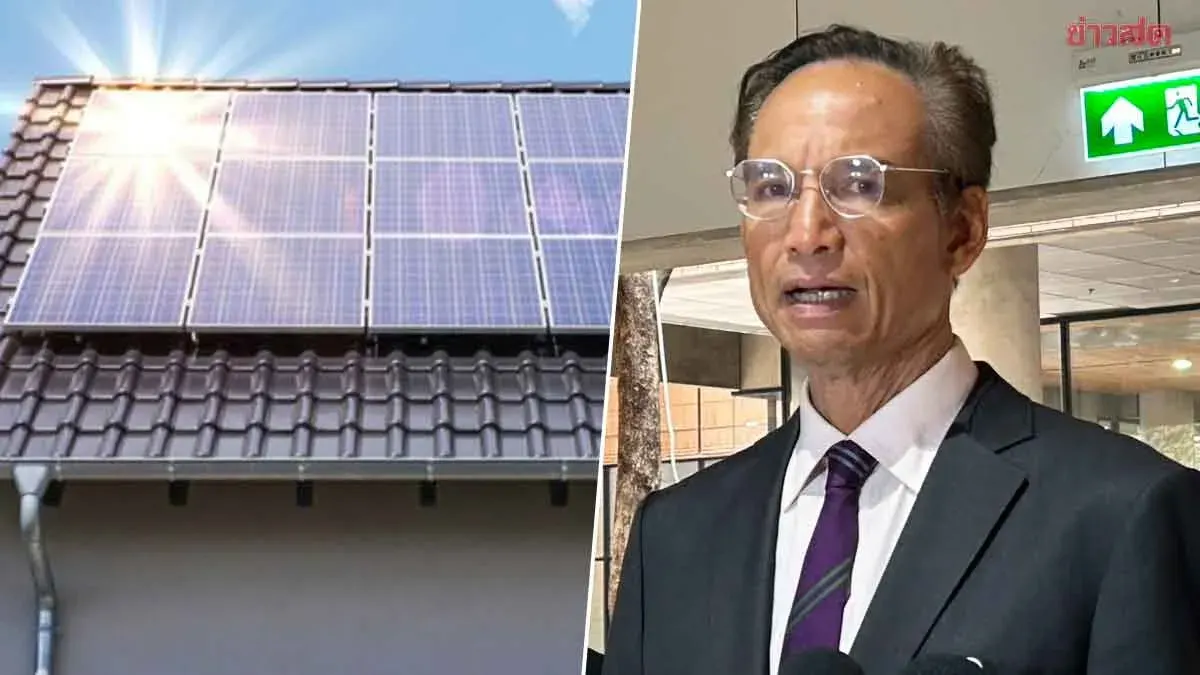
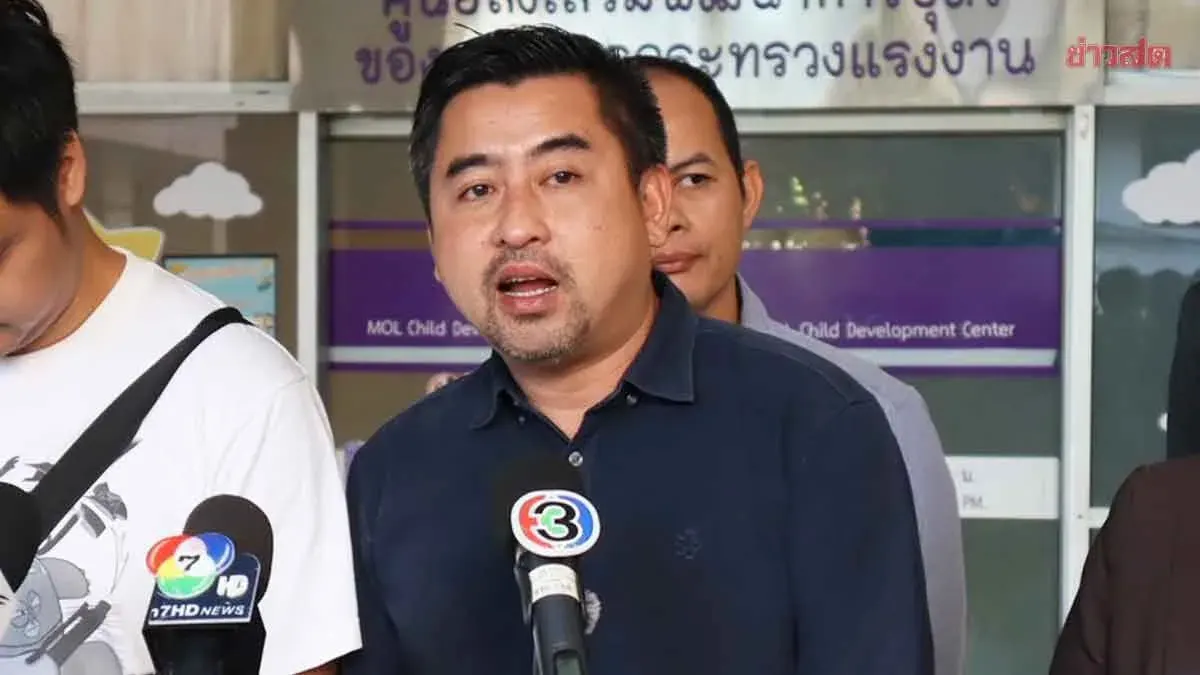
Deputy Prime Minister and Finance Minister Ekniti Nitithanprapas revealed progress on the People's Solar project, noting implementation hurdles despite government policy approval. He plans to meet with the Deputy Interior Minister, the Electricity Generating Authority of Thailand (EGAT), and the Provincial Electricity Authority (PEA) as implementing agencies to find solutions, with the Finance Ministry and economic team stepping in to support and fix problems, including reviewing the latest booking numbers.
Beyond solar, the government is driving automotive and energy transition to cut foreign energy reliance. Excise tax cuts on E20 and B20 biofuels have spurred public adoption. "Promoting E20 and B20 use through excise tax cuts also creates 'oil on land' from agricultural produce, directly lifting prices of palm oil, sugarcane, and cassava, giving farmers better income," Ekniti said.
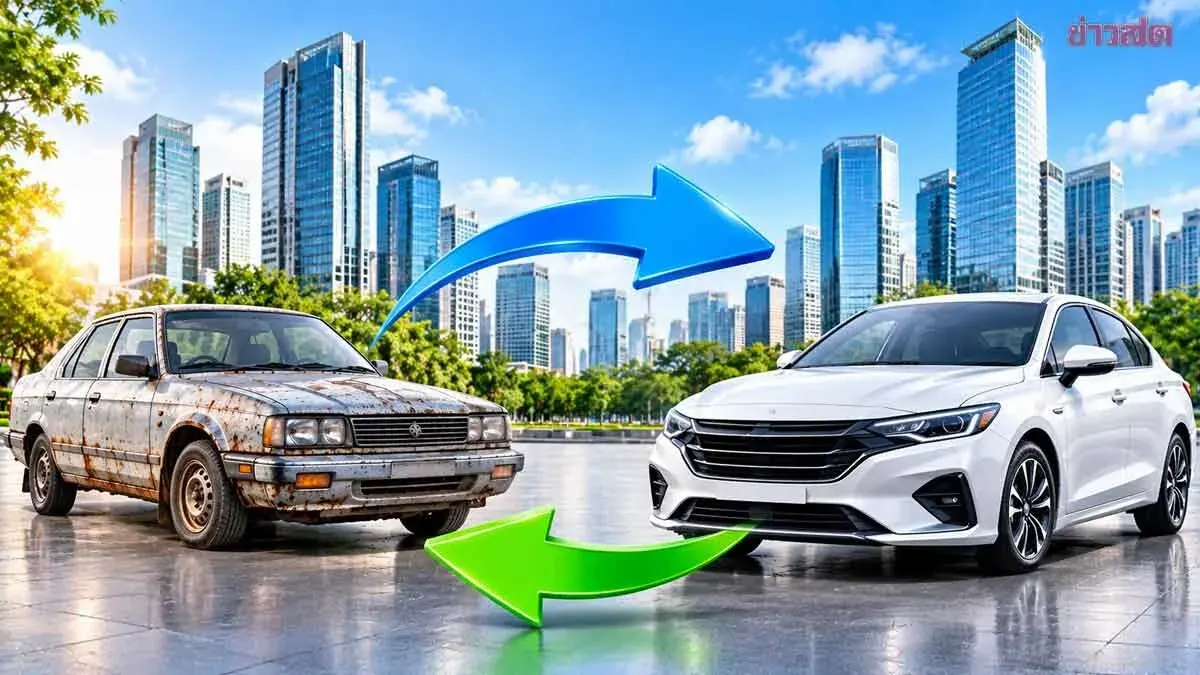
On the "Old Car for New Car" project, Ekniti said the Finance Ministry is designing details with the Transport Ministry, Excise Department, and private sector. The main goal is to retire old, long-used vehicles that emit pollutants and PM2.5 to protect public health. A private-sector proposal for the government and private sector to split the down payment 50-50 is under consideration; due to budget limits, the government seeks private cooperation to boost people's purchasing power. Officials are also studying whether to tap remaining funds from the Energy Transition Loan Emergency Decree for support, though technical details on the subsidy share are still being examined.
Ekniti noted many old cars cannot run on E20 or B20 biofuels, so a key condition is that replacement vehicles must support E20 or B20 to cut household fuel costs and reduce energy imports.
The government is not limiting itself to the car-swap scheme. The Finance Ministry and private sector are also studying technical details on supporting engine conversions or modifications as another option to cut pollution and improve energy efficiency for current car owners. All measures are under Cabinet review and require close coordination with the Transport Ministry and Excise Department.
Ekniti said these automotive measures are part of the Finance Ministry's broader economic strategy, which emphasizes "investment-led growth" to raise long-term competitiveness and create sustainable income for the people, rather than focusing solely on short-term consumption stimulus, while preparing Thai businesses and workers for global trade and economic challenges.