Finance Ministry Revises State Welfare Card Eligibility Criteria
Thailand's Finance Ministry is revising welfare card eligibility rules to better match current living conditions, including new guidelines on old vehicles and student status. One Stop Service centers are opening nationwide to help citizens
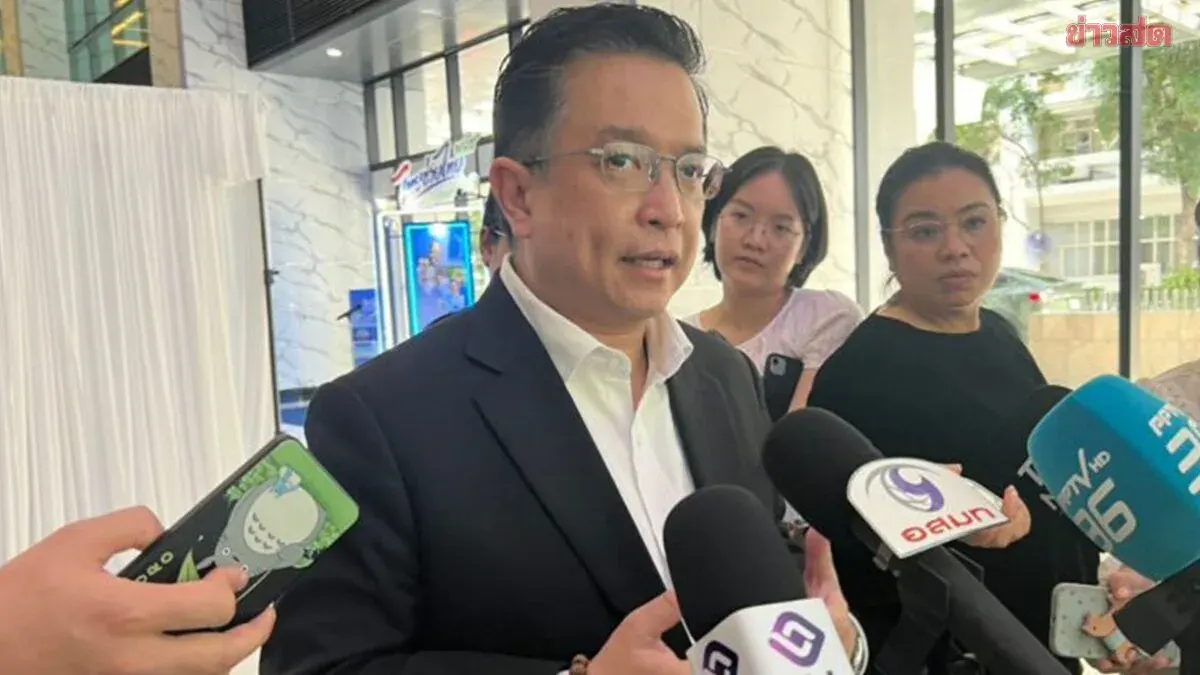
The Finance Ministry is reviewing eligibility criteria for the state welfare card to align with current living conditions while setting up One Stop Service centers nationwide to assist citizens and open enrollment to the poorest households. Finance Ministry spokesman Winij Wisesuwan, director of the Fiscal Policy Office, revealed on July 20, 2026, that the ministry is reconsidering the appropriateness of eligibility verification criteria and the timeline for appeals to better reflect citizens' actual circumstances.
Specific cases under review include vehicle ownership rules for cars over 20 years old or motorcycles over 15 years old that are no longer in use, and student status definitions for learners in the Department of Non-Formal Education system who are not in compulsory education. All issues will be compiled for consideration by the Grassroots Economy and Social Welfare Committee before submission to the cabinet.
To help citizens, the ministry is establishing One Stop Service centers throughout the country to provide guidance, coordinate data verification, assist with electronic identity confirmation (e-KYC), and support data corrections. Applicants who believe their data is inaccurate can appeal until July 31, 2026, through four channels: the welfare website (welfare.mof.go.th), the Pao Tang app, government apps, and five participating banks—Thai Farmers Bank, Agricultural Bank, Government Savings Bank, Government Housing Bank, and Islamic Bank of Thailand.
Citizens must contact the data-holding agencies by August 16, 2026, to clarify or correct information, with all agencies providing assistance. The 2026 welfare program registration aims to ensure comprehensive access to benefits, especially for the poorest populations, while building a complete database for targeted welfare provision to low-income groups.