Chachoengsao Residents Brace for Possible Month-Long Flood Extension
CHACHOENGSAO — 9 October 2026, Residents of Pak Nam subdistrict in Bang Khla district, Chachoengsao, have endured flooding for more than two weeks, with reports that the situation could continue for another 30 days adding to their anxiety over how long they must live with the hardship. Flooding continued to disrupt daily life in Bang […]

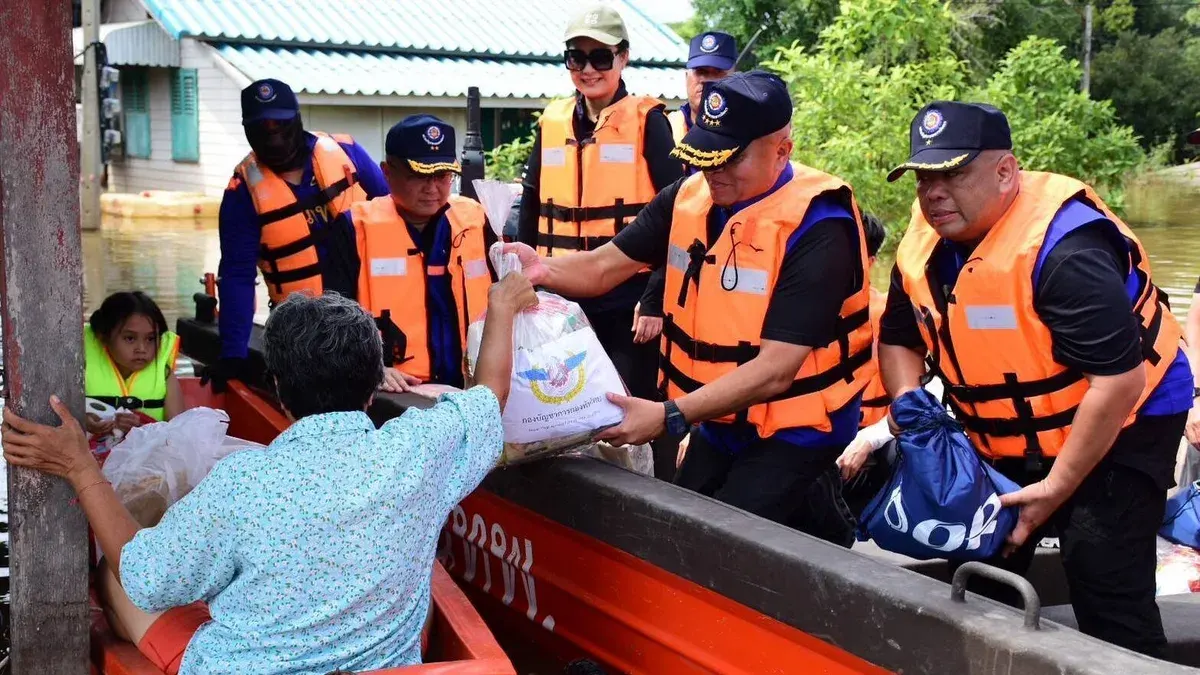
Residents of Pak Nam subdistrict in Bang Khla district, Chachoengsao, have endured flooding for more than two weeks, with warnings that the situation could persist for another 30 days, adding to their anxiety about how long they must endure the hardship. Flooding continues to disrupt daily life in Bang Khla, especially in Pak Nam, where many families have lived with standing water for over two weeks. Jintana, a flood victim in Moo 1 of Pak Nam, showed reporters CCTV footage from Soi Anamai Kao that captured large trucks driving through the lane without slowing, creating waves that overtopped sandbag barriers and pushed water into homes, damaging belongings. She urged heavy‑truck drivers to avoid the lane unless absolutely necessary and, if they must use it, to drive slowly and carefully to prevent further damage. She also called on authorities to consider restricting large vehicles or managing traffic in vulnerable areas. Thanathon, a hospital patient assistant at Bang Khla Hospital and another flood victim, said residents have faced severe difficulties over the past two weeks. Even items that might seem insignificant to others represent years of hard work for their owners, making their loss deeply distressing. Getting to work has become a major challenge; although some workplaces remain dry, flooded roads make commuting difficult, and many cannot afford to stop working because they need to support their families. If the flooding lasts another 30 days, Thanathon warned, the impact on residents’ mental health and living conditions could become severe. Families caring for bedridden patients, the elderly, and others needing close supervision face particular difficulties, as moving them out of their homes is hard when roads are flooded and help is limited. Access to food and sanitation is another concern, especially in areas that emergency crews struggle to reach. Using toilets has become especially difficult for women and older residents who must stay in flooded communities for extended periods. Thanathon added that stagnant floodwater is beginning to deteriorate, producing foul odors and leaving garbage behind, further complicating daily life. He thanked government agencies, organisations and volunteers for their ongoing assistance, saying every bit of help matters even in hard‑to‑reach areas. He also urged authorities to accelerate water‑management plans to prevent similar flooding from recurring year after year, as residents continue to suffer losses to property, income, work and everyday life.