Gen Z Protesters Demand Education Reform, Youth Voice in Policy
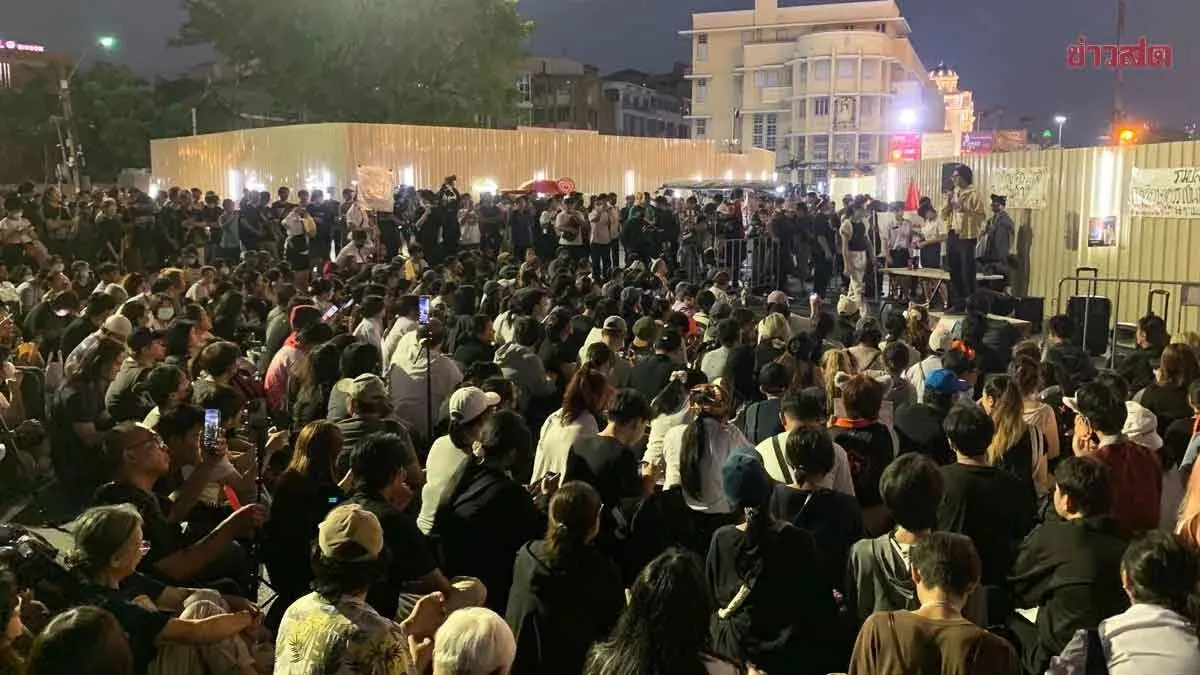
Gen Z protesters rallied at Bangkok's Democracy Monument on World Children's Day demanding action on educational inequality, student participation in policy-making, and environmental protection. Spokesperson Thiraphat denied political party backing, saying the movement seeks concrete solutions to student debt, university access costs, river pollution, and waste problems. Organizers warned of escalated nationwide protests if the government fails to address these issues affecting youth across Thailand.
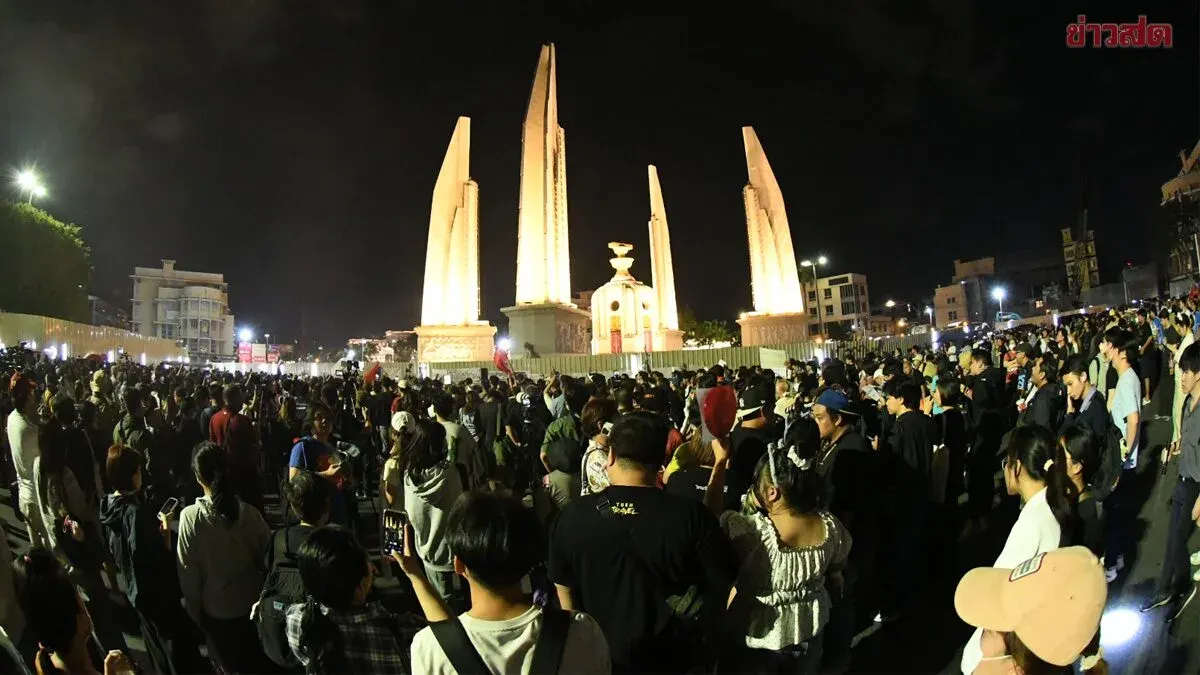
Gen Z protesters declared they will no longer tolerate problems affecting their future, urging the government to address educational inequality and create space for youth participation in policy-making. They emphasized no political party backs the movement, calling it a demand for the people's future. On November 20, reporters covered the gathering of Gen Z groups at the Democracy Monument. Thiraphat, representative of the student network, revealed the reasons for the rally, citing persistent educational inequality, particularly access to university education where many students bear heavy costs and some must take loans to continue studying, even though education should be an equally accessible right. He questioned why youth must start their working lives burdened with debt before even graduating. Additionally, they demanded opportunities for students to participate in shaping education policy, rather than leaving decisions solely to those in power or administrators, since students are directly affected and should have the right to voice their needs and co-design an education system serving the new generation. Simultaneously, they reflected concern over environmental problems, including toxic contamination in rivers and waste issues, which have accumulated over time and may impact natural resources and public quality of life. They questioned whether the government will let problems deteriorate until people cannot access clean water and safe food. Thiraphat added that the protest's goal is not merely to oust the government but to see concrete problem-solving. If the government cannot fix issues, it should acknowledge its limitations. Future actions may escalate, including rallies and expressions in various provinces, because national problems are not confined to Bangkok but affect people nationwide. Thiraphat stressed the movement does not serve any political party but demands a future for themselves and the public. Whenever citizens mobilize, they are often asked about party ties, yet every citizen has the right to demand government accountability. This rally has no single authoritative leader but is a collective gathering of students, university students, and citizens sharing a common intent to voice their stance on national problems. Thiraphat said they do not want society to view education as separate from politics, because state policies directly affect students' lives and the country's future. Youth should not be blocked by claims that children should not involve themselves in politics, as they are part of society and equally affected by government decisions. Thiraphat noted the rally date coincides with World Children's Day, giving significance to the youth movement as a day globally focused on children's and youth rights. They seized the opportunity to voice problems facing children and students: educational inequality, restricted freedoms, and exclusion from policy-making affecting their lives. If children and youth are the country's future, why are their voices still not being seriously heard?