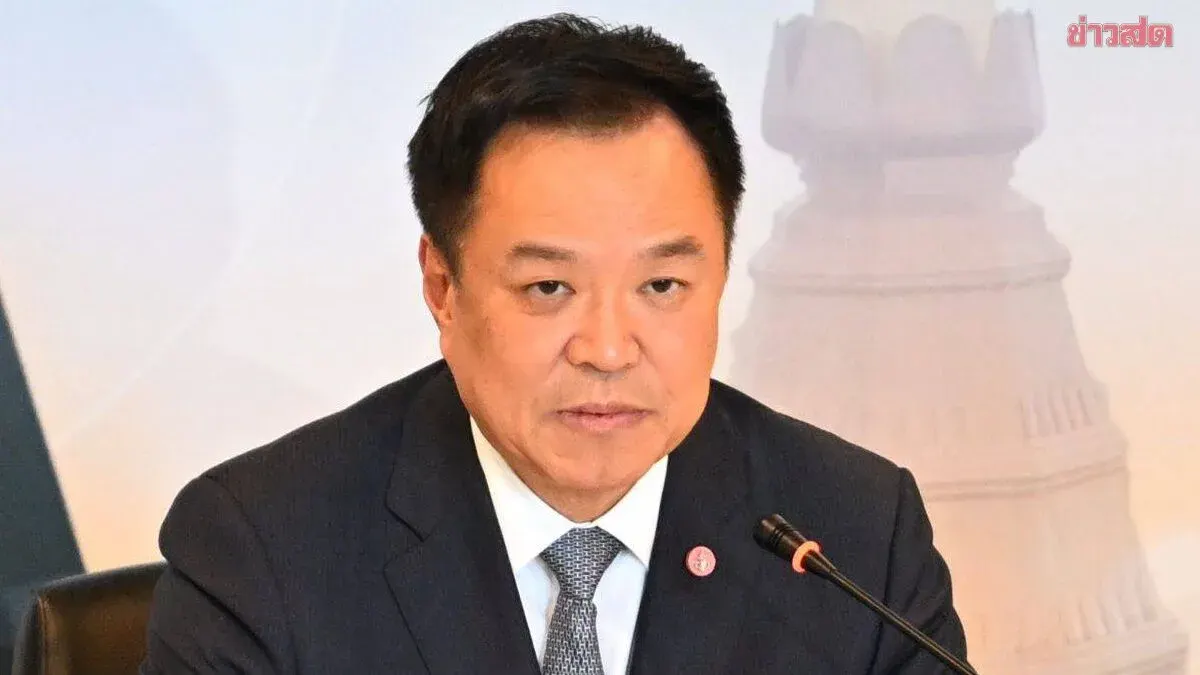
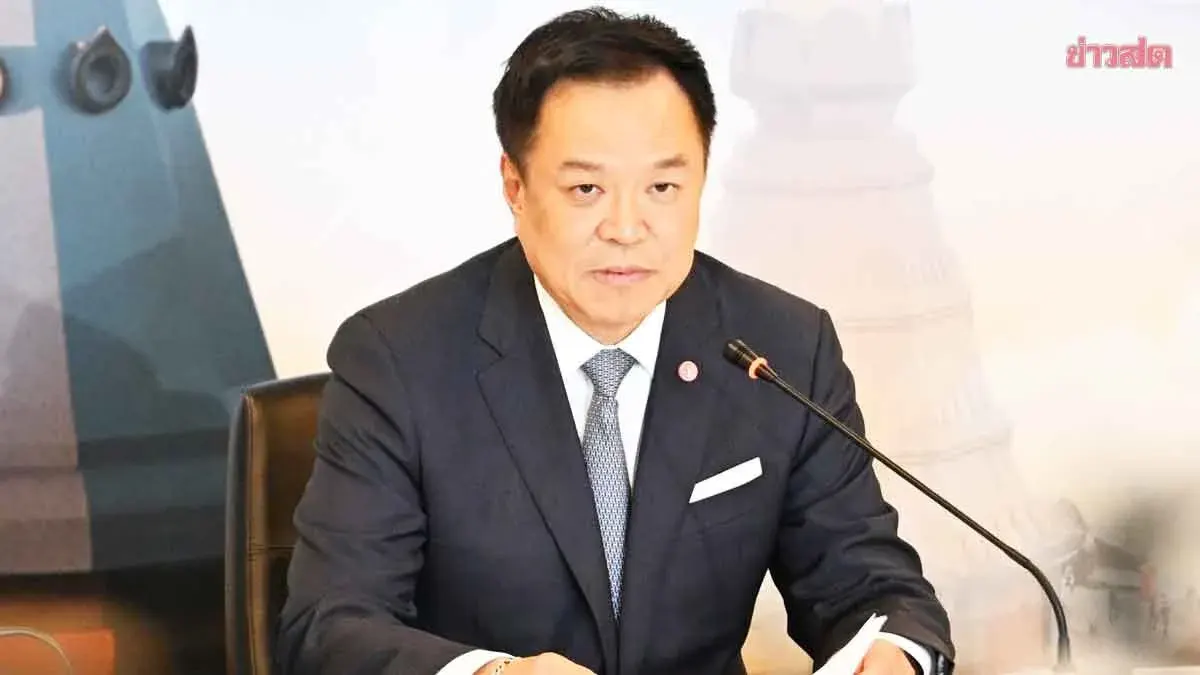
Deputy PM Supajee Defends Thailand-US Trade Framework
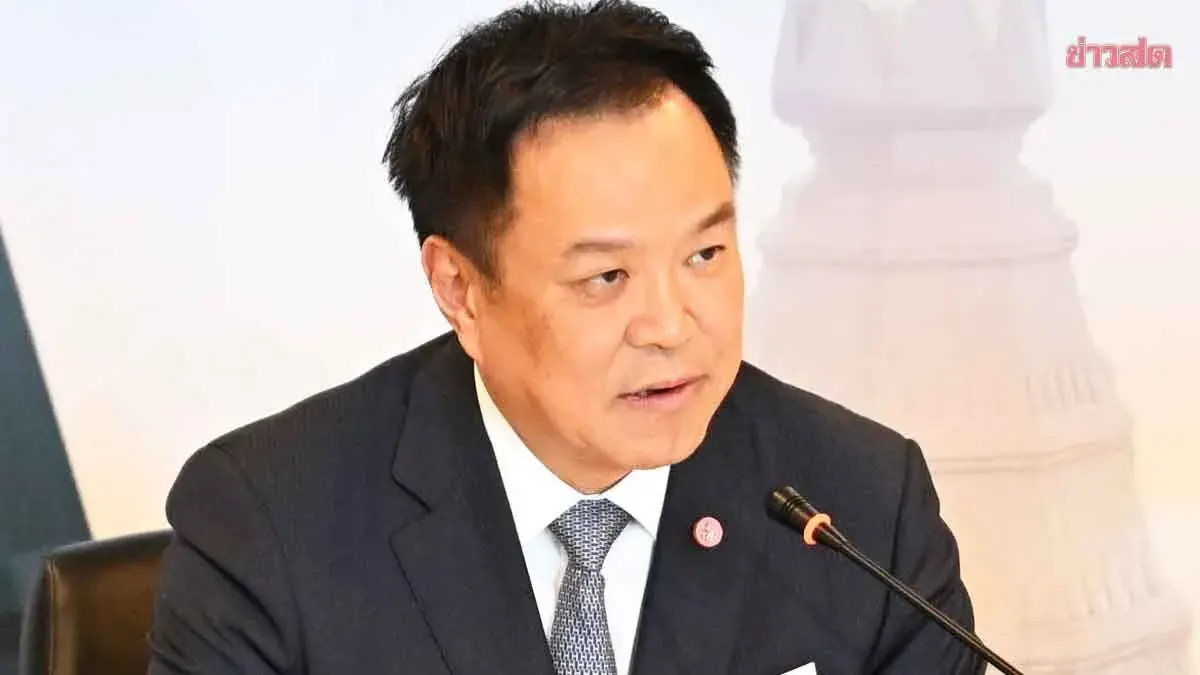
Deputy PM Supajee Suthamphan defended the newly signed Thailand-US Agreement on Reciprocal Trade (ART), clarifying it is a non-binding framework that protects Thai farmers and entrepreneurs while preserving access to the US export market. She emphasized purchases depend on price and quality, rejected meat with growth promoters, and noted Thailand's growing trade surplus with the US supports 1.25 million jobs.
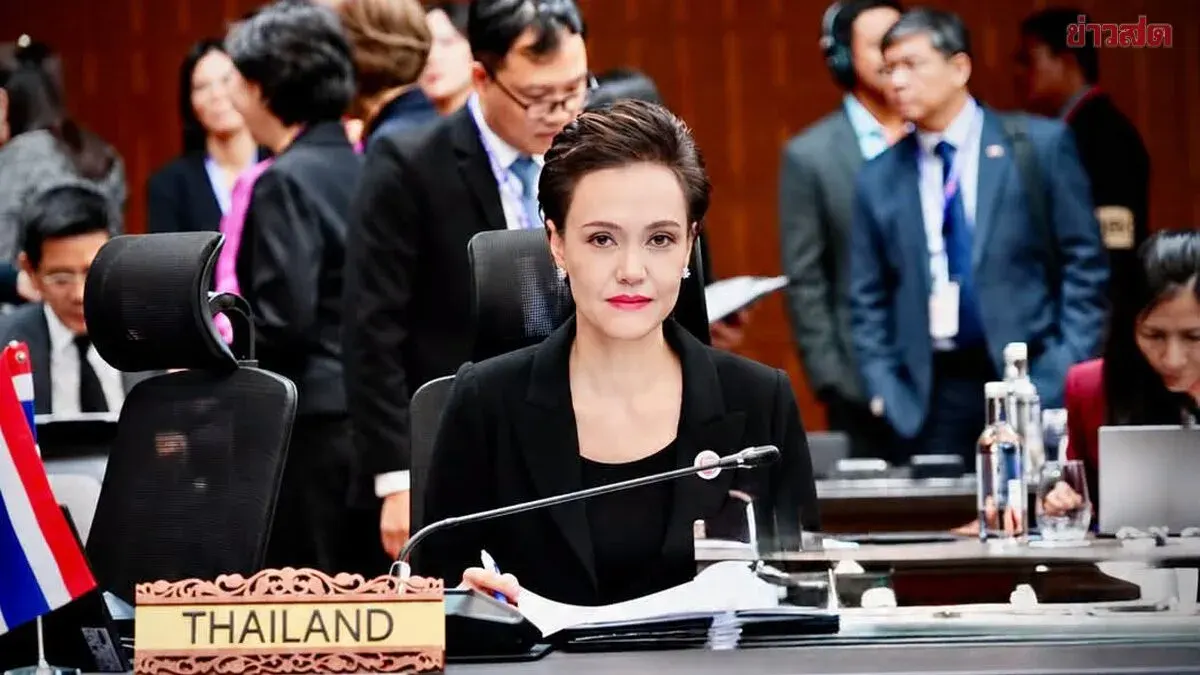
At 4:05 p.m. on November 20, 2026, at the Wing 6 Don Mueang Air Force Base in Bangkok, Deputy Prime Minister and Commerce Minister Supajee Suthamphan briefed reporters on the outcomes of the 49th ASEAN Summit in Manila, Philippines, and the 33rd APEC Economic Leaders' Meeting in Xiamen, China. Addressing the Thailand-US ART joint statement, she described it as a mutually acceptable agreement between the two countries to exchange benefits. However, she noted many people may not yet know the details, leading to confusion with earlier understandings from early 2025, when US President Donald Trump spoke of an existing framework for purchasing $2.6 billion worth of agricultural products, along with energy and aircraft.
Supajee explained that reaching such understandings involved negotiations with the private sector, since private companies are the buyers while the government acts as a coordinator for goods such as soybeans and feed corn that Thailand does not produce in sufficient quantities. If those imports come from the United States, they would help reduce the trade imbalance between the two countries.
She pointed out that Thailand's trade surplus with the US ranked 11th globally in early 2025, rose to 7th by year-end, and reached 5th in the last six months. Therefore, reciprocal trade talks must show goodwill by indicating what Thailand is willing to buy from the US — items it already needs, such as energy currently sourced from the Middle East, and aircraft, since Thailand cannot manufacture its own planes, giving the US an opportunity to compete.
"I want to stress that the agreement framework does not mean the state is obliged to buy a fixed amount; it depends on whether US prices, quality, and conditions meet the needs of Thai entrepreneurs, farmers, and consumers. If they don't buy, there is no penalty. But we must demonstrate sincerity by opening opportunities for the US through negotiations on measures, taxes, market access, and non-tariff measures," Supajee said.
Regarding concerns about where Thailand might lose leverage, she clarified that Thailand has maintained 100% open trade with 24 countries for 20-30 years. The US wants Thailand to help narrow the trade deficit by allowing US goods to enter as competitive options, not by forcing Thailand to buy everything — purchasing decisions rest with Thai consumers. Meanwhile, the US does not intend to harm Thai agricultural producers; if any product is sensitive, Thailand will negotiate conditions such as quotas and import regulations to protect domestic producers and farmers.
The benefit of signing this joint statement, she said, is that Thailand can compete more effectively in its number-one export market, the United States. Thailand's trade surplus with the US already exceeds $70 billion (nearly 2.5 trillion baht) and could grow further, with export revenue linked to employment for about 1.25 million Thais.
Therefore, we must... [article ends abruptly]