Government Allows Cattle as Loan Collateral for Farmers
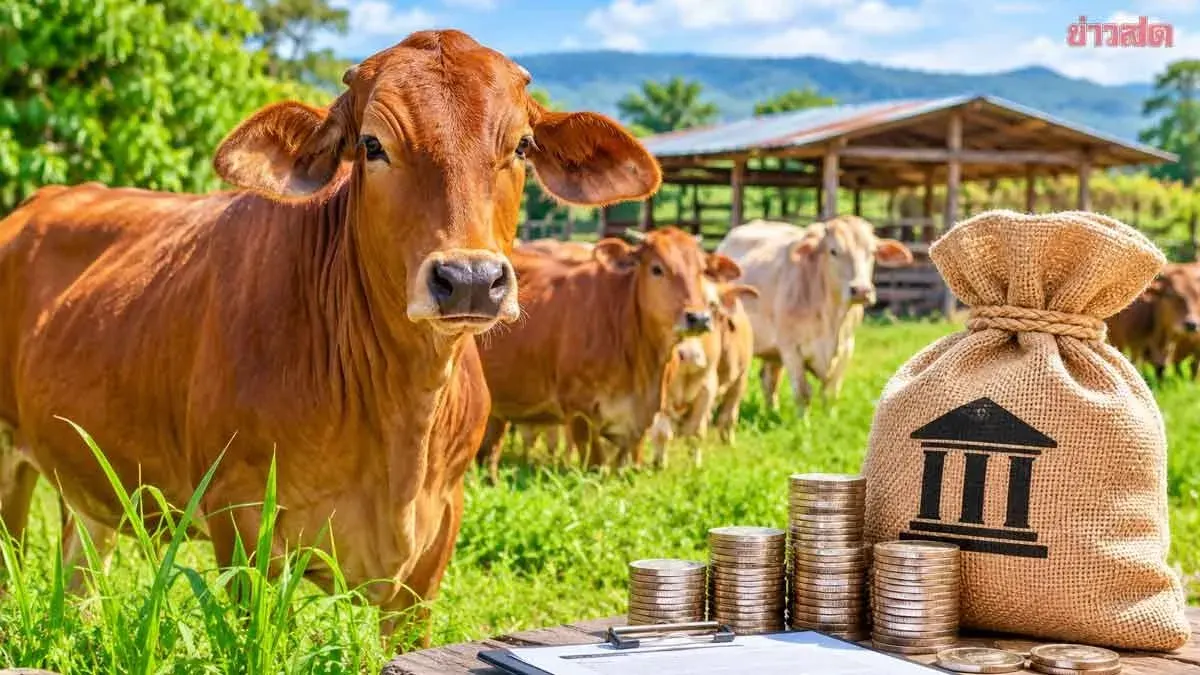
The Thai government has approved a scheme allowing farmers to use cattle as collateral for loans to access working capital. The "Livestock Creates Capital" project, led by the Ministry of Agriculture and Cooperatives, will start with beef cattle and later expand to other livestock, enabling smallholders to unlock the value of their animals without selling them.
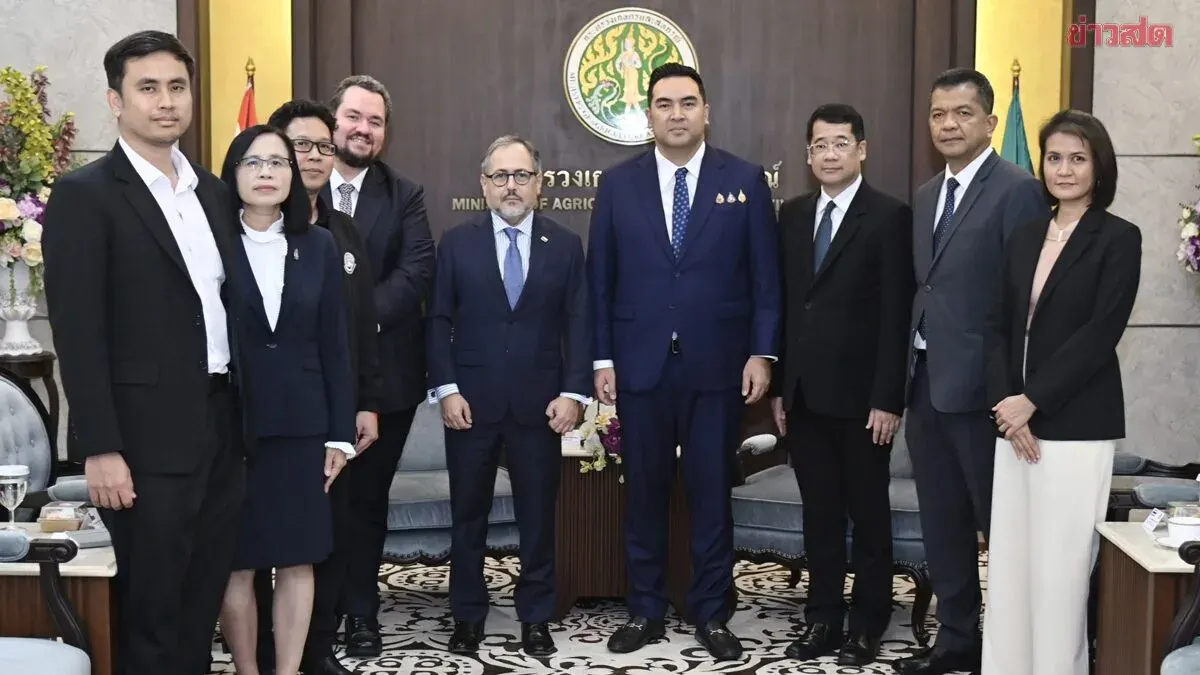
Good news for farmers: the government has unlocked a scheme allowing cattle to be used as collateral for loans to help replenish working capital. Songsak Sangsermudomchai, advisor to the Minister of Agriculture and Cooperatives, chaired the fourth meeting of the "Livestock Creates Capital" project under the sub-committee on crops, fisheries, livestock, marketing, and agricultural imports and exports at Meeting Room 123, Ministry of Agriculture and Cooperatives. Representatives from the Department of Livestock Development, Department of Business Development, Office of Agricultural Economics, Bank for Agriculture and Agricultural Cooperatives, Thai Independent Appraisers Association, Thai Bankers' Association, Thai Leasing Association, Thai General Insurance Association, Thipparat Insurance PLC, Office of Insurance Commission, and related agencies participated. The meeting aimed to establish criteria for using live animals as credit collateral under the Business Security Act B.E. 2558, enabling smallholder farmers to leverage their livestock for working capital while retaining ownership and continuing to raise the animals. The pilot phase focuses on beef cattle, with plans to extend to dairy cattle, beef cattle breeds, and buffalo, then later to goats, sheep, fighting chickens, and ornamental fish. The meeting proposed approaches and limitations covering identity verification and animal ownership rights, valuation and credit limits, insurance, and risk management to ensure farmers can actually access credit and financial institutions have sufficient information. This includes using breed certificates, the NID animal identification system, and the Department of Livestock Development's farmer registry to verify animal identity, valuation, credit limits, and insurance. The Department of Livestock Development was tasked with revising the draft guidelines for further consideration and invited relevant agencies to draft a memorandum of understanding (MOU) while closely monitoring the pilot project's progress.