Government Denies Approving Chinese E-Waste Dumping in Thailand
The Thai government has debunked viral claims that the Cabinet approved importing electronic waste from China. Officials clarified the recent approval was for a Mekong-Lancang knowledge-sharing project on recycling EV batteries and solar panels, not for waste imports, which remain illegal. Prime Minister Anutin has banned e-waste imports and established a crackdown committee, with authorities actively inspecting factories and borders while strengthening legal penalties for violators.
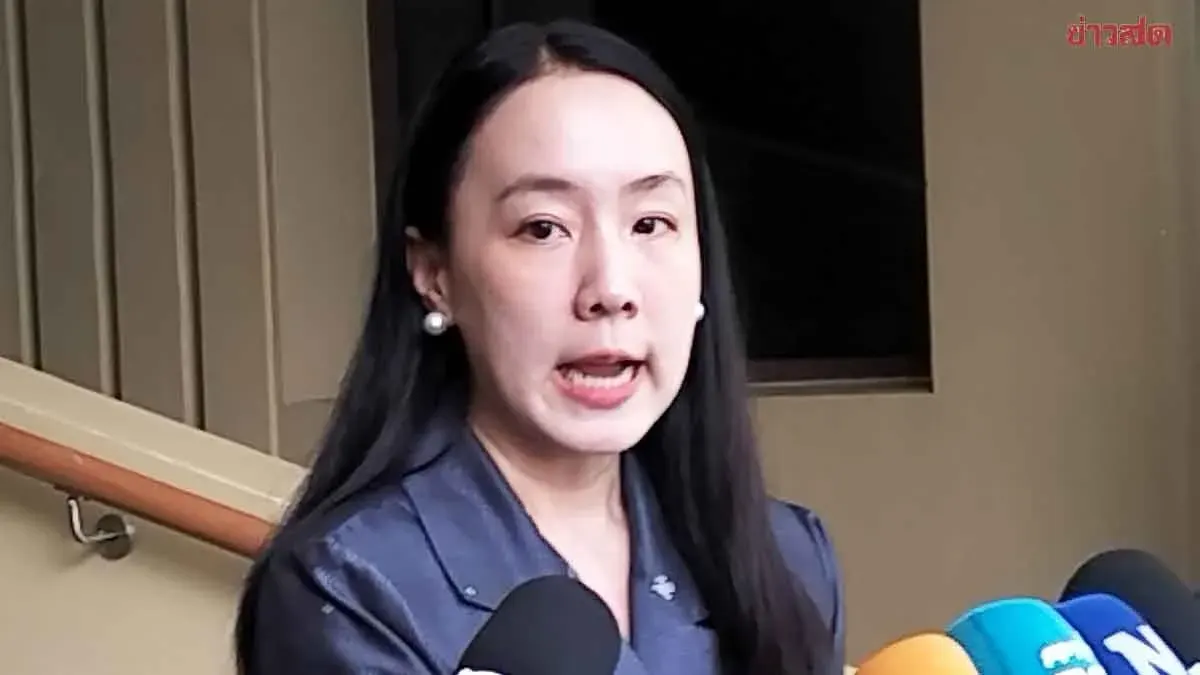
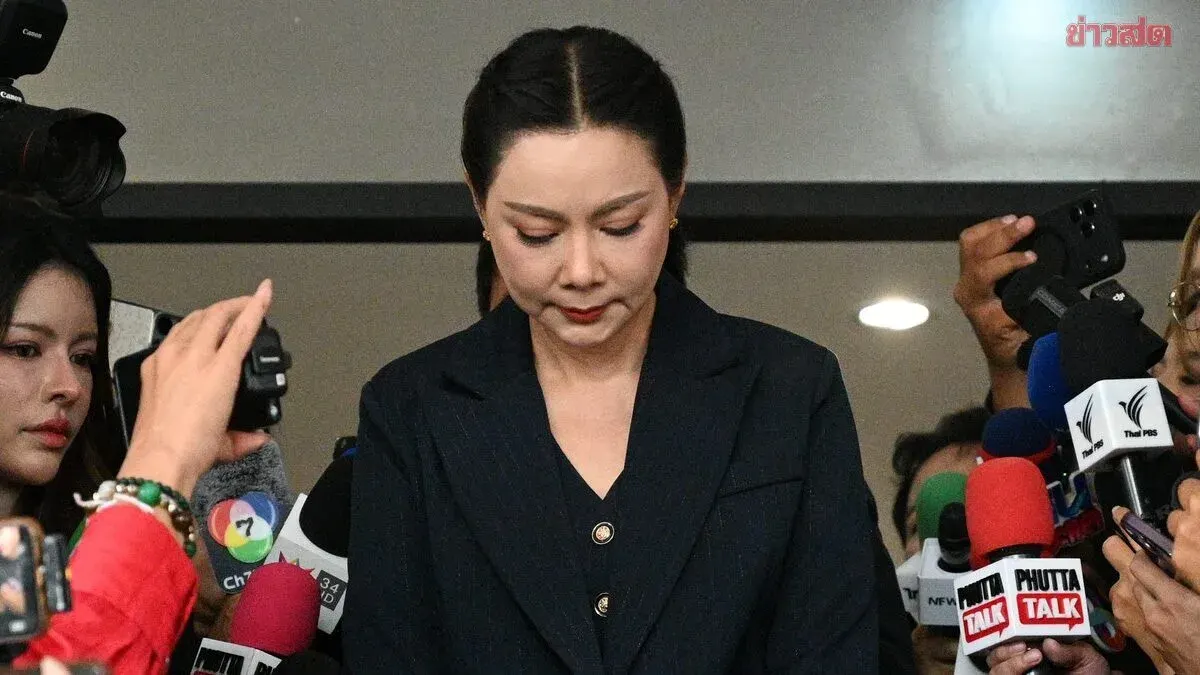
At a Government House briefing on November 16, Deputy Spokesperson Lalida Periswat addressed online rumors about a Thai-Chinese agreement to import electronic waste for dumping in Thailand. She stated the claims are false and the Cabinet never passed a resolution allowing e-waste imports from China or anywhere else.
On October 27, the Cabinet endorsed a draft agreement under the Mekong-Lancang Cooperation Special Fund, which includes a project to build recycling industry capacity for a circular economy and green industry. The project aims to develop knowledge on recycling EV batteries, solar panels, and electronic waste, as Thailand's rising EV adoption will create long-term recycling challenges.
Lalida emphasized the 18-month project involves knowledge transfer and training only, not waste importation. Thailand has laws prohibiting e-waste imports and smuggling. She stressed no government has tackled the e-waste problem as seriously as Prime Minister Anutin Charnvirakul's administration, which has banned e-waste imports and established a crackdown committee chaired by Deputy Prime Minister and Commerce Minister Supachai Suwannaphan.
Authorities have continuously conducted inspections of imports, exports, and high-risk factories, while reviewing legal measures to increase penalties — both civil and criminal — for violators. Foreign offenders face potential deportation. Polluters are held liable for damages.
Lalida said the government welcomes scrutiny but urged media to base reporting on complete, accurate facts rather than cherry-picked information that creates public panic for views and likes. The government has no policy to make Thailand a global dumping ground; instead, it is advancing waste management knowledge while strictly enforcing laws against illegal waste imports to protect public health, the environment, and national interests. She asked all parties to verify facts before sharing information.
Additionally, the government prioritizes public health, including concerns over the Kok River and other waterways with high heavy-metal levels. An international meeting is scheduled for late November, led by Deputy Prime Minister and Foreign Minister Seh Lhak Phuangketkeo.