Government Launches Nine-Point Monsoon Preparedness Plan
Thailand's government approved a nine-point monsoon preparedness plan for 2025 to manage flooding, landslides, and drought across the country's May-October rainy season through improved forecasting, water management, and inter-agency coordi
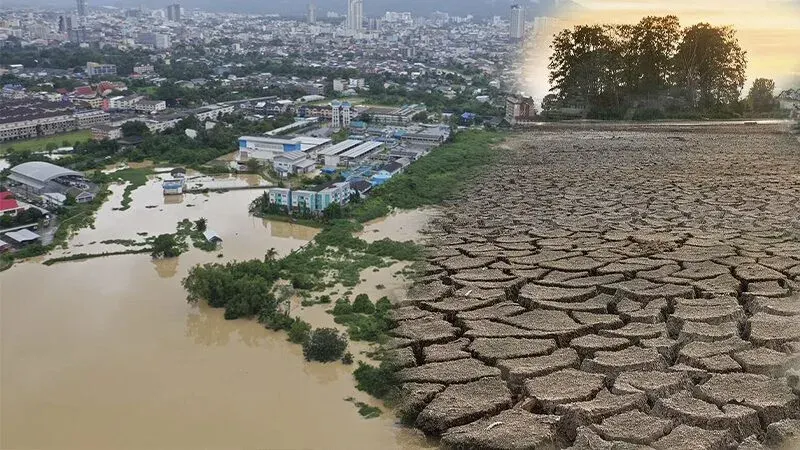
The Thai government has approved a comprehensive monsoon response strategy for 2025 as proposed by the National Water Resources Committee and has directed all relevant agencies to implement it strictly, preparing for heavy rainfall, flooding, flash floods, landslides, and dry spells. Thailand typically enters its full rainy season from May 1 to October 31 each year, except for the eastern southern region which begins September 1 and ends February 28 of the following year. This year focuses on integrated coordination among all agencies, emphasizing nine critical measures to prevent and mitigate impacts from natural disasters, including climate change effects from El Niño. Flooding and dry spells significantly affect people's livelihoods, the economy, and agriculture; advance preparation, accurate warnings, and coordinated action will enable efficient management and minimize potential damage. The measures include forecasting, targeting, and early warning systems for at-risk areas, improved rain and water forecasting, hazard mapping for flooding and landslides, and enhanced early warning systems. Water management criteria across river basins will be reviewed and adjusted to match real conditions, with data coordination between agencies and crisis management plans prepared in advance. Machinery, tools, hydraulic structures, drainage systems, and personnel will be maintained on 24-hour standby, with surveys, repairs, and removal of water obstructions to improve drainage efficiency. Water barriers, dams, embankments, and levees will be inspected for safety, with contingency plans for sudden flooding. Systematic drainage will be enhanced by accelerating removal of water hyacinth and aquatic weeds and dredging channels, especially in economically important and vulnerable areas. Pre-disaster water management centers will be established with drills, shelters and evacuation areas prepared, and vulnerable groups assisted. Water collection and source development will be accelerated at the end of the rainy season for dry season reserves, with optimal management of reservoirs and groundwater. Monitoring, evaluation, and adjustment of measures, combined with public awareness-building and community network strengthening, remain essential to maximize disaster impact reduction.