Government to Overhaul Welfare Card Eligibility Criteria
Thailand's government will overhaul welfare card eligibility criteria after acknowledging that flawed screening processes exclude struggling people who genuinely need help, particularly those with outdated vehicle registrations or pursuing
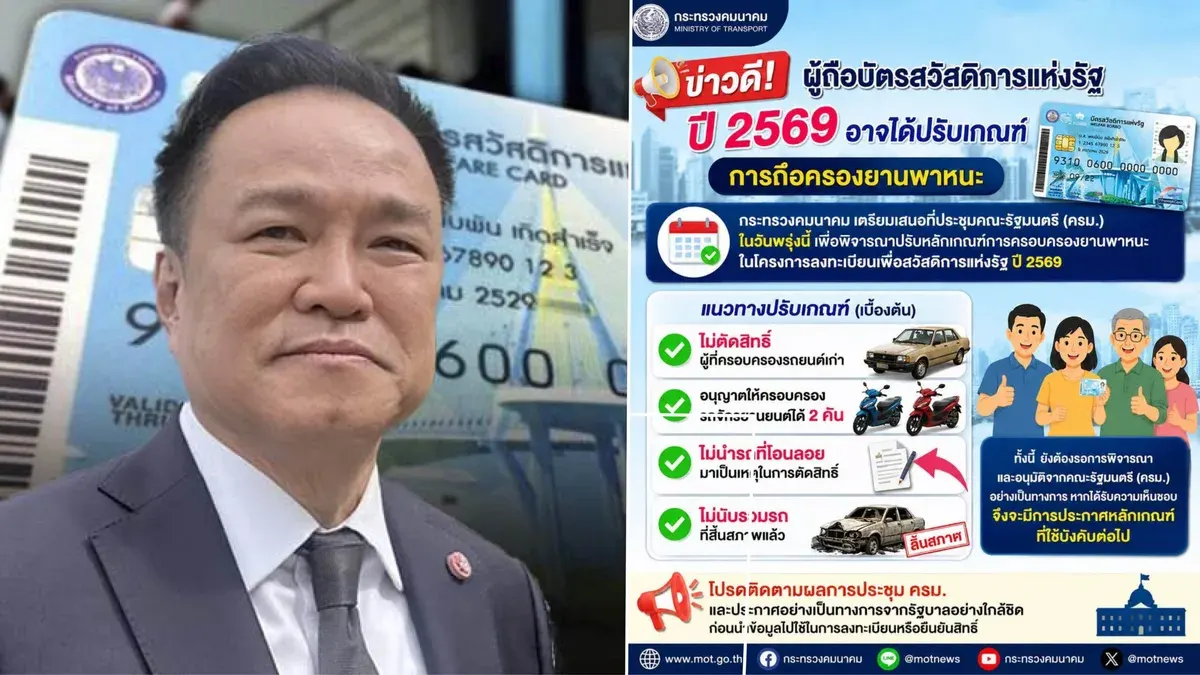
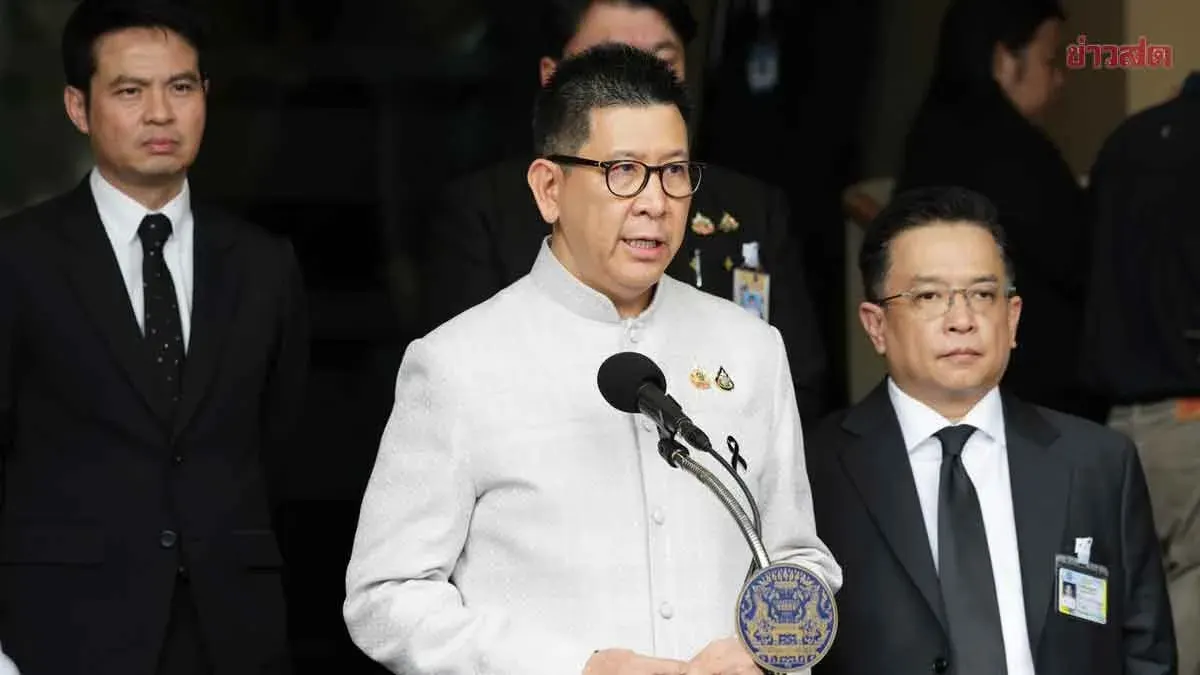
The government announced cabinet meeting results addressing public demands to review welfare card eligibility criteria, a major current issue. Prime Minister Anutin Charnvirakul noted that public feedback shows many struggling people fail the screening despite genuine need for help—such as those registered as owners of defunct vehicles still in records, or students advancing their education whose true circumstances don't match current criteria. The prime minister acknowledged gaps in welfare card screening rules. He stressed that citizens should not have to approach the state or wait for appeals; government agencies must instead proactively reach out to communities, conduct surveys, listen, and solve problems so deserving people don't fall through the system. He assigned the Interior Ministry to coordinate with provincial governors and local agencies to urgently survey those who failed screening but merit assistance, and submit data to the Finance Ministry for quick review. The Transport Ministry must accelerate updating vehicle registration databases, reduce citizen burdens in scrapping defunct registrations, and fast-track legal and regulatory amendments. The Finance Ministry must urgently review screening criteria to align with fact and current hardship, identify rules that exclude the deserving, and propose improvements to cabinet. The prime minister's recognition of public concerns and directive for proactive government action on welfare card screening is appropriate, with focus on updating data to reflect true circumstances, especially vehicle and motorcycle ownership rules—currently a severe problem. Without fixes, millions of citizens risk being left out. Additional affected groups include out-of-school students under the Education Ministry and vulnerable populations under the Social Development and Human Security Ministry, numbering hundreds of thousands. The hope is for more proactive government work to close loopholes and help people comprehensively and accurately.