Government Urged to Reveal Thailand-US Trade Deal Terms
Confusion surrounds the Thailand-US trade deal after President Trump claimed tariff exemptions for all US imports and $2.6 billion in Thai agricultural purchases, which Thai officials later disputed as inaccurate. Critics demand the government disclose the actual agreement details to clarify who benefits and who loses, particularly amid concerns that large corporations may gain while farmers and ordinary citizens bear the costs.
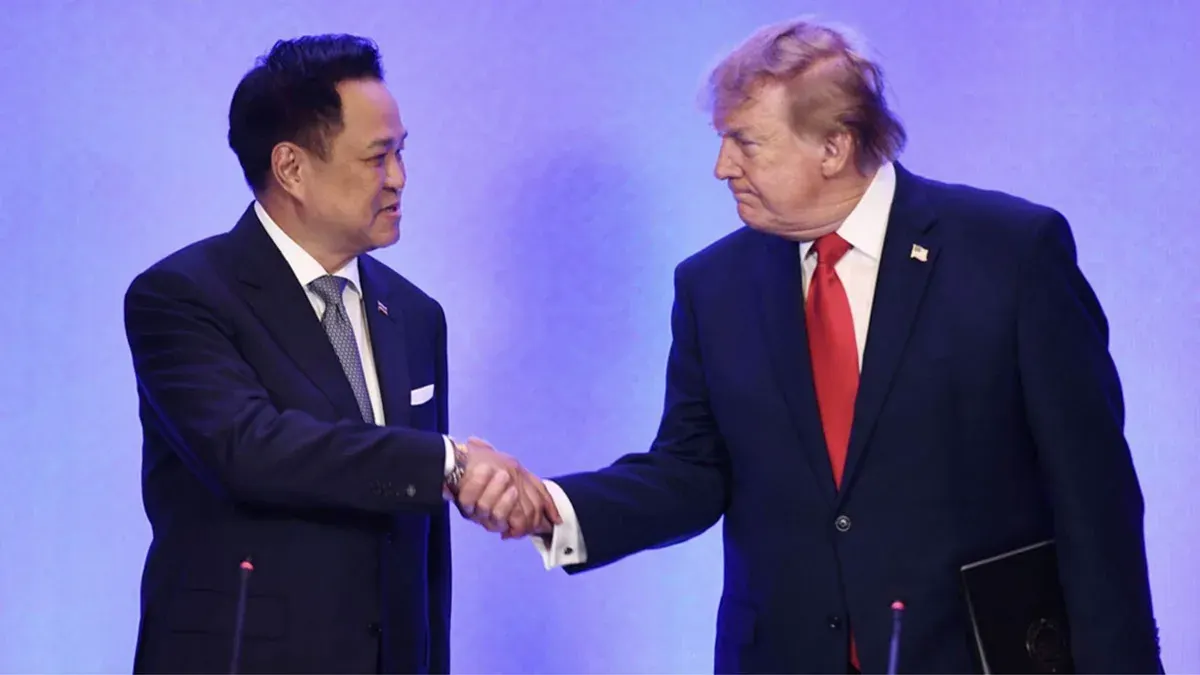
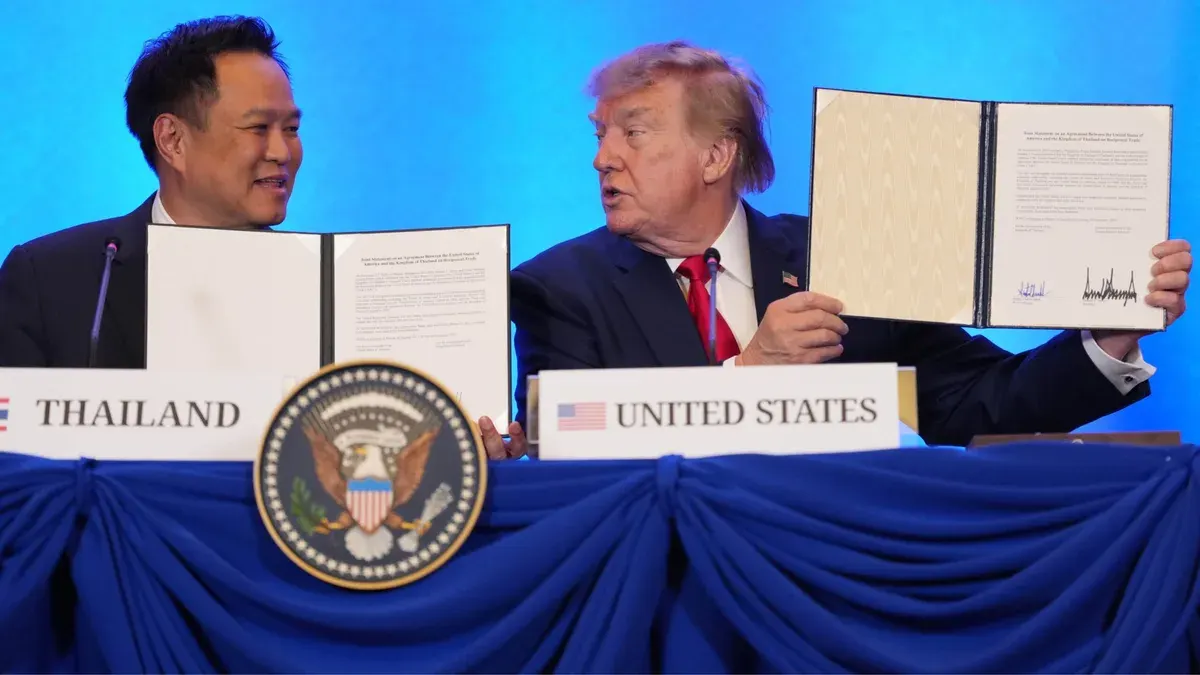
The signing of a joint statement summarizing key points of the Reciprocal Trade Agreement (ART) negotiations between US President Donald Trump and Thai Prime Minister Anutin Charnvirakul has created considerable confusion among Thais. During the signing, President Trump himself confirmed that the deal with Thailand would exempt all US imports from tariffs, including vehicles, medical equipment, pharmaceuticals, ethanol, and poultry, along with a pledge that Thailand would purchase an additional $2.6 billion in US agricultural products. When these remarks spread globally, Thai representatives were forced to rebut, stating the reports were inaccurate and did not reflect the truth. This raises the question: what is the actual truth? Why have the agreement details not been disclosed to the public? As a small nation, Thailand inevitably faces pressure to concede some benefits because the United States is a major market for Thailand, with exports exceeding 2.37 trillion baht per year. Thailand must therefore accept concessions in exchange for something — perhaps reduced US import tariffs or other conditions set in the agreement. Ultimately, who loses and who gains? It must not be that only capitalists and the upper class benefit while ordinary villagers, dark-skinned farmers, lose out — hit by market competition, falling prices, and risk of future ruin. All of this is speculation, yet it is not unreasonable to suspect the government will protect whose interests and abandon whom. The solution is to make clear exactly what the agreement details are. One understands the government may claim this is top secret and the deal is not yet final, but under the previous Pheu Thai government, when Pichai Chunhavajira was the negotiator, information still came out for the public to know. Was it only then that they could manage transparency, while now there is total silence with no information leaking out? The truth must be brought to light. Make it clear whether the government truly sees the people as important as it claims. By disclosing all details, people will know how to adapt before it is too late.