Health Ministry Finds No Chronic Arsenic Poisoning in River Communities
Thailand's Ministry of Public Health reports no cases of acute or chronic arsenic poisoning among communities living along four major northern rivers. Health surveillance will continue for at least five years alongside water and food monitoring. Officials advise using only quality-tested water sources and caution that boiling does not remove arsenic.
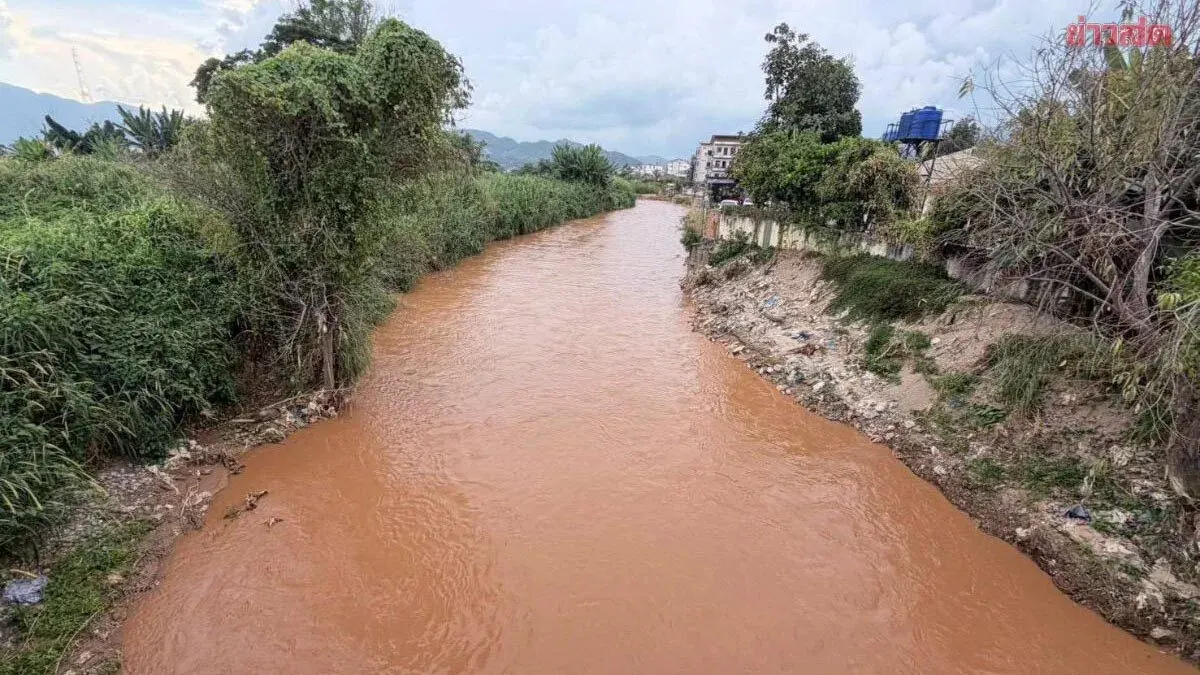
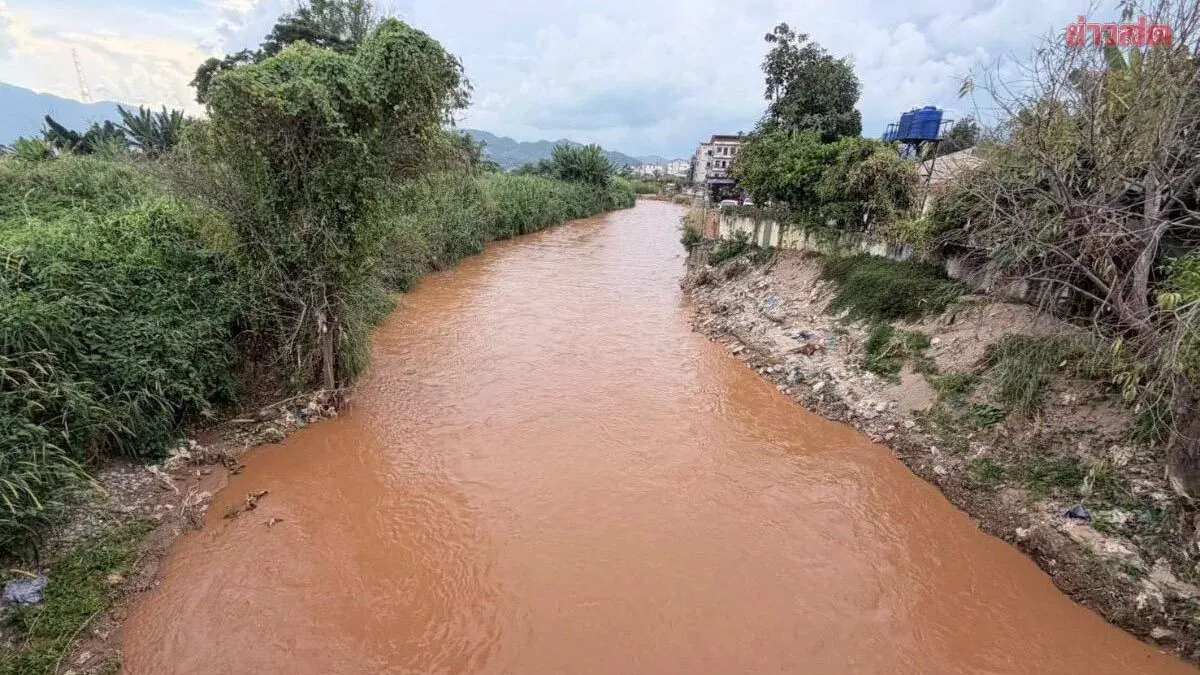
The Ministry of Public Health (MOPH) has confirmed the results of health surveillance for at-risk populations residing and working along the Kok, Sai, Ruak, and Mekong rivers. Currently, no patients with acute or chronic arsenic poisoning have been found. Dr. Somruk Chungsaman, Permanent Secretary of the MOPH, stated that the latest data from continuous monitoring of these groups shows arsenic levels have not exceeded the red level of 500 micrograms per liter, and no individuals have been diagnosed with arsenic poisoning in either acute or chronic stages. However, detecting arsenic in urine above the reference value does not mean that person is an arsenic poisoning patient. Nevertheless, the ministry has tasked local health agencies with continuing health surveillance of at-risk groups for no less than five years, alongside monitoring water and food quality, to reduce exposure and prevent long-term health impacts.
Dr. Thiti Sawangtham, Director-General of the Department of Health, explained that the health risk assessment for arsenic in water (AHRS) is divided into four levels: Green (not exceeding 10 µg/L) — passes arsenic standards; water can be used for drinking, cooking, and consumption if other quality standards are also met. Yellow (above 10 but below 100 µg/L) — avoid drinking and cooking; can be used for bathing, laundry, and cleaning with caution to avoid ingestion, especially by young children. Orange (100 to below 500 µg/L) — urgent risk management required; avoid drinking, cooking, and watering edible plants; follow health officials' advice for other uses. Red (500 µg/L and above) — prohibit all water use as a precaution and urgently provide alternative water from standard-compliant sources.
Finding arsenic in water above the 10 µg/L standard does not mean acute poisoning will occur immediately, but consumption should be avoided to reduce long-term risk. The public is urged to be aware but not panic, choose water from sources that have passed quality testing, avoid using water from river areas with reported contamination, and remember that boiling water to a rolling boil cannot eliminate arsenic.