Hospital Admits to Banquet in Infant ICU Before Baby Dies
Hospital staff held a five-table Chinese banquet in a neonatal ICU with five other newborns present and without wearing masks, a day before a premature infant died at Ang Thong Hospital in Thailand. An autopsy was ordered after the parents
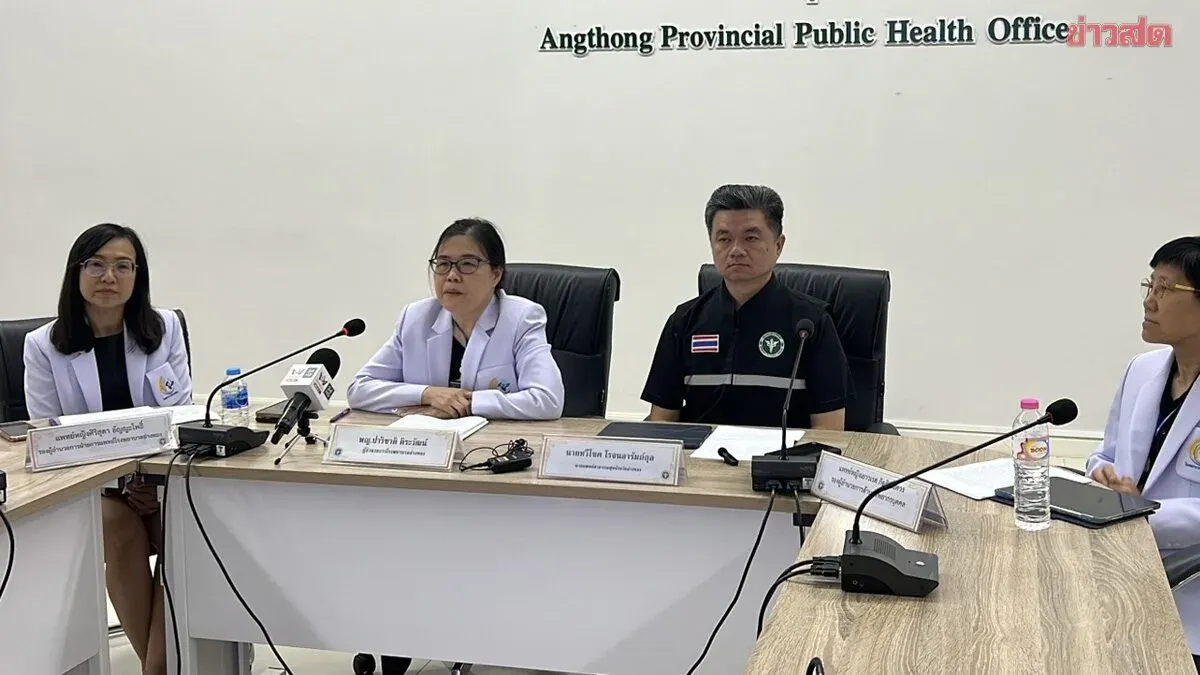
At 11:00 AM on July 27, 2025, at the Ang Thong Provincial Health Office, Dr. Thaveechoik Rojanaarumphakul, provincial health officer, along with Dr. Parichard Sirawat, director of Ang Thong Hospital, and other senior medical officials held a press conference regarding the death of a newborn. A 40-year-old father and 36-year-old mother filed a complaint with the Pavena Foundation after delivering their premature son via cesarean section. The infant weighed 4,305 grams at birth and was admitted to the neonatal ICU with a lung infection.
During the infant's treatment, the hospital held five tables of a Chinese banquet inside the pediatric ICU, with approximately five other newborns present in the same room. Staff served the banquet without wearing masks or protective equipment. The following day, July 21, 2025, the couple's infant died.
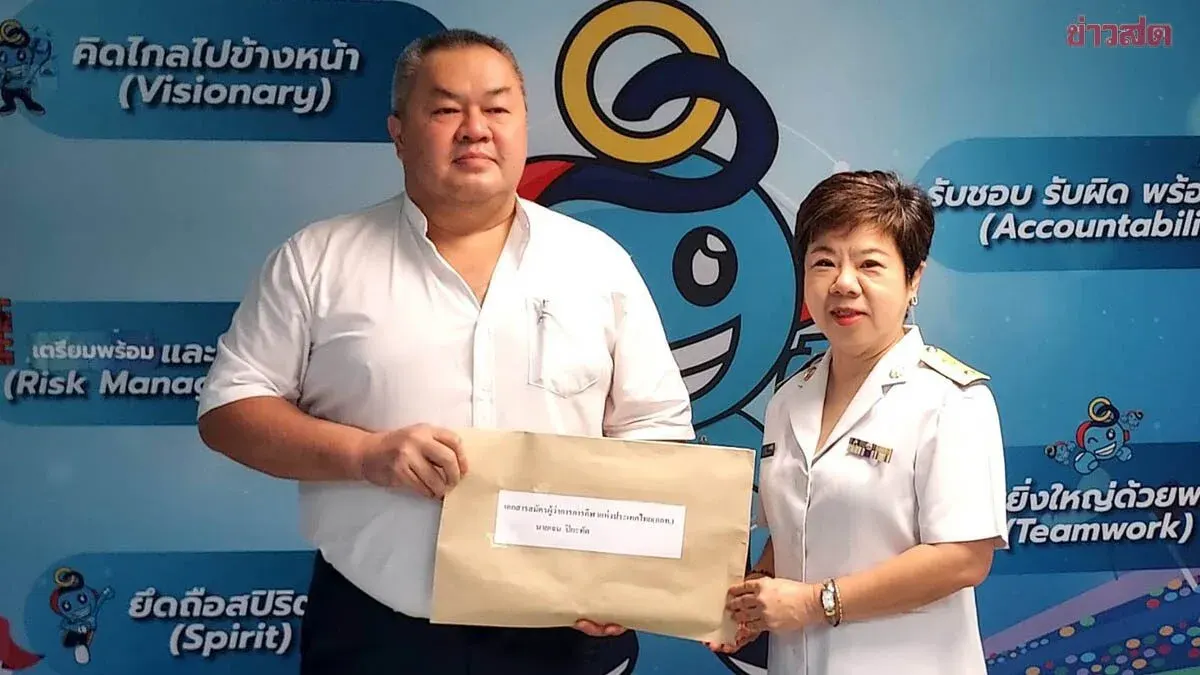
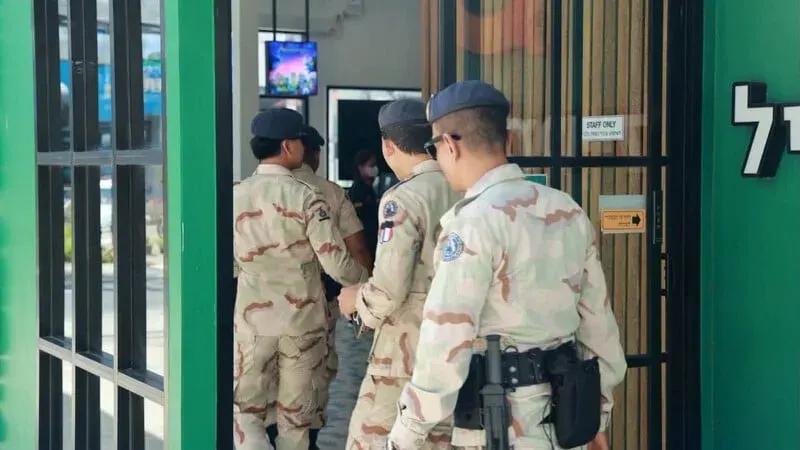
Disturbed by the death, the parents sought help from the Pavena Foundation. The Foundation coordinated with police to send the body for an autopsy at the Police Hospital's Forensic Institute. The hospital had not initially notified police to conduct an autopsy, instead telling the parents to cremate the body immediately. The mother called the foundation's emergency hotline 1134 for assistance.
Preliminary investigation findings revealed that the mother had uncontrolled diabetes before pregnancy. Prenatal records showed her blood sugar levels were consistently elevated above normal range, contributing to the infant's above-average birth weight for gestational age.
On July 16, 2025, the infant was born prematurely at 36 weeks gestation, weighing 4,305 grams, exceeding the normal weight for gestational age (Large for Gestational Age: LGA). The mother had a history of diabetes and hypertension and experienced premature rupture of membranes. These factors resulted in the infant developing persistent pulmonary hypertension (PPHIN), transient tachypnea of the newborn (TTNB), and suspected sepsis—conditions with high mortality rates.
About one hour after birth, the infant showed respiratory distress and low blood oxygen levels. The infant received standard medical treatment including medication, assisted ventilation, and close monitoring in the neonatal ICU. However, the infant's condition deteriorated according to the natural progression of the illness.