House Passes Clean Air Act, Senate Vote Scheduled Nov 30
Thailand's House of Representatives unanimously passed the Clean Air Act bill with 430 votes, forwarding it to the Senate for a November 30 vote. The joint committee accepted 54 of 92 Senate-amended articles and proposed 50 additional changes, including restructuring the Clean Air Committee with provincial governors as chairs, extending the Clean Air Fund implementation timeline by one year, and retaining pollutant disclosure requirements despite removing the PRTR provisions.
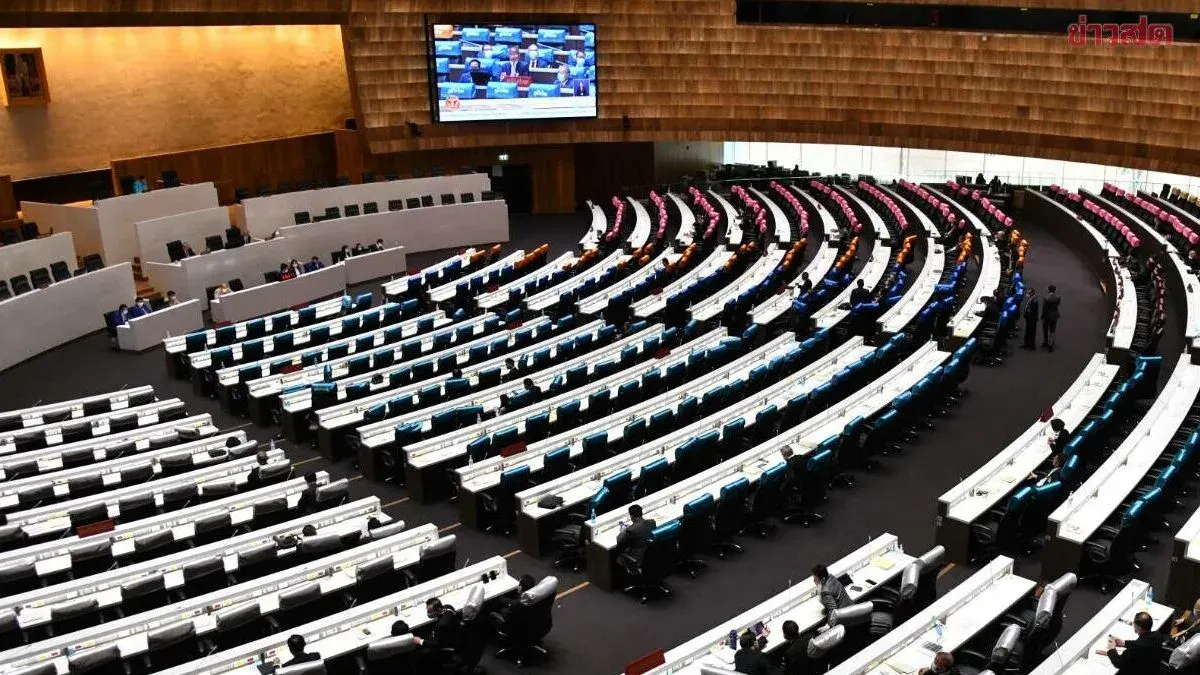
The House of Representatives unanimously approved the Clean Air Act bill with 430 votes on November 25, 2026, sending it to the Senate for a confirmation vote on November 30. First Deputy House Speaker Mallika Chirapanwanich presided over the session. Joint committee chair Anurak Chureemas, a Bhumjaithai Party MP from Roi Et, reported the panel reviewed 92 Senate-amended articles, accepting 54 and proposing 50 additional changes. These amendments extend beyond Senate revisions to include new provisions like Article 149, modifications to unamended articles such as Article 64, and wording improvements for clarity and consistency.
Key amendments include restructuring the Clean Air Committee at various levels to include appropriate business sector participation, designating provincial governors as committee chairs and Provincial Administrative Organization chiefs as vice-chairs to integrate local agency operations and strengthen local governance roles. Clean air officials must now be appointed by the relevant minister to ensure qualifications and readiness. The Clean Air Fund's enforcement timeline was extended by one year to allow agencies to establish the fund and prepare management systems, while other provisions retain original effective dates. Fee collection guidelines were reviewed to prevent duplicate charges, ensuring fairness without undue burden on the public and businesses.
Although the Pollutant Release and Transfer Register (PRTR) provisions were removed to avoid overlap with specific laws under drafting, the core requirement to collect, link, and disclose data on pollutants, chemical possession, and pollutant movement through the bill's database mechanism remains. This enables government and public access to monitoring, management, and pollution source verification data. The joint committee also refined control mechanisms for activities or projects that may cause air pollution.