Interior Ministry Defends Handling of 5,925 Exam Irregularity Cases
Deputy Interior Minister Worasidit Liangprasert defended sending 5,925 civil service exam irregularity cases to local agencies, saying each organization is performing its assigned duties rather than shifting responsibility. He stressed that
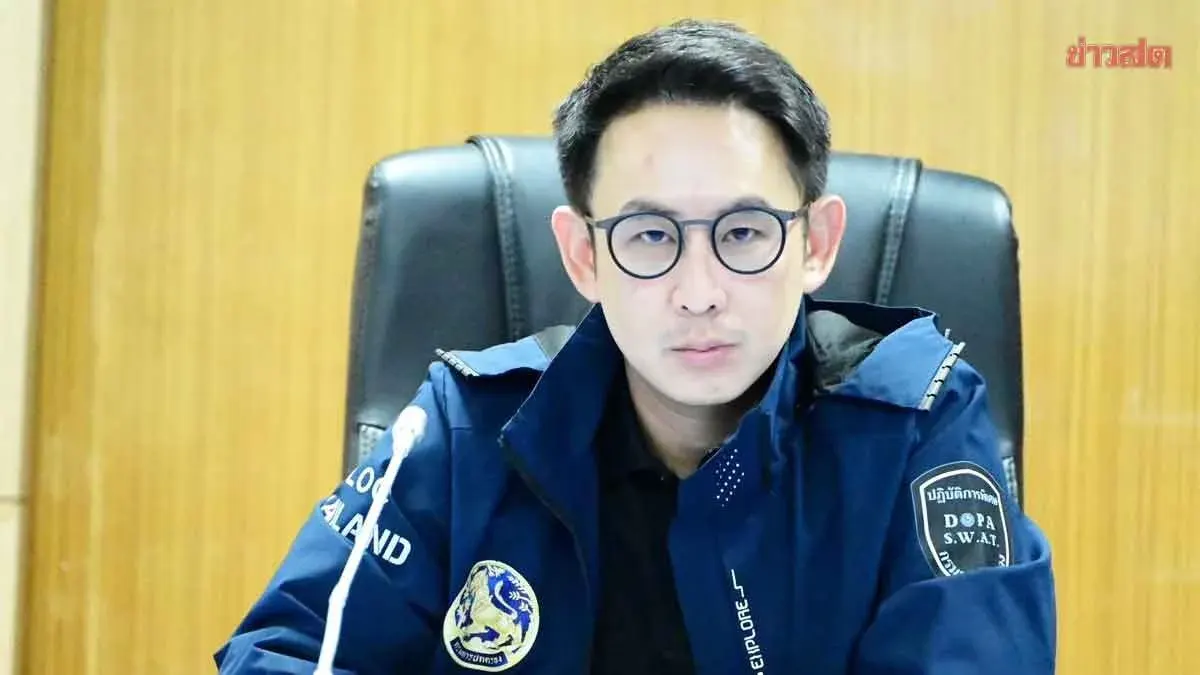
On August 17, Deputy Interior Minister Worasidit Liangprasert addressed concerns that sending the names of 5,925 civil service and local government exam candidates found to have irregularities to local administrative organizations (PAO) for action amounted to shifting responsibility. He stated this is not burden-shifting but rather each agency performing its designated duties, with the central government responsible for determining data, standards, and clear guidelines. He stressed the importance of separating the investigation of irregularities from personnel status decisions, as each step falls under different agencies' authority, and local governments are not being asked to decide who is guilty or should be removed.
Worasidit explained that the process for the 5,925 cases begins with checking data during the examination process, not at the local level. Once irregularities are found, they enter a review process by relevant committees before guidelines are set and information is sent to responsible agencies. He argued that if the central government detected score problems but took no action, people would question why the Interior Ministry left ineligible candidates in the system. However, corrections must follow proper procedures and not be based on emotion or place blame on a single party.
He noted that action against those involved must proceed on multiple fronts simultaneously: correcting the candidate registry, handling those already appointed, and referring cases to authorities with criminal investigation powers—each a separate process. He clarified that being on the list of 5,925 does not automatically make someone guilty of corruption or a criminal offence; these are people found to have exam score irregularities who must undergo proper investigative procedures.
Worasidit emphasized that whether someone committed a crime or participated in fraud must be proven through investigation and the justice system. For those appointed based on flawed scores, if investigation shows they were ineligible from the start, their status must be corrected by law, as errors or fraud in exams cannot become permanent rights in the civil service. He stated his principle clearly: whoever obtained rights improperly must be corrected; whoever passed on their own merits and was uninvolved in fraud deserves justice; and officials following orders must have clear guidelines, so innocent people do not bear the consequences of others' wrongdoing.