Interior Ministry Probes 17,500 Foundations After Charity Fund Scandal
Interior Minister Pol. Gen. Phichai Suwanchi has ordered nationwide audits of over 17,500 foundations and associations following the Maboom Panadda scandal, where a charitable foundation's funds were allegedly misused for personal gain. The inspections will verify registration compliance, operational adherence to stated missions, and financial reporting, focusing on whether public donations are properly spent. Critics argue the ministry should have acted proactively and call for strengthening state welfare agencies to reduce reliance on private foundations.
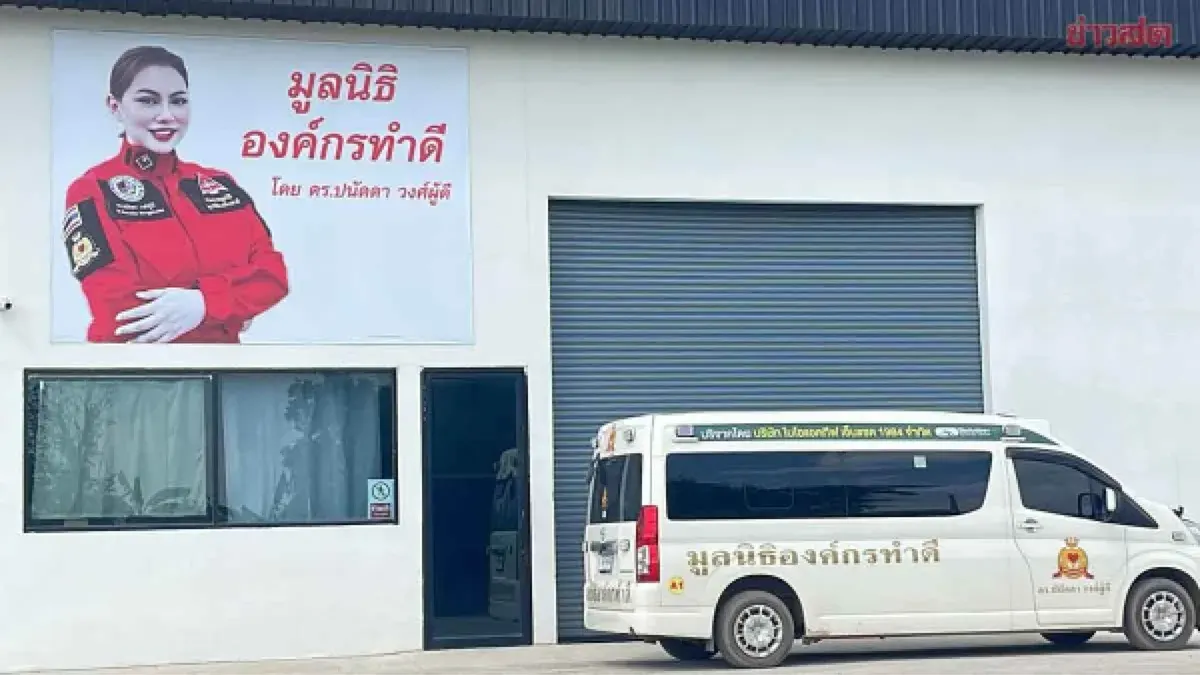
Interior Minister Pol. Gen. Phichai Suwanchi's decision to order inspections of more than 17,500 foundations and associations across the country is undeniably the right move. The audits will examine registration status, operational compliance with stated objectives, and balance sheets reported to the Department of Provincial Administration, zeroing in on whether public donations are spent properly or siphoned off for private benefit. The directive was triggered by the Maboom Panadda case, in which funds from the 'Do Good Organization' foundation were allegedly used for personal purposes rather than public welfare. The evidence appears damning — simple bank transfers with clear paper trails — making it hard to trust that other foundations maintain proper oversight of donated money.
However, questions remain about why the Interior Ministry, which registers and supervises these entities under the law, did not act sooner. The problem extends beyond a single organization. Under the guise of benevolence, some foundations exploit public sympathy — especially in the cashless era where QR-code donations flow instantly — while government agencies lag in delivering aid. Celebrity endorsements further accelerate the inflow of funds, some scraped together by struggling donors acting in good faith. The misconduct is arguably worse than that of scammers, call-center gangs, or illegal gambling sites.
It is imperative that the Ministry follows through with rigorous, tangible inspections — not just floating orders and tough talk. In the Do Good case, authorities only moved after media exposure, raising doubts about their proactive capacity. The real solution lies in strengthening state agencies so they can perform their core duties effectively, matching the taxes citizens pay each year. If the government works as it should, parasitic foundations will lose their opening. The only question is whether officials truly see the urgency of the people's problem.