Interior Ministry Streamlines Flood Relief to Cut Red Tape
Thailand's Interior Ministry is streamlining flood relief procedures to eliminate bureaucratic delays, allowing local governments to serve as a single point of contact for disaster aid without forcing residents to gather documents the state

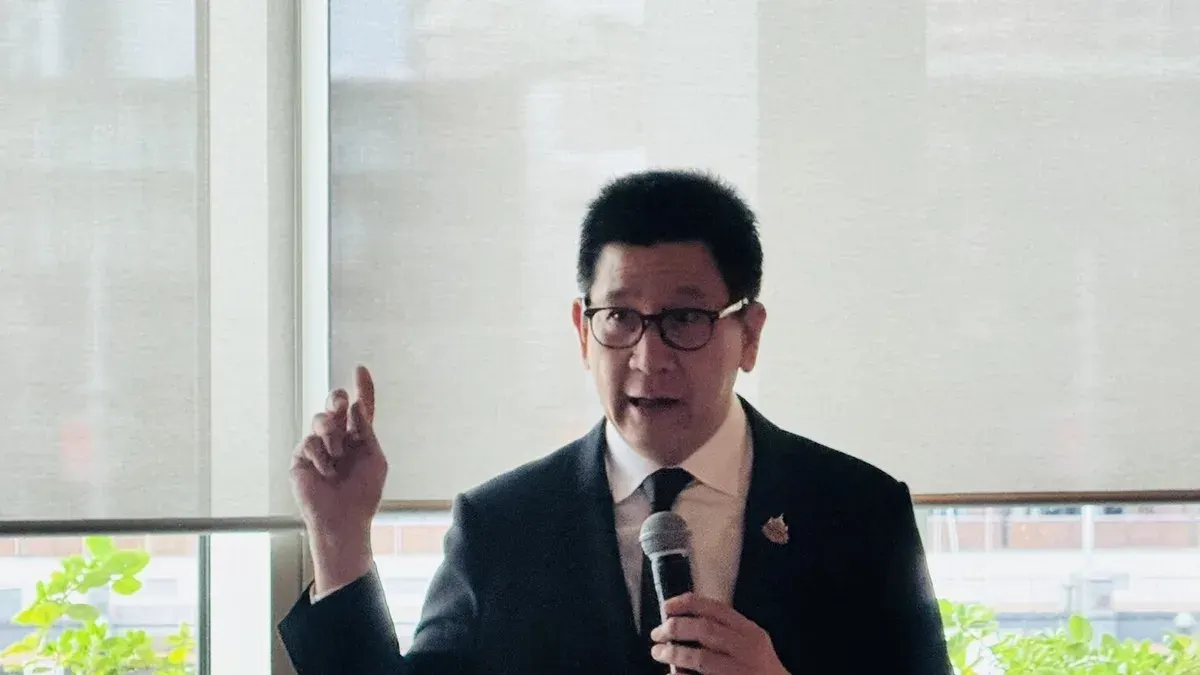
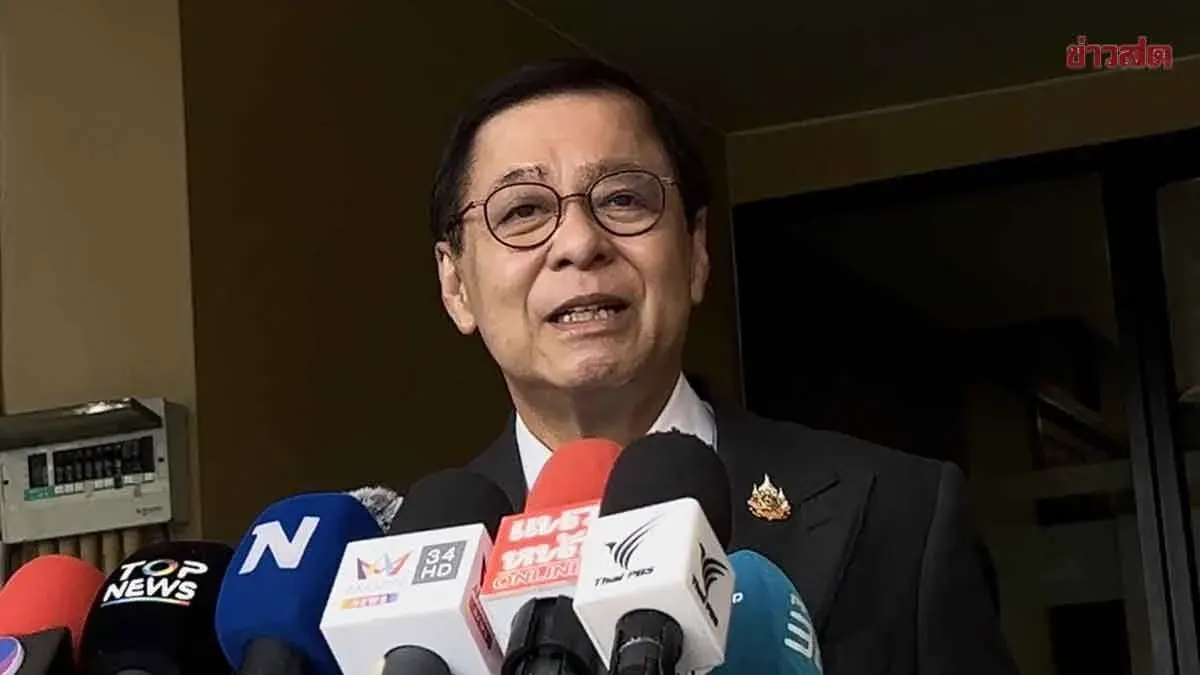
On August 24, Deputy Interior Minister Vorasit Leeangpraseert, overseeing the Department of Local Administration, said lessons from Nan's flooding show that the civil service must reduce burdens on citizens during times of distress, not add them. Local government organizations play a crucial role in receiving requests, assessing damage, and delivering aid to affected communities.
When floods strike, residents lose homes and property while families scramble for shelter. The state's responsibility is to deliver help quickly, not force citizens to make multiple trips collecting documents that government agencies already possess.
Vorasit said his department is reviewing local government procedures, particularly those involving disaster relief and victim rehabilitation, to identify which steps are essential, which are redundant, and which data can be shared across agencies. All changes must comply with legal and budgetary standards. Streamlining does not mean reducing checks, and convenience does not mean loosening controls. The system must be shorter but remain fully verifiable.
Regarding the Nan floods, the government allocated an additional 100 million baht in emergency funds and permitted certain procedures outside normal guidelines to accelerate aid delivery.
Vorasit outlined four key reforms: first, do not request information the state already holds; second, local governments must be the public's first point of contact during disasters, handling requests and coordinating help without citizens running between agencies; third, reduce steps while maintaining transparency and auditability so officials work confidently and citizens receive fair treatment; and fourth, convert temporary fixes into systemic reforms that all local governments nationwide can adopt rather than solving problems case by case.
"I want people to see local government as their true refuge during floods, fires, or disasters," Vorasit said. "They should know that walking into the local office means someone receives them, someone surveys the damage, and someone follows up—not going home with forms to collect elsewhere. During floods, people need help, not paperwork. Whatever data the state holds must be useful, unnecessary steps must be cut, and every baht must remain traceable."