Justice Ministry Screening Thaksin Amnesty Request
The user wants a short summary of the article about the Justice Ministry screening Thaksin's amnesty request. I need to follow the rules: 1-2 sentences, 120-220 characters max 240, English only, plain factual English, lead with what happene
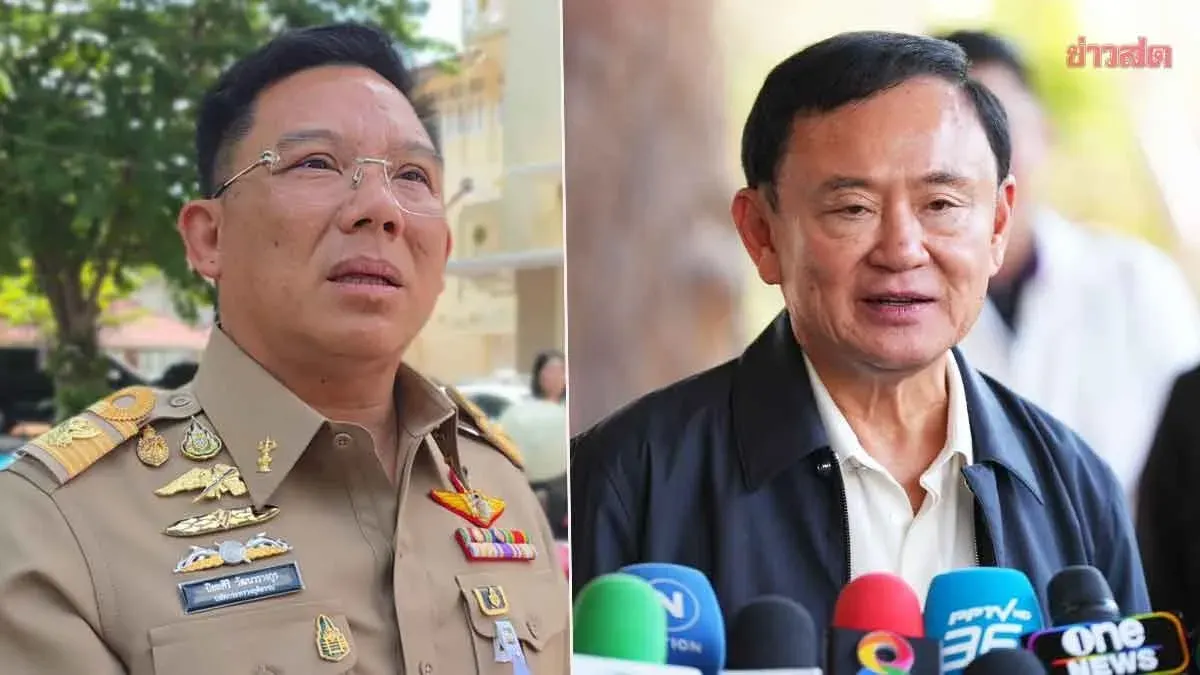
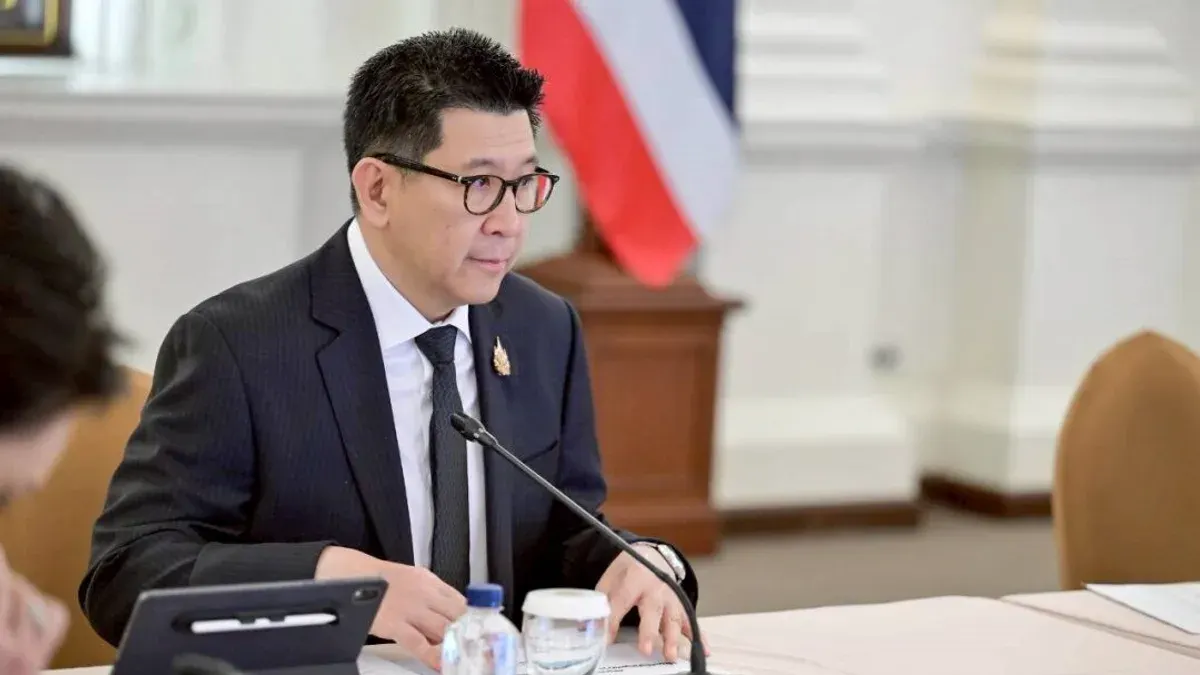
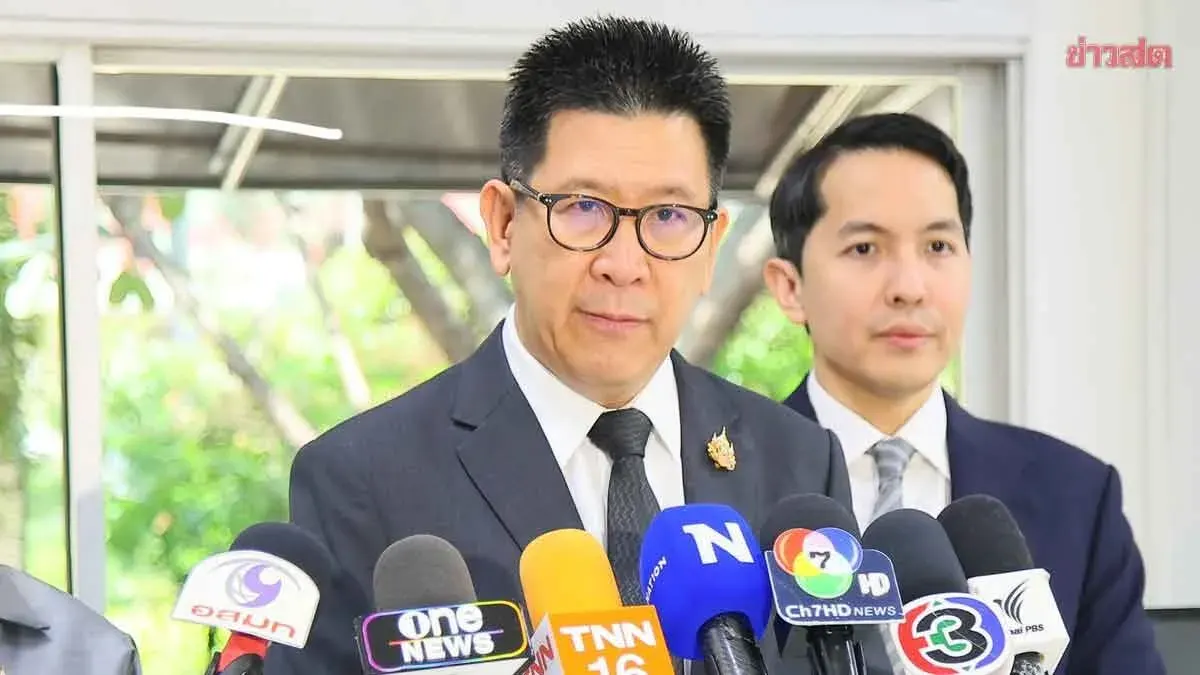
At Government House on October 26, Justice Ministry Permanent Secretary Piyaphat Wathana-worakun, in his capacity as chair of the first screening subcommittee of the Social Harmony Committee, discussed former Prime Minister Thaksin Shinawatra's petition for amnesty to clear political convictions under the Social Harmony Act. Piyaphat stated he has only seen news reports of the submission to the main committee, which has two screening panels; he chairs the first. When the case reaches his subcommittee, he affirmed it will be reviewed straightforwardly, though it has not yet arrived and is currently being compiled for consideration.
Piyaphat noted the full committee typically meets monthly and would primarily consider amnesty for assembly-related offenses or acts against the state — termed 'aho-si' in Thai — though final interpretation rests with the main committee. He stressed no cases are dismissed outright, and all petitioners, including ordinary citizens and youth, receive equal consideration, not only the former prime minister. He confirmed that passage through the screening subcommittee is mandatory before the main committee's final review, as the law clearly defines this step.
The subcommittee is under pressure to proceed quickly and strictly according to law, per instructions from committee chair Pakorn Nilprapan. Piyaphat acknowledged legal scholars hold differing views, but the subcommittee will consolidate opinions before presenting to the main committee. Regarding the number of cases against Thaksin, Piyaphat said he lacks details, but the Justice Ministry has tasked the DSI, Department of Corrections, Department of Juvenile Protection, and Department of Rights Protection to compile a full list. He noted roughly 80 percent of cases have reached the prosecution stage, requiring coordination; currently the DSI has two cases. Asked about pressure due to Thaksin's prominence, Piyaphat insisted there is none, urging the panel to view every petitioner as a Thai citizen deserving fair judgment. He added the committee's decision is likely final under the law, though petitioners retain appeal rights. Piyaphat acknowledged many political activists are linked to the law, with case numbers being gathered from the Justice Ministry, prosecutors, and police, and pledged to expedite the process if it falls under the ministry's purview.