Thailand Unveils 50,000 Baht Solar Subsidy for 1 Million Homes
The user wants a short summary (1-2 sentences, 120-220 characters, max 240) of the article about Thailand's solar subsidy program. The summary must be in English only, factual, plain English, no filler, lead with what happened then one key
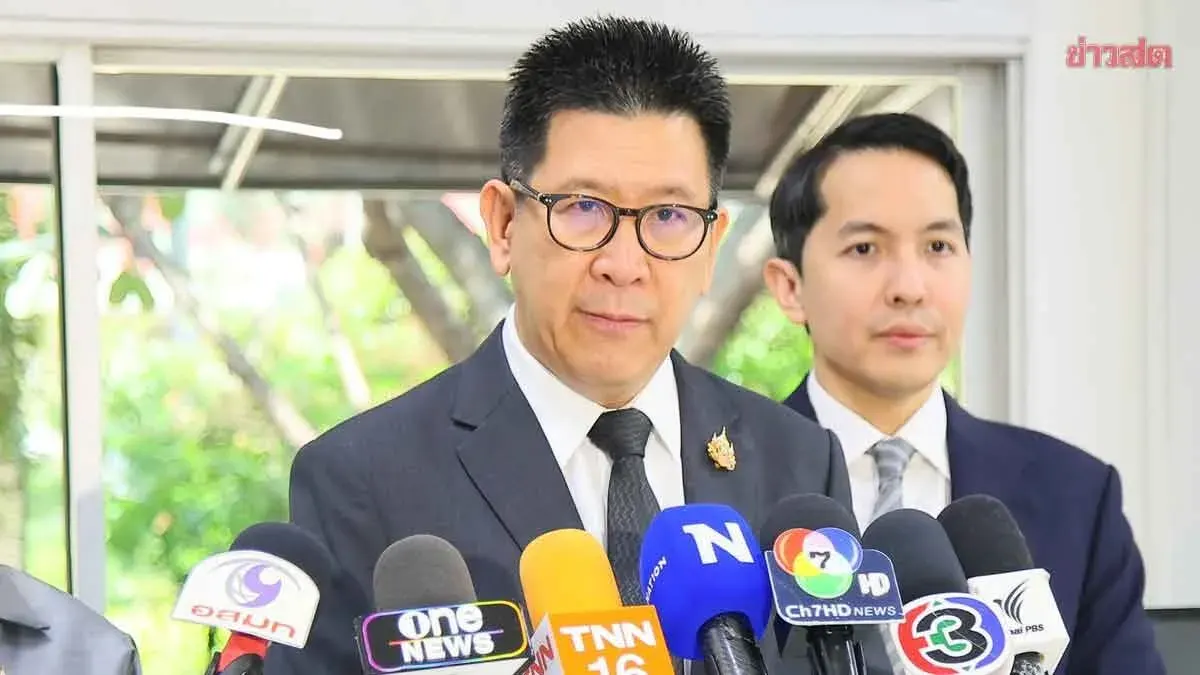
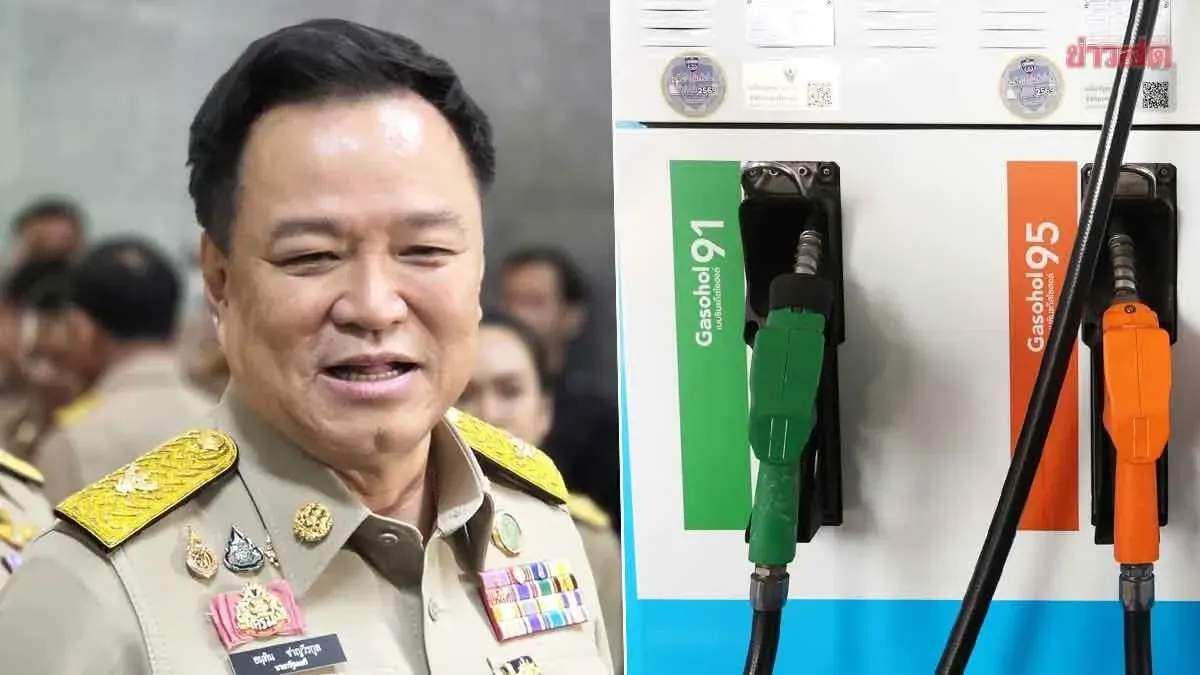
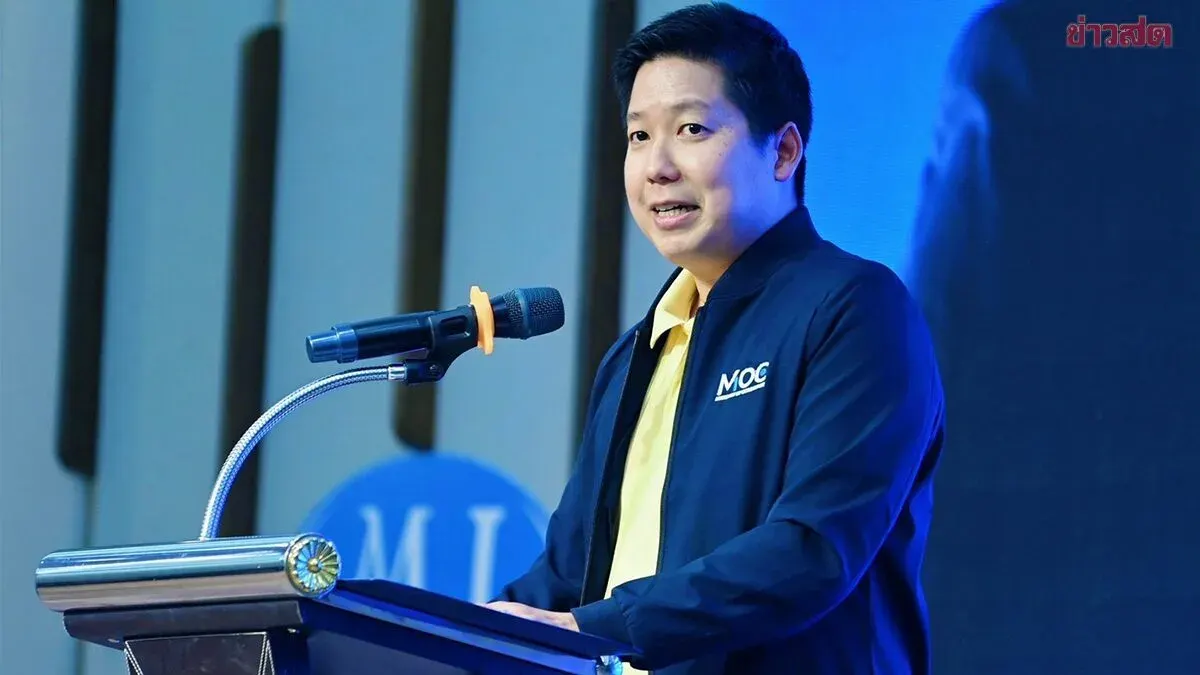
Deputy Prime Minister and Finance Minister Pichai Chunhavajira confirmed the "People's Solar" project will go to Cabinet tomorrow, injecting 50,000 baht per household for 1 million rights, pulling in three state banks to offer low-interest loans with no upfront payment. At 11:30 AM on October 26, 2026 at Government House, Pichai revealed progress on the energy transition project under the government loan framework. In the Cabinet meeting on October 27, the Interior Ministry will propose the clean energy transition project, which has already passed the Finance Ministry's screening committee, to accelerate public adoption of solar energy, reduce energy costs, and open opportunities for small households to become electricity producers selling back to the grid for income. Pichai said the project originally focused on Solar Rooftop format, but the screening committee considered public limitations comprehensively, as some homes have roof structures unsuitable for installation. Support scope was expanded to cover ground-mounted solar panels and floating solar on water sources or ponds. The government's key goal is accelerating the country's energy structure transition, as Thailand still heavily relies on oil and natural gas. Pushing domestic solar power production will tangibly reduce natural gas import burdens. For subsidies, the government will allocate direct budget support of 50,000 baht per household, targeting 1 million rights. The Metropolitan Electricity Authority (MEA) and Provincial Electricity Authority (PEA), under the Interior Ministry, will serve as One Stop Service centers for public convenience. Once Cabinet approves, public registration for rights will open immediately. Pichai said the project's key shift is changing people's role from mere electricity buyers to producers who can sell excess power back to the grid, giving small households direct income from their roofs or land. Regarding meter replacement costs, the screening committee approved budget from loans for MEA and PEA to install smart meters directly for project participants to calculate and support power feed-in, so people bear no meter replacement costs. On investment management, the government prepared comprehensive measures: those with investment capital receive the 50,000 baht directly; those without upfront funds coordinate with three state specialized financial institutions — Government Savings Bank, Government Housing Bank (GHB), and Bank for Agriculture and Agricultural Cooperatives (BAAC for farmers) — for low-interest loans to invest in solar installation. People need not put up lump sums but can use income from selling power back to repay loans later. For those who already installed solar, or don't want loans or subsidies... [content truncated]