Knee Osteoarthritis Surges in Thailand as Robotic Surgery Advances
Knee osteoarthritis affects over half of Thai seniors and increasingly younger adults, as robotic knee replacement
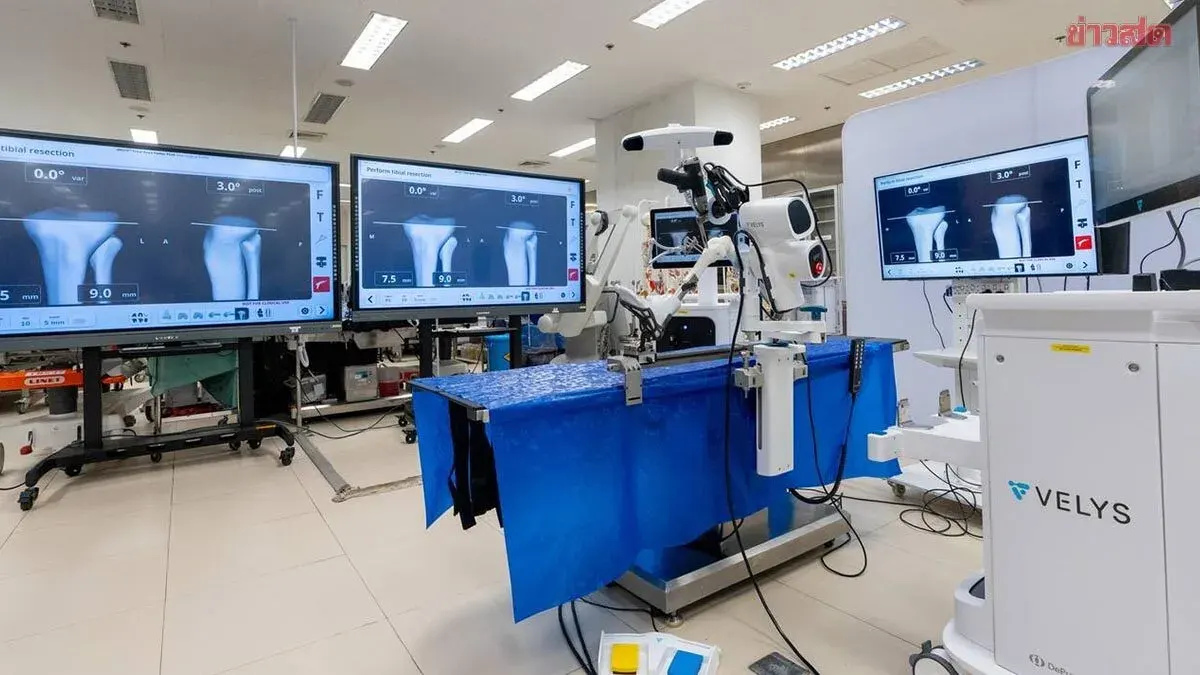
Knee pain when walking, difficulty moving, or bow-leggedness are no longer distant issues limited to the elderly. Knee osteoarthritis has become a silent threat affecting increasingly younger people, yet many dismiss it as tolerable. Without timely care, it can severely impact long-term quality of life.
A Silent Threat Closer Than You Think…Not Just an Elderly Disease World Health Organization data shows that in 2019, 528 million people worldwide had osteoarthritis, a 113% increase over 30 years. Alarmingly, knee osteoarthritis is the most common site, affecting 365 million people — 7 in 10 of all osteoarthritis cases. Of these, over 344 million have moderate to severe symptoms requiring rehabilitation or additional treatment.
A survey of 2,947 Thai seniors across six regions by Siriraj Hospital's Faculty of Medicine found that over half (53.8%) of Thais aged 60 and above have symptomatic knee osteoarthritis, affecting walking, increasing fall risk, and reducing daily functioning and quality of life. Symptoms typically begin in the late 40s to mid-50s, but can appear younger, especially in those with prior knee injuries, athletes, or those with heavy knee use.
Risk Group Checklist and Warning Signs Not to Ignore Knee osteoarthritis can be prevented and slowed with early awareness. High-risk groups include older adults, those with obesity, postmenopausal women, those with family history, people who do high-impact exercise causing knee injuries, and those with habitual heavy knee use.
Warning signs not to ignore: knee pain when walking or moving, joint stiffness, knee deformity, bow-leggedness, difficulty walking, significant impact on daily life, and loss of independent living ability. If left until severe, chronic pain may persist and non-surgical treatment may no longer suffice.
Understanding Treatment Options…When to Decide on Surgery Associate Professor Dr. Thanninit Chotnopphakhun, Director of the Bone and Joint Institute and orthopedic surgeon specializing in knee and hip replacement at Phyathai 2 Hospital, with over 20 years' experience and more than 700 knee replacements annually, states: "Knee osteoarthritis has many treatment options, which doctors consider based on severity and patient suitability. Early stages can be managed with behavior modification, weight control, muscle-strengthening exercise, physical therapy, and medication. But when these conservative treatments fail to adequately control pain or restore quality of life, total knee replacement becomes the standard procedure doctors consider to help patients return to normal life and activities."
Don't let knee pain limit your life or that of loved ones. If you have abnormal symptoms, or have close family in high-risk groups or with knee pain, consult a specialist for assessment and appropriate care planning. Surgery