Legal Committee Votes 7-0 to Summon Prime Minister
A House legal affairs committee voted 7-0 to invoke summoning powers against the Prime Minister over the non-appearance of a senior official. MP Nikorn Chamnong argues the move may lack legal basis since the Interior Minister had already ordered the official to attend, but he was occupied with flood relief duties. Nikorn warns the committee's action risks ethical violations and stresses that such powers require clear evidence and strict procedural compliance.
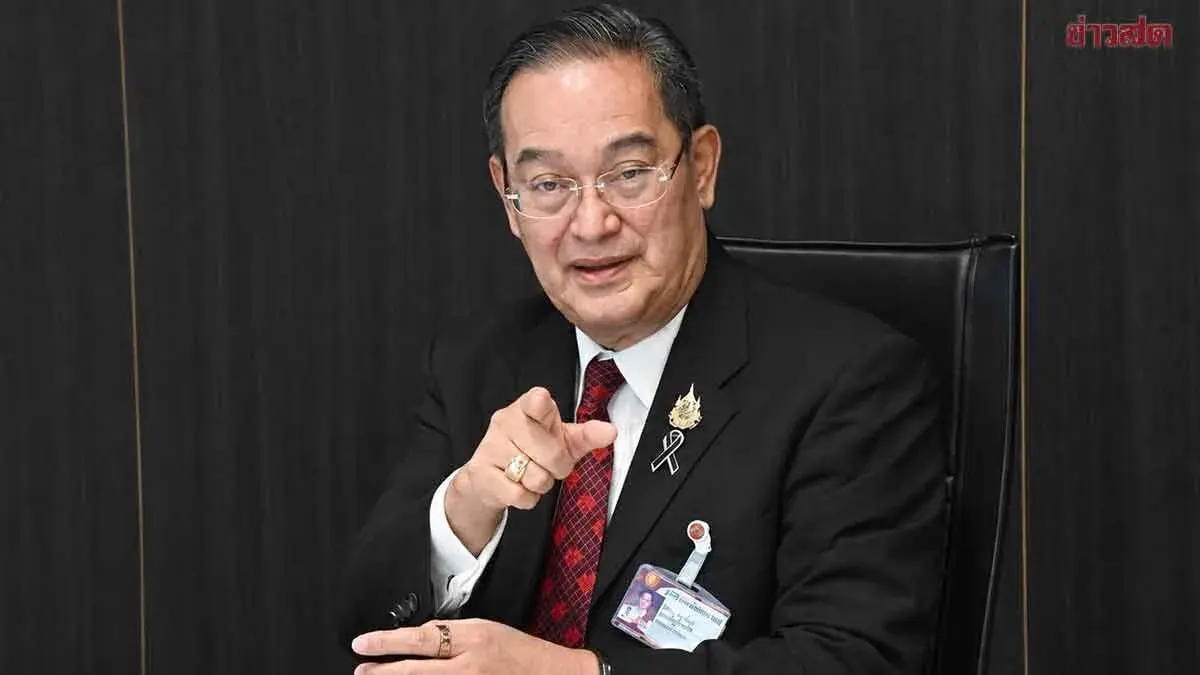
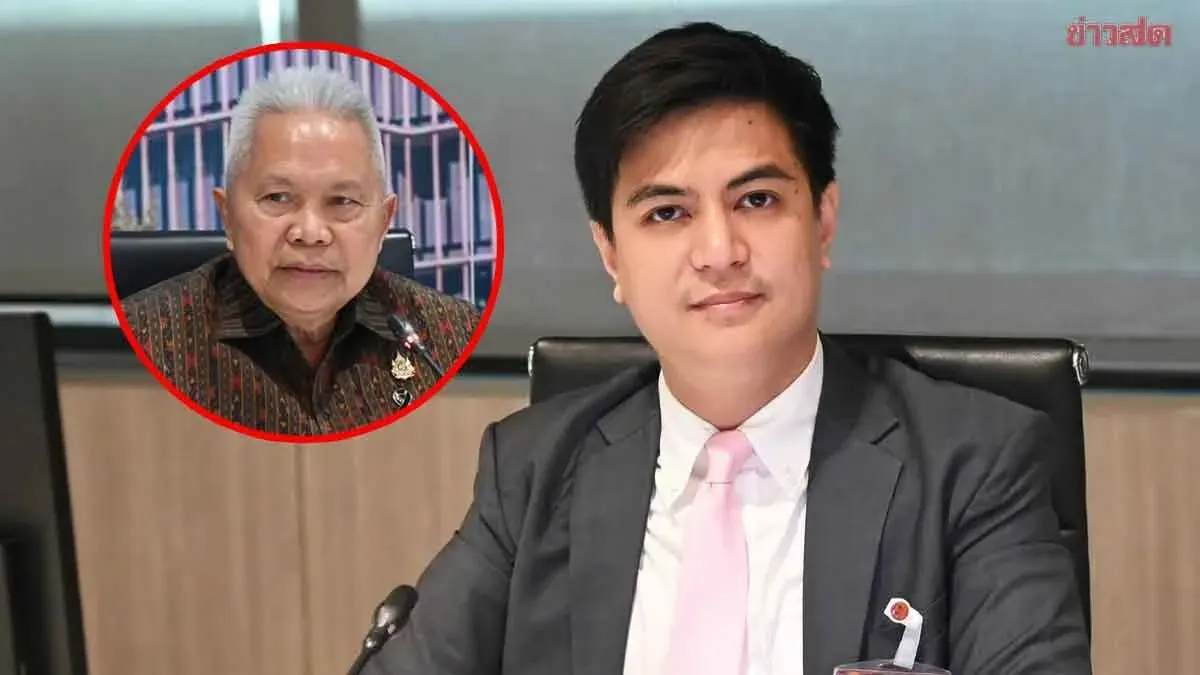
On November 8, Bhumjaithai party-list MP Nikorn Chamnong addressed the case in which the House Committee on Legal Affairs, Justice and Human Rights voted 7-0 to proceed under Article 13 of the 2025 Act on Summoning Powers against the Prime Minister. The complaint alleged that the Prime Minister or the Interior Minister did not order the Director-General of the Department of Provincial Administration to explain to the committee, and that this conduct might breach the law and the 2020 Ethical Code for House Members and Committee Members.
Nikorn noted a key fact: the Interior Minister had already coordinated for the Director-General to attend, but the official could not appear because he was engaged in flood relief operations for affected citizens, and had submitted a letter explaining the necessity on October 5. This raises doubt whether the absence was justified or a deliberate refusal to comply with the committee's summons. Concluding that the superior failed to issue an order based solely on the official's inability to attend may exceed interpretive bounds and lack sufficient evidence.
"I believe invoking Article 13 of the 2025 Summoning Powers Act must be done rigorously and with full verification — meeting procedures, the vote to summon, issuance of the summons letter, notification of justifiable reasons, and the facts surrounding the Prime Minister's or responsible minister's orders," Nikorn said. "Articles 7 and 8 set criteria for summoning individuals and cases where they cannot attend. Article 13 affects executive duties and should not be exercised on a presumption that a superior neglected duty; there must be clear facts and sufficient evidence."
Nikorn added that the committee's vote may itself raise issues under the 2020 Ethical Code, particularly Section 9 (compliance with law and meeting rules), Section 11 (upholding correctness and justice without bias), Section 12 (respecting others' rights and freedoms, avoiding demeaning or harmful words or actions), and Article 12 of the Summoning Powers Act (ethical liability for committee members who perform or omit duties dishonestly or corruptly).
He emphasized that the committee is a vital legislative mechanism for scrutinizing state administration and seeking truth for the nation and people. Its power must be exercised with neutrality, integrity, transparency, and accountability. Parliamentary mechanisms should not be used to create pressure or as tools for political battles, as this could undermine the House's credibility and public trust.
Nikorn stated he does not oppose government oversight and fully supports the committee's authority to summon individuals or state officials to explain according to law, but believes such power must remain within a proper framework.