Minister Questions Legal Committee's Authority to Summon PM
Minister Pharadorn Prisananantakul challenged the Legal Committee's authority to summon the Prime Minister, arguing that committee chairs lack individual summoning power under parliamentary regulations. He dismissed accusations of a 'blue dictatorship' as political theater ahead of the upcoming no-confidence debate scheduled for December 7-11.

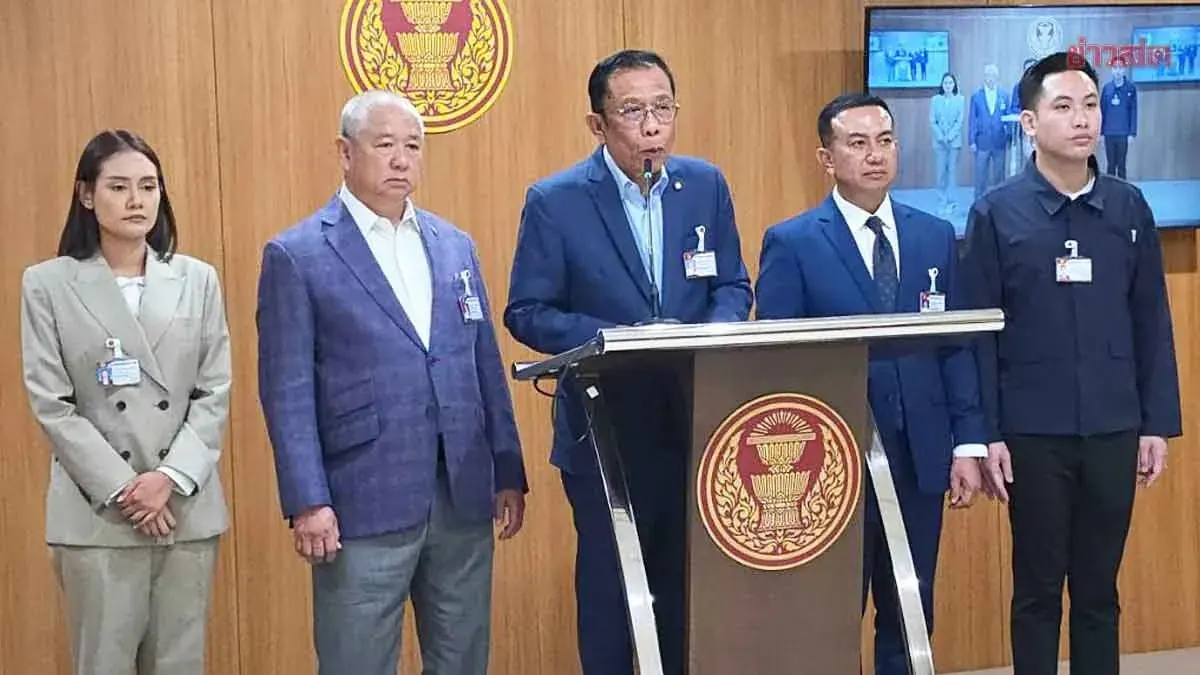
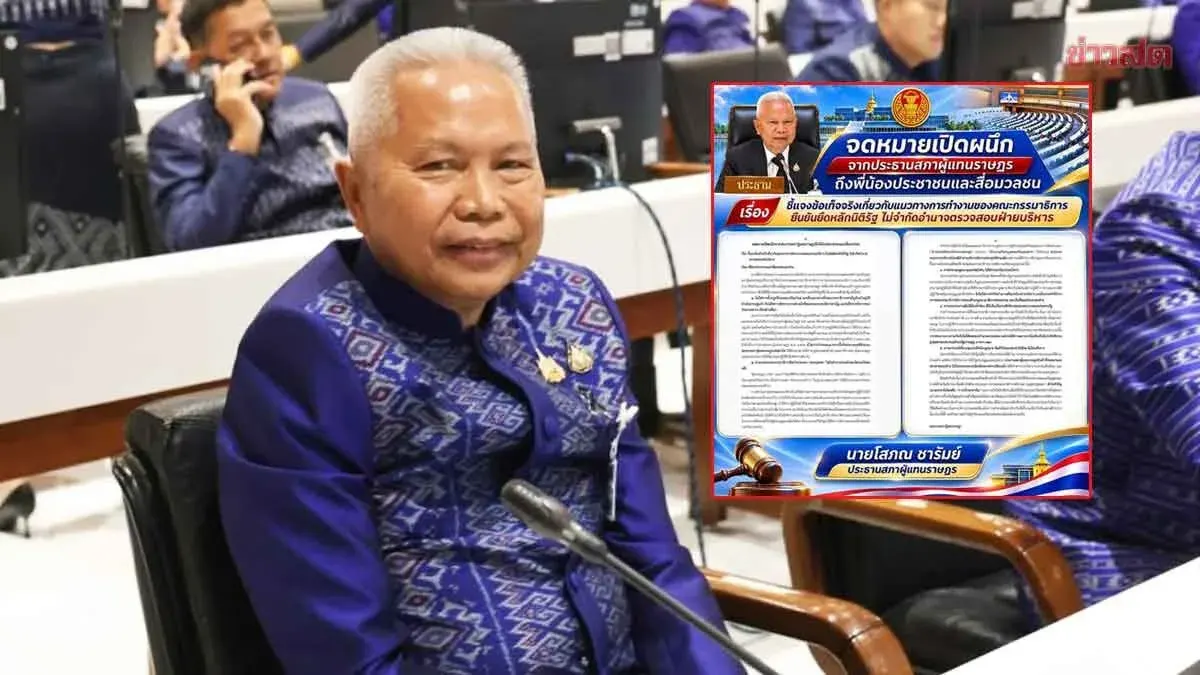
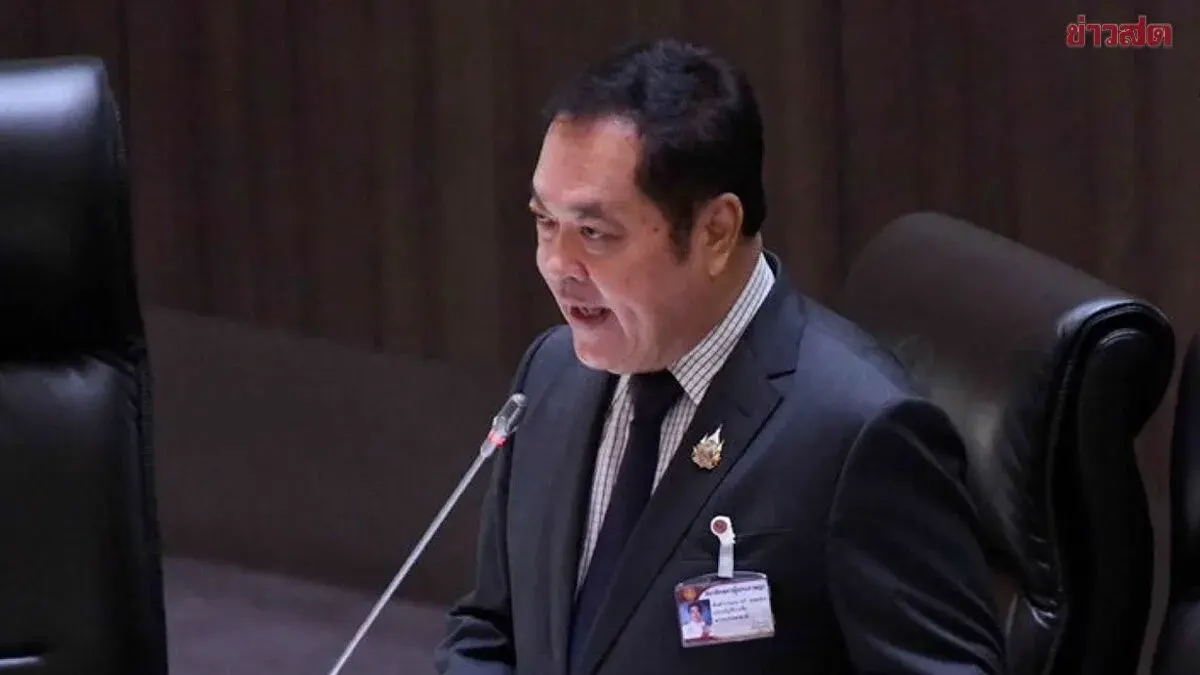
At 11:10 a.m. on November 6, 2026, at Government House, Minister attached to the Prime Minister's Office Pharadorn Prisananantakul addressed the case where House Speaker Wan Muhamad Noor Matha issued regulations requiring the chairs of 35 parliamentary committees to obtain committee resolutions before summoning individuals for clarification. This has been interpreted as an executive encroachment on the legislature. Pharadorn stated this is nothing new, as it follows existing regulations and the constitution. Normally, when a committee considers an issue, regulations clearly grant the committee the power to summon, but do not grant the committee chair individual authority to summon. He views this as a clear distinction. Regarding the belief that the Speaker has agenda-setting power, Pharadorn agreed but noted the Speaker's agenda must have prior approval from the House meeting. Before setting the agenda, the Speaker must consult with whips from both sides to agree on which items to consider each week. This means the Speaker has actual agenda-setting power, but consideration of matters belongs to the House. For example, a royal decree must be proposed to the House meeting for a resolution on whether to defer or change the agenda. The Speaker cannot direct the House to prioritize items at the bottom of the agenda. Pharadorn said the same applies to committees. By past practice, committees deliberate before setting agenda items for the following week. This is convention because even though the power belongs to the committee chair, they must seek committee approval. If there are disagreements, a vote is required, just like in the House meeting. Committee regulations mirror House meeting regulations. If the meeting agrees, the chair can set the agenda. That is the principle. Therefore, the Speaker's letter is a practice guideline following regulations and the constitution, and does not grant the Secretary-General of the House any conditions beyond the regulations. When asked about criticism that this amounts to a 'blue dictatorship' swallowing the legislative branch, Pharadorn said a real 'blue dictatorship' does not exist. The Prime Minister or his party leader has already said there is no blue dictatorship, only a blue party. He has consistently said the 'blue regime' is merely rhetoric. Today it is raised frequently as warm-up before the no-confidence debate, the so-called 'entertainment democracy,' so he thinks this period is their warm-up before the show they will perform on December 7-11. He reiterated there is no blue regime. When asked about the Legal Committee's 7-0 vote to summon the Prime Minister under the Royal Decree on Summoning Powers, whether this cannot be refused, Pharadorn said who the committee summons is the committee's right. However, summoning someone for clarification must be a joint committee resolution. But they must summon for clarification.