Locals Commemorate 119th Birth Anniversary of Monk Luang Pho Ploem
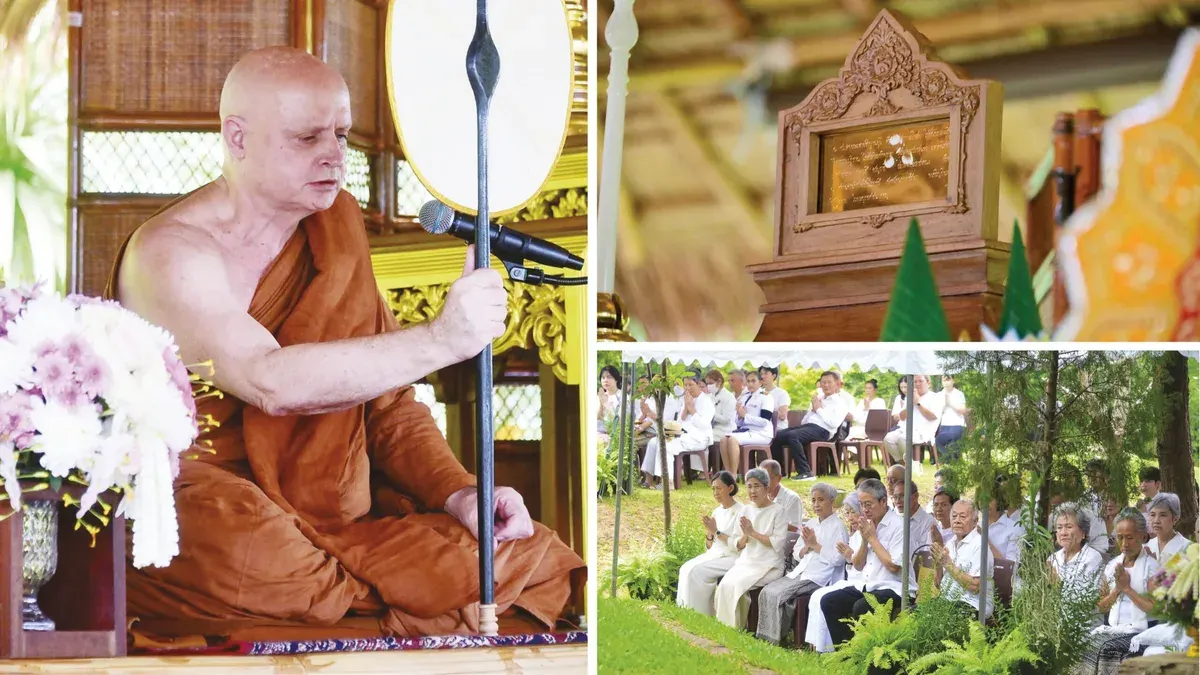
The community of Bang Pla Ma in Suphan Buri marked the 119th birth anniversary of the revered monk Luang Pho Ploem Chittasannato, former abbot of Wat Suan Hong. He is remembered for his dedication to monastic education, flood‑control work at the temple, and support for local schools and traditional boat races. Many disciples attended the ceremony, honoring his lifelong service to religion and society.
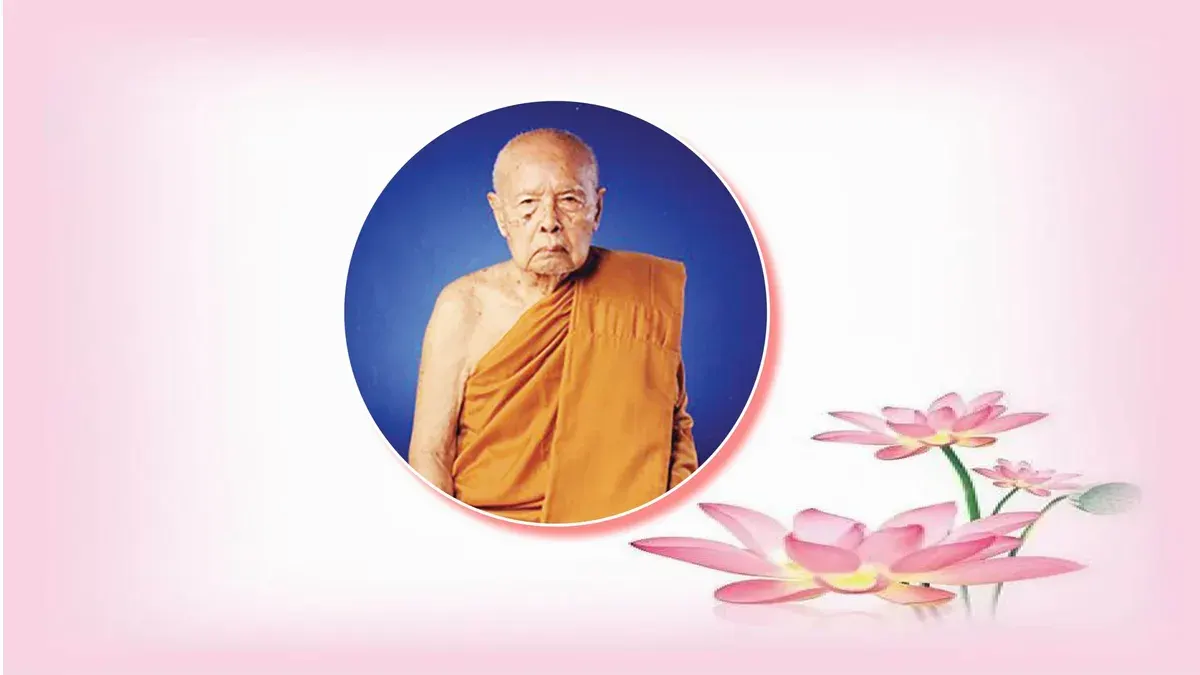
His keen interest in study and diligence enabled him to pass the four‑section Pali exam in 1931, after which he was appointed as a Pali grammar teacher at Wat Mahathat. He was later sent to help teach at Wat Chao Jed and Wat Kok Thong in Ayutthaya, where he met the lay teacher Jab Suwan, who instructed him in vipassana meditation for about four years. He then travelled to various temples seeking solitude for practice. In 1941 he stayed at Wat Klai in Krang Kao, Ayutthaya. In 1945 he spent roughly four months at Wat Tham Tako on Khao Samor Kong in Tha Wung district, Lopburi, before entering the rains retreat at Wat Mahathat. In 1946 he observed rains retreat at the forest sanctuary of Khao Phra in U Thong district, Suphan Buri, then moved to Wat Khwang in Bang Pla Ma before relocating to Wat Prasat Thong in Mueang Suphan Buri. In 1948 he was appointed provincial Vinayaka, overseeing monastic discipline in seven districts. On 27 July 1948 he was installed as abbot of Wat Suan Hong and as sangha leader of Kho Khram subdistrict. In 1951 he received the status of preceptor. On 5 December 1959 he was granted the royal title Phra Khru Sumanakhara, a special ceremonial fan, the first of its kind for Wat Suan Hong and also the last edition of that series. Wat Suan Hong is an ancient temple mentioned in King Rama II’s Nirat Suphan Buri by the poet Sunthorn Phu, built around 1836 CE (2379 BE). Local legend says a wealthy couple named Suan and Hong from Khuangkhram built the temple. Luang Pho Ploem served as the fourth abbot, developing the temple and its surrounding community. He raised flood‑prone grounds, planted shade trees, and organized the temple grounds to be welcoming. Education was his foremost concern: monks and novices regularly passed Dhamma examinations, and he supported the schooling of village children, chairing the construction of a primary school building and leading cloth‑donation campaigns for local schools. He also patronized the traditional long‑boat race for the royal trophy presented by Princess Maha Chakri Sirindhorn. His compassion attracted many disciples, both ordinary laypeople and those he personally cared for.