Mae Sai Residents Buy Bottled Water as River Pollution Persists
Heavy metal and chemical contamination in the Sai River has left Mae Sai residents distrustful of tap water, driving them to buy bottled water from outside the region. Farmers report difficulty selling crops and face price cuts from middlemen, prompting demands for government action, including rapid testing, targeted compensation, and cross-border pollution control.
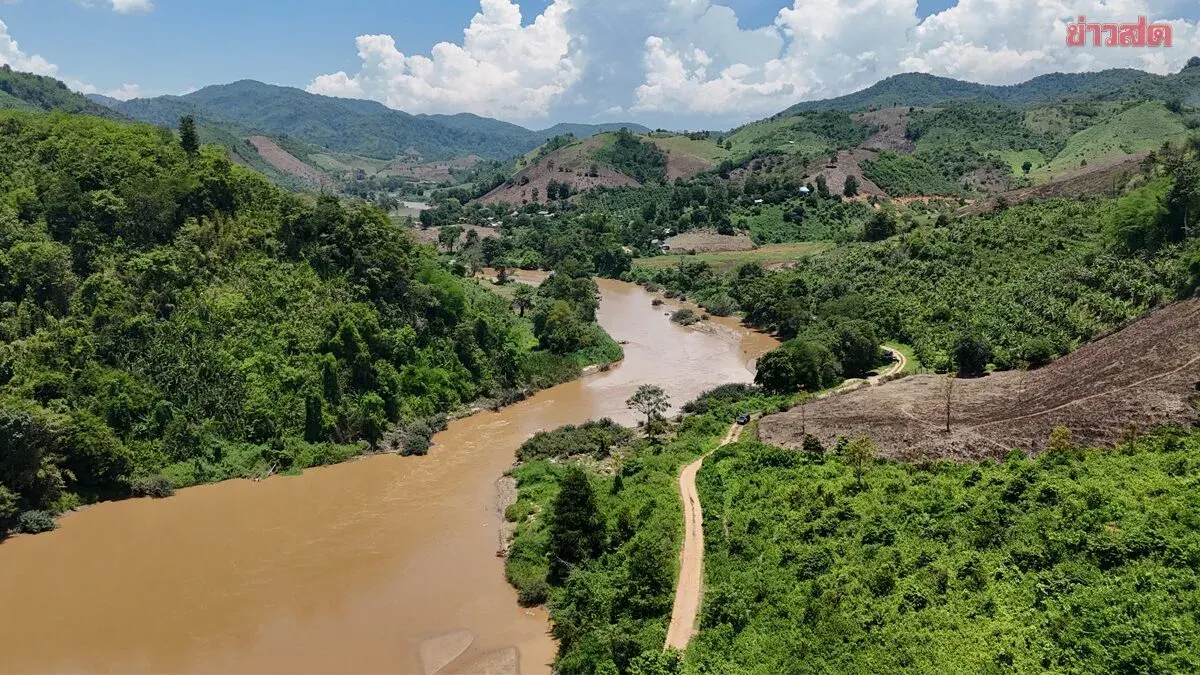
Residents of Mae Sai district remain distrustful of tap water despite official assurances, opting to purchase bottled water from outside the area. Meanwhile, farmers face price suppression from middlemen for rice and other crops due to contamination fears.
November 27, 2026 – The problem of heavy metal and "rat poison" contamination in the Sai River in Mae Sai district, Chiang Rai province, continues to cause alarm among locals and farmers. Of particular concern are health risks from consuming water, as well as the safety of vegetables and agricultural products exposed to pollutants. Additionally, farmers are struggling to sell their produce and are being forced to accept lower prices. They are urging the government to quickly release scientific test results, designate risk zones, provide compensation, and address the cross-border toxic pollution at its source to restore confidence and reduce long-term impacts on livelihoods.
Jiravat Sasang, 63, a resident of Ban Tham Pha Chom, revealed that his home is 300 meters from the Sai River, near a canal that diverts river water into the community and farmland. Although authorities confirm the tap water meets production standards, his family remains unconvinced. They have installed additional water storage tanks and filtration systems for bathing and cooking, while drinking water is purchased in bottles and jugs from factories outside the affected area that meet safety standards.
Udom Chantawong, president of the Chiang Rai Farmers Council, stated that the cross-border toxic pollution was not caused by farmers, yet they bear the direct brunt on their livelihoods and the food chain. Agricultural products are difficult to sell, and middlemen are exploiting the situation to depress prices. For example, damaged paddy rice is being bought at 3 baht per kilogram less, and at times purchases are halted altogether. No agency has taken responsibility. He proposed that the state urgently survey affected areas to provide targeted compensation, not blanket payouts, and establish laboratories capable of delivering contamination test results within seven days, along with safety certificates for farmers and buyers to rebuild confidence. The government must tackle the problem at its source, not just treat the symptoms.