SC Asset Expands Green Building Standards Nationwide by 2029
SC Asset Corp has earned LEED Gold certification for a prototype house at its Grand Bangkok Boulevard Borommaratchachonnani project, showcasing energy efficiency, sustainable materials, water savings, and healthy indoor air quality. The developer plans to roll out its SC Green Mark standard across all property types — including low-rise homes, high-rises, offices, warehouses, and hotels — nationwide by 2029.

SC Asset Corp announced that the prototype house at its Grand Bangkok Boulevard Borommaratchachonnani development has achieved LEED Gold certification under the LEED v4 BD+C: Homes and Multifamily Low-rise rating system from the U.S. Green Building Council (USGBC), the globally recognized authority on green building standards. Sudarat Charoenketmongkol, Senior Vice President of Sustainable Corporate Development, said the certification validates SC's commitment to environmental quality and resident wellbeing, alongside the company's push to elevate its SC Green Mark standard across the full portfolio.
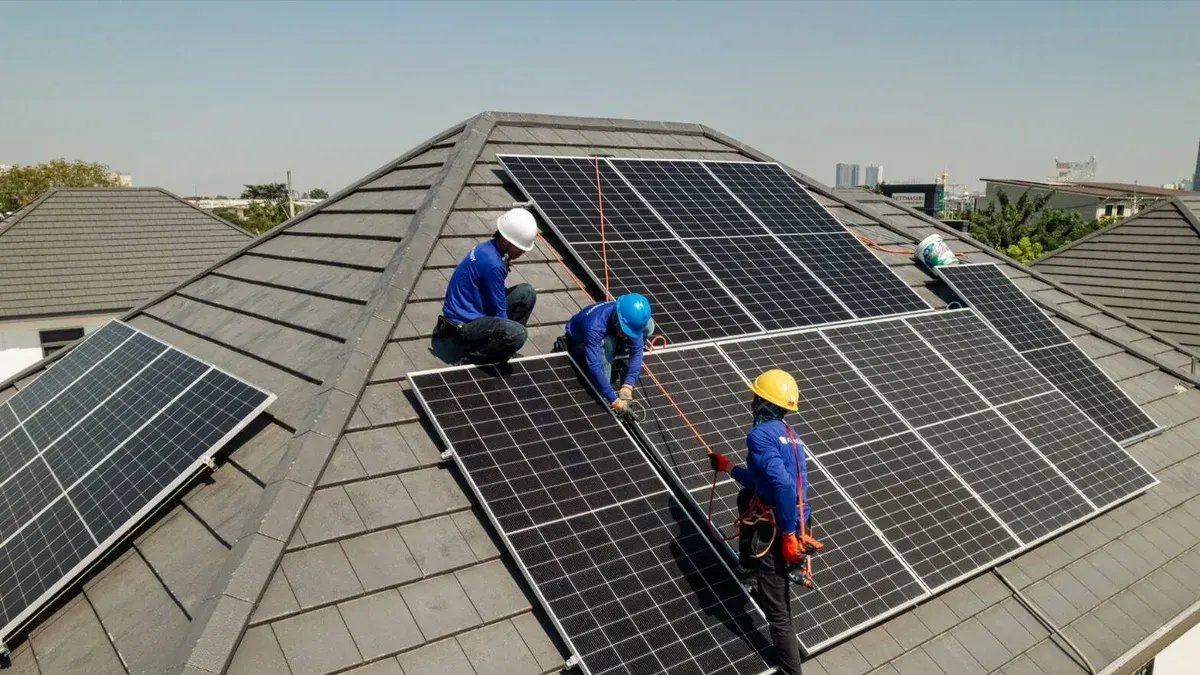
The prototype house incorporates seven key environmental criteria aligned with LEED Gold: energy efficiency, sustainable materials, water conservation, indoor air quality, innovation, transportation access, and site management. Energy-saving measures include low-emissivity glass with solar-control film and a real-time smart energy monitoring system that lets residents track and optimize electricity use by circuit. Construction materials emphasize durability and recycled content — concrete with 50% fly ash, steel with recycled content, and FSC-certified timber — while low-flow sanitary fixtures reduce water consumption.
Indoor air quality is addressed through ERV ventilation meeting ASHRAE 62.2 standards, bathroom exhaust fans, and low-VOC paints, sealants, adhesives, flooring, and insulation. The homes are EV-charger ready with energy monitoring and carbon monoxide sensors, and the location provides access to eight essential amenities within 800 meters to reduce car dependency. Site management includes heat-reflective roofing, ecologically appropriate landscaping, and strict dust and pollution controls during construction.