ION Energy Urges Faster Solar Grid Connections for Million-Home Policy
ION Energy is calling on the Thai government to slash the grid-connection approval time for rooftop solar from as long as six months to the promised seven days, saying the bottleneck is stalling the one-million-household solar policy and locking up installer capital. CEO Peerakarn Manakij also urges clearer incentives that combine installation subsidies, better feed-in tariffs, and battery storage support, noting that battery adoption among the company's customers has surged to nearly 40%. The firm targets 600 million baht in revenue next year as it expands in the residential market.
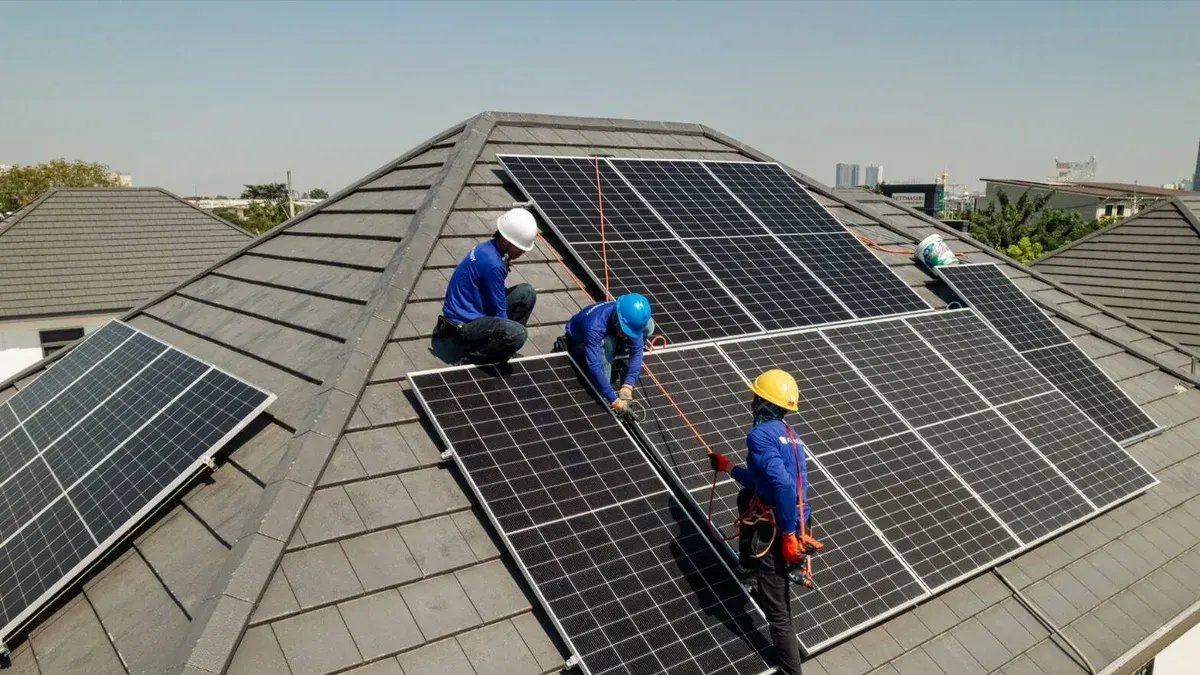
ION Energy is urging the government to resolve the permitting bottleneck that is hindering the one-million-household solar policy. CEO Peerakarn Manakij says that while rooftop installations can be completed in two to three days, grid-connection approval can drag on for up to six months, leaving installers with stranded costs for equipment, labor, and a 50,000-baht deposit required under the household solar support scheme. "The contractor finishes the job, pays for the equipment, and completes everything, but still has to wait for documents from agencies outside our control," Peerakarn said. He acknowledges that safety inspections are essential, especially for isolation during grid maintenance, but argues the process must be faster and more efficient. Delays encourage some installers to skip permits, putting compliant firms at a cost disadvantage. ION wants the government to add staff and streamline procedures to meet the seven-day target.
Incentives should be clear and consistent from the start. Previous measures — a 200,000-baht tax deduction and a separate 50,000-baht subsidy — caused confusion because households were later told they could choose only one. Peerakarn proposes support covering installation, excess power buyback, and batteries, along with a more attractive feed-in tariff. Currently, households sell power at 2.20 baht per unit but buy at about 4 baht.
Customer demand is shifting toward battery energy storage systems (BESS) for nighttime use as battery costs fall. The share of ION's customers adding batteries with solar jumped from 1-2% in 2025 to nearly 40% in 2026, and the company expects batteries to be a key market over the next one to two years, urging the state to consider additional support. Homes with monthly electricity bills of 5,000-10,000 baht or more are the primary candidates, though daytime versus nighttime usage patterns matter. A typical solar system costs about 200,000 baht, with a battery adding roughly 150,000 baht, leading some to install solar first and add storage later. Peerakarn estimates a pure sell-back-to-grid system would take nearly ten years to break even. Lithium-ion remains the dominant battery chemistry, while sodium-ion and saltwater batteries are under development and may suit stationary applications better than electric vehicles due to energy-density and weight constraints.
ION Energy is targeting 600 million baht in revenue next year as it expands its residential market push.