Thailand Pushes Rooftop Solar to Turn Citizens Into Power Producers
Thailand is simplifying rooftop solar installation permits and allowing citizens to sell excess power back to the grid at fair rates, with plans to expand the program from 100 to 10,000 megawatts to boost energy security and reduce fuel imp
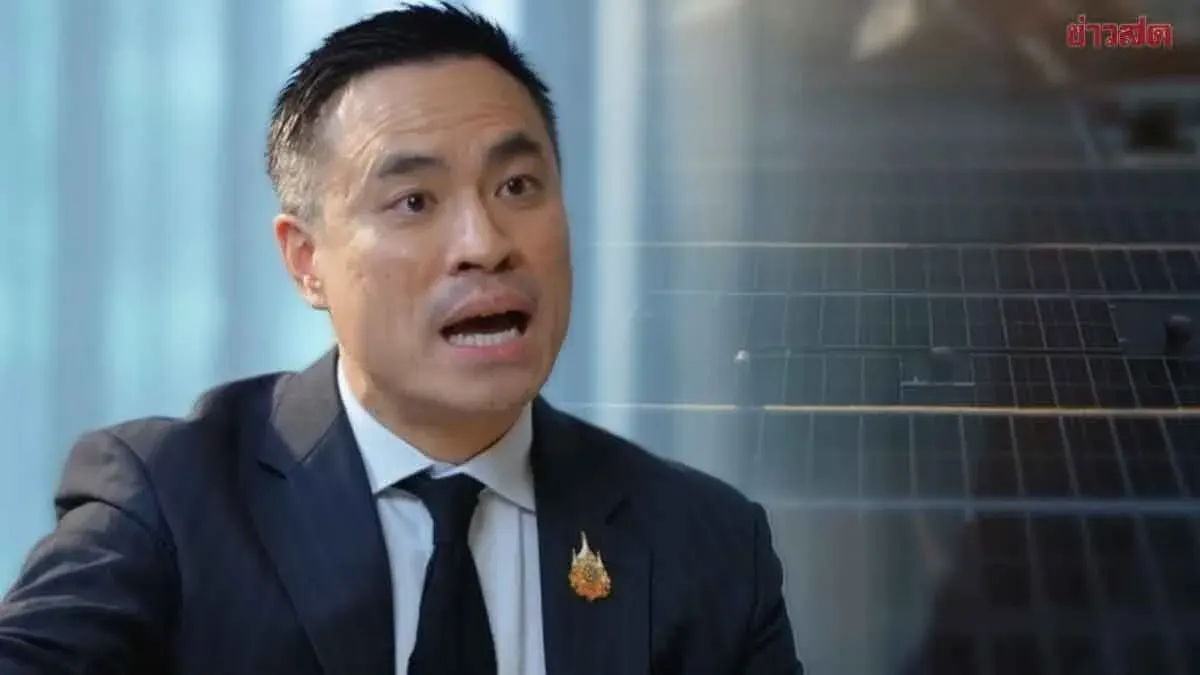
Energy Minister Eknath Samariwong announced government plans to encourage citizens to install rooftop solar panels for personal electricity generation and to become independent power producers selling excess power back to the grid. Speaking on the broadcast program "Talk with Deputy Prime Minister Anuthin" on September 19, he outlined Thailand's energy transition strategy, noting that the government is committed to helping people produce their own power and ultimately own rooftop power plants. This addresses concerns about Thailand's expensive fuel costs and dependence on imported gas, particularly during international conflicts when exports become impossible.
The minister explained that previous regulations made obtaining solar installation permits difficult and time-consuming, but the government has now simplified the process through Regional Electricity Authority approvals without requiring multiple permits from different agencies. To address concerns about daytime solar production not matching nighttime usage, the government has established a power buyback policy allowing citizens to sell excess generated power at fair rates, with credits applied to their monthly electricity bills. The government is expanding this program from a 100-megawatt purchase capacity to 500 megawatts initially, with plans to eventually reach 10,000 megawatts, ensuring the state purchases all electricity produced.
The rooftop solar initiative is part of Thailand's broader energy security and backup power strategy, with implementation beginning in October. The Energy Ministry, Regional Electricity Authority, Interior Ministry, and Finance Ministry are coordinating efforts to streamline the process for citizens choosing to install solar panels. To prevent installation concentration in wealthy urban areas, the government is capping individual installations at 5 kilowatts, allowing homeowners to generate approximately 600-700 units monthly worth about 2,000 baht—effectively making electricity nearly free for participating households.
The minister emphasized that the program will be geographically distributed across the country rather than limited to large urban homes. Regarding imported equipment quality, the Regional Electricity Authority will conduct rigorous inspections of both equipment quality and installation standards before connecting any system to the grid, ensuring safety and compliance. The minister acknowledged concerns about companies preemptively preparing to monopolize installation work, clarifying that the government will ensure transparent competition among installation contractors. He stated that this energy transition plan, combined with Thailand's Power Development Plan to handle crisis situations, will provide clean, secure, and equitable electricity to support industrial growth and economic development during a global energy crisis.