Maha Sarakham Launches Parasite Treatment for 4,500 Students
Maha Sarakham is treating over 4,500 students for liver fluke infections detected through expanded screening, while launching a campaign promoting fully cooked fish to prevent the parasite-linked cholera duct cancer risk common in Northeast
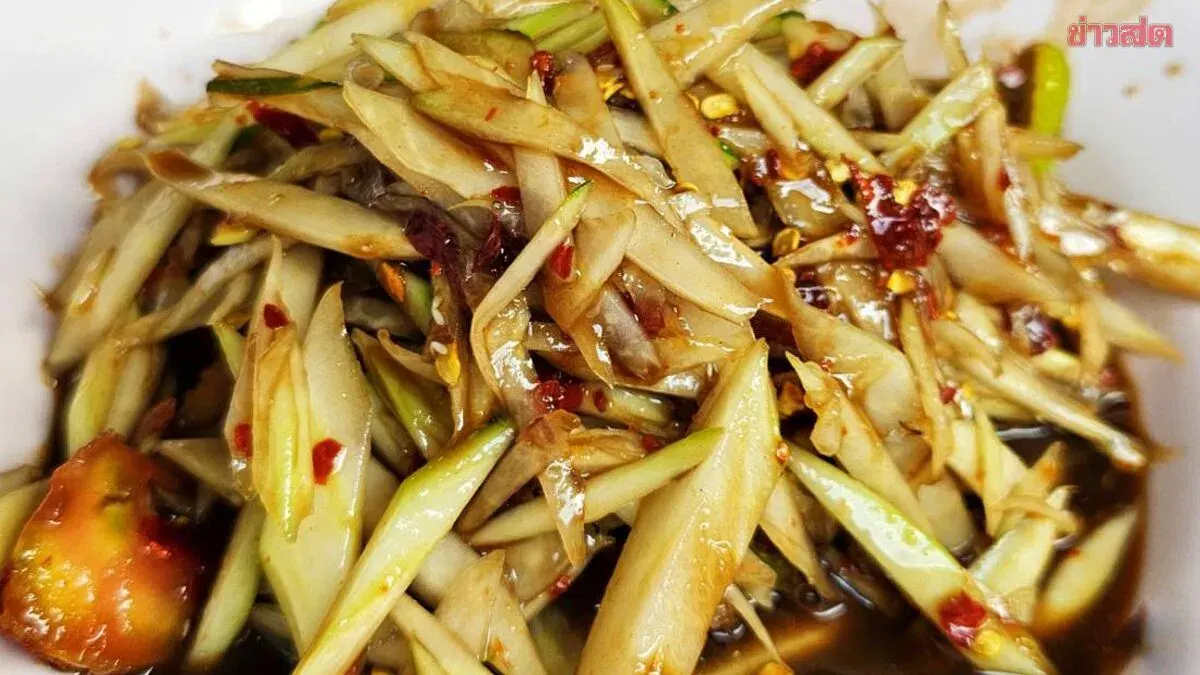
Health authorities in Maha Sarakham are distributing anti-parasitic medication to over 4,500 students and new university enrollees after detecting liver fluke infections. The province is launching a campaign promoting fully cooked fish and fish sauce to prevent the disease, which is a major risk factor for cholera duct cancer. Governor Chumpitch Detcharaj ordered health offices and related agencies to intensify disease prevention measures, including inspections of papaya salad shops, restaurants, and food businesses serving raw fish or raw fish sauce, while promoting the use of cooked fish sauce to reduce long-term infection risks.
On July 7, Dr. Hascha Nuoyitong, the provincial health officer, explained that liver fluke parasites are found in freshwater fish with scales from the cyprinid family, such as snakehead, catfish, and common carp. Parasite larvae embed themselves in fish scales and tissue. When people eat undercooked freshwater fish dishes like fish egg salad, fish salad, or raw fish sauce, larvae enter the body and migrate to the bile ducts in the liver. Chronic infection significantly increases the risk of cholera duct cancer, particularly common in the Northeast region.
Dr. Hascha emphasized that liver flukes are found only in scaled freshwater fish of the cyprinid family and are not found in other fish species. However, this does not mean seafood or salmon are safe, as each fish type may carry its own parasites. Therefore, consuming any raw food—whether freshwater fish, seafood, pork, or beef—carries disease and parasite risks, and all food should be thoroughly cooked.
Dr. Hascha noted that the high number of infections this year does not indicate an unusual outbreak but rather reflects expanded screening among new students. Universities already conduct health screenings, and this year the province added liver fluke testing to the program, resulting in more detections. Additionally, the province switched to detecting parasite antigens in urine using a technology developed by Khon Kaen University, which is faster and more sensitive than traditional stool examination. The test takes only about 15 minutes and can screen many people simultaneously, detecting infections even with low parasite counts or before the parasite reproductive stage, unlike stool testing which depends on finding parasite eggs and the examiner's experience.
Following the screening, all infected students will receive anti-parasitic medication with one year of follow-up monitoring to prevent cholera duct cancer.