Doctor Explains Why Liver Fluke Infections Plague Northeast Thailand
Northeastern Thailand's high liver fluke infection rates stem from consuming raw or undercooked freshwater fish, which can harbor parasites that live in the bile duct for decades and increase cancer risk.
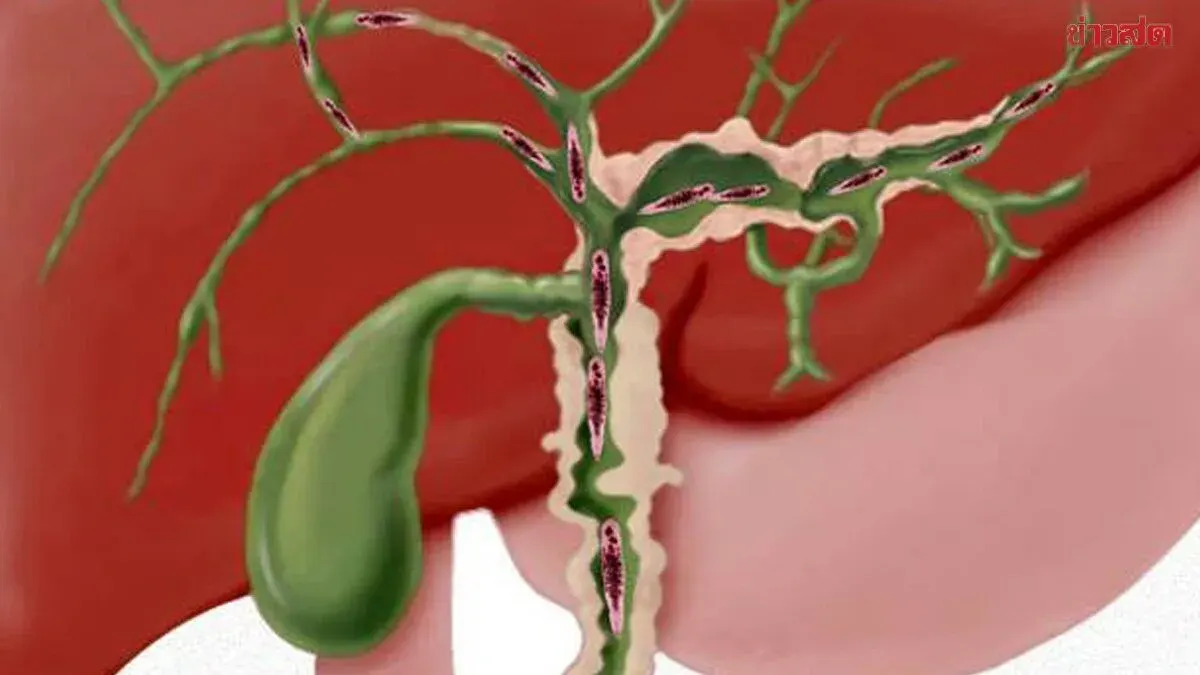
Doctor Suphruck Vicharanyan, known as Dr. Oak and owner of the "Dr. Oak DoctorSixpack" social media page, has explained why parasitic liver fluke infections are so common in northeastern Thailand.
While many have heard that "the northeast has lots of liver flukes," this is true, but the cause isn't related to the region's geography or ethnicity. Rather, it stems from eating raw or undercooked freshwater fish combined with the parasite's life cycle in local waterways.
Why is the Northeast Most Affected?
Many traditional dishes—such as koi pla (fish cakes), larb pla ding (raw fish salad), pla som (fermented fish), pla jom, and pickled or marinated fish that haven't been heat-treated—may contain liver fluke larvae. When consumed, the larvae travel to the bile duct and can live in the body for 20-30 years.
How Prevalent Is This in Thailand?
National surveys over the years show that in 1981, about 14% of Thais were infected with liver flukes, but in the northeast the rate reached 34.6%—roughly one in three people in some areas. Although infection rates have declined due to ongoing campaigns, the northeast remains the most affected region, with some surveys still finding 13-16% infection rates through stool samples, and some communities showing even higher prevalence. A 2019 national health ministry survey found 2.2% of all Thais infected, with most cases concentrated in the northeastern region.
The Most Frightening Aspect: It's Not Just Having the Parasite
Many believe taking deworming medication is sufficient, but liver flukes can inhabit the bile duct for 20-30 years. Repeated infections from regularly eating raw fish cause chronic bile duct inflammation, which is a critical factor triggering cell mutations that develop into cholangiocarcinoma (bile duct cancer). The World Health Organization classifies liver flukes as a Group 1 human carcinogen.
Early stages often show no symptoms, but over many years, complications can include chronic bile duct inflammation, bile duct stones, hepatitis, bile duct infections, liver dysfunction, and most dangerously, bile duct cancer. Thailand, especially the northeast, has one of the world's highest rates of cholangiocarcinoma, clearly linked to chronic liver fluke infection.
Prevention Is Possible
- Always eat freshwater fish thoroughly cooked - Avoid fish cakes, raw fish salad, and unheated fermented fish - If you've regularly eaten raw fish, seek medical checkups as recommended - Don't think taking deworming medication regularly is enough—repeated infections still increase cancer risk
Liver fluke may not cause illness today but silently damages the liver and bile duct over decades. Avoiding raw fish just once may reduce future disease risk significantly.
About Salmon: FAQ
Raw salmon is generally "not" a source of Thai liver flukes. However, raw salmon does carry risks from other parasites and pathogens. Liver flukes are found in freshwater fish such as tilapia.