Man Dies From Bacterial Infection After Rescuing Bird
A man in Thailand died within 48 hours after rescuing a fallen bird, contracting a deadly Chlamydia psittaci infection. The bacteria, carried naturally by birds like crows and pigeons, entered his system through direct contact. A viral Facebook post now warns the public to avoid bare-hand contact with wild birds and to seek immediate medical attention if flu-like symptoms develop after handling them.
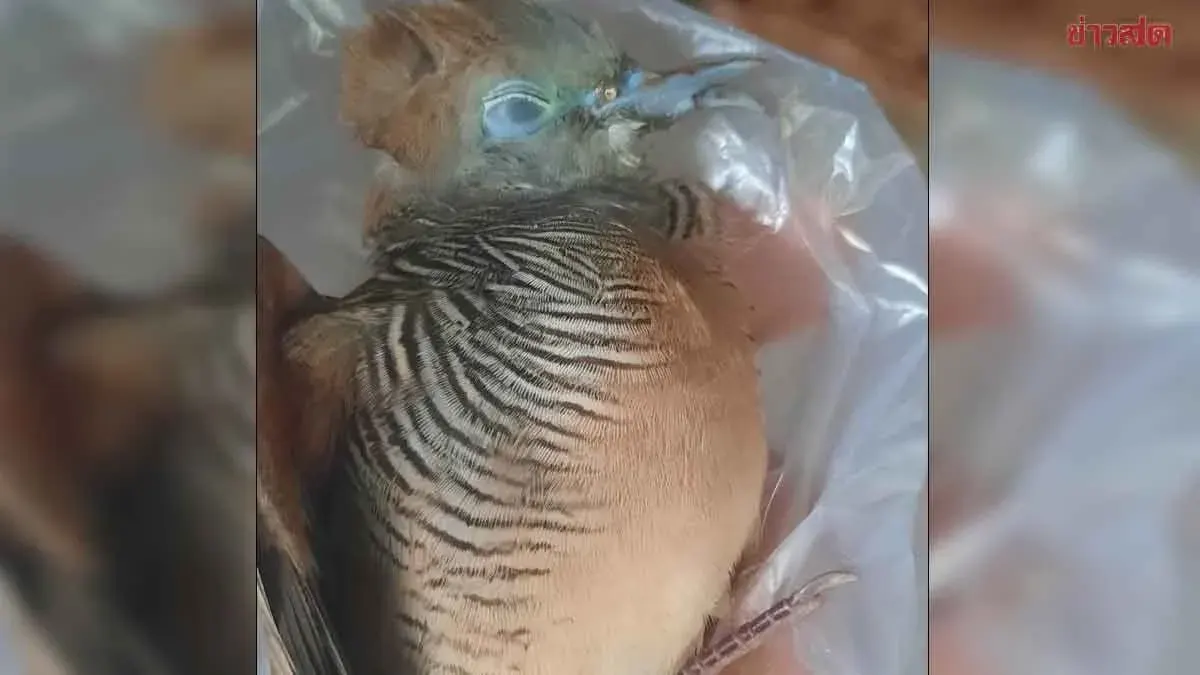
A tragic warning has emerged after a man died from a severe bacterial infection contracted from a bird he rescued. On November 11, 2026, Facebook user Chamras Intamong posted a message originally shared on November 6, recounting the sudden loss of a close friend. The friend, previously healthy with no underlying conditions, found a weak, emaciated bird that had fallen from a tree last Friday. He cared for the bird for three days until it recovered, then released it. Shortly after, he felt unwell and took over-the-counter medicine. By Tuesday afternoon, he became exhausted and lethargic. His partner noticed his face had darkened dramatically and rushed him to the hospital. Doctors diagnosed severe sepsis. His condition deteriorated rapidly: blood pressure dropped, heart rate fell, blood sugar and platelet counts plummeted. The man's face turned extremely dark, and despite aggressive treatment, he died within 48 hours of symptom onset. Lab results confirmed the cause was Chlamydia psittaci, a bacterium naturally found in birds — including crows, pigeons, and parrots — in their feathers, secretions, and droppings. The bacteria can enter humans through bare-hand contact, touching food or eyes after handling, or inhaling dust from dried droppings, quickly invading the lungs and bloodstream and causing multi-organ failure. The post urges everyone: never handle wild or sick birds with bare hands; if rescue is necessary, wear a mask and thick cloth or gloves; when cleaning droppings, wet them first to avoid aerosolizing dust and wear a mask; and if you develop high fever, cough, breathing difficulty, or unusual fatigue after bird contact, seek medical care immediately and inform the doctor of the exposure.