Mekong Farmers Keep Using River Water Despite Arsenic Contamination Fears
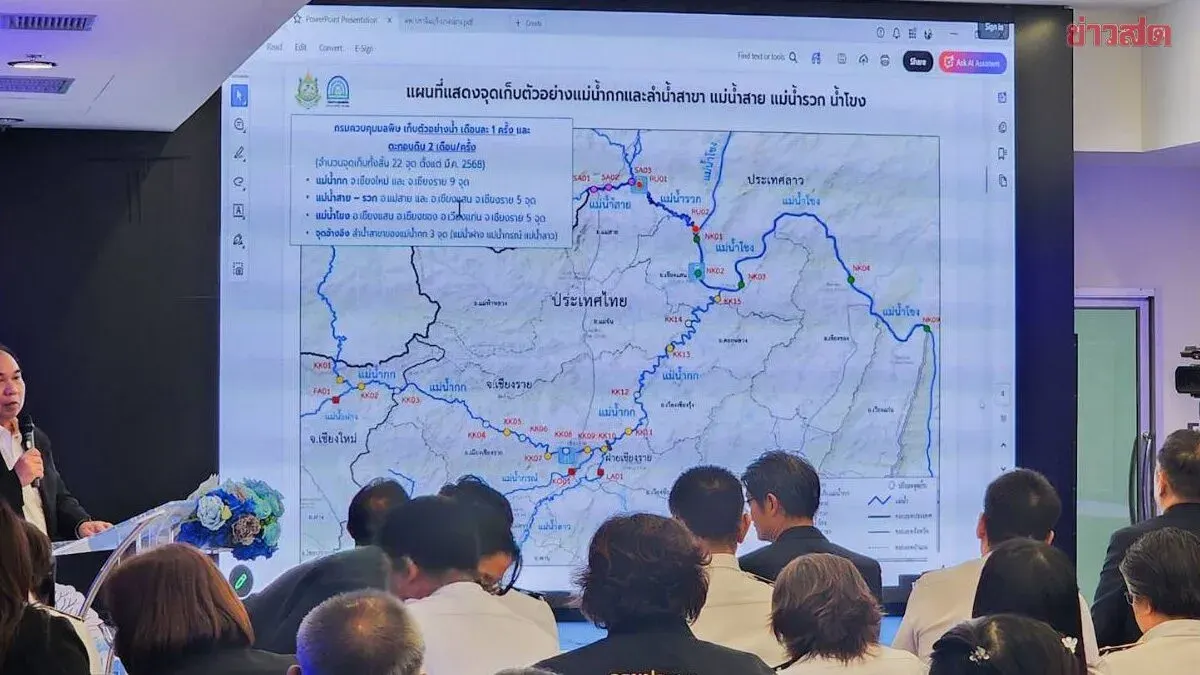
Farmers in Bueng Kan province continue using Mekong River water for irrigation despite arsenic contamination concerns that have hurt vegetable sales. They cite lower costs and lifelong reliance on the river, but are urging authorities to test water and crops for safety. Health officials plan to screen 40 people for arsenic exposure tomorrow as the river runs high and murky red.
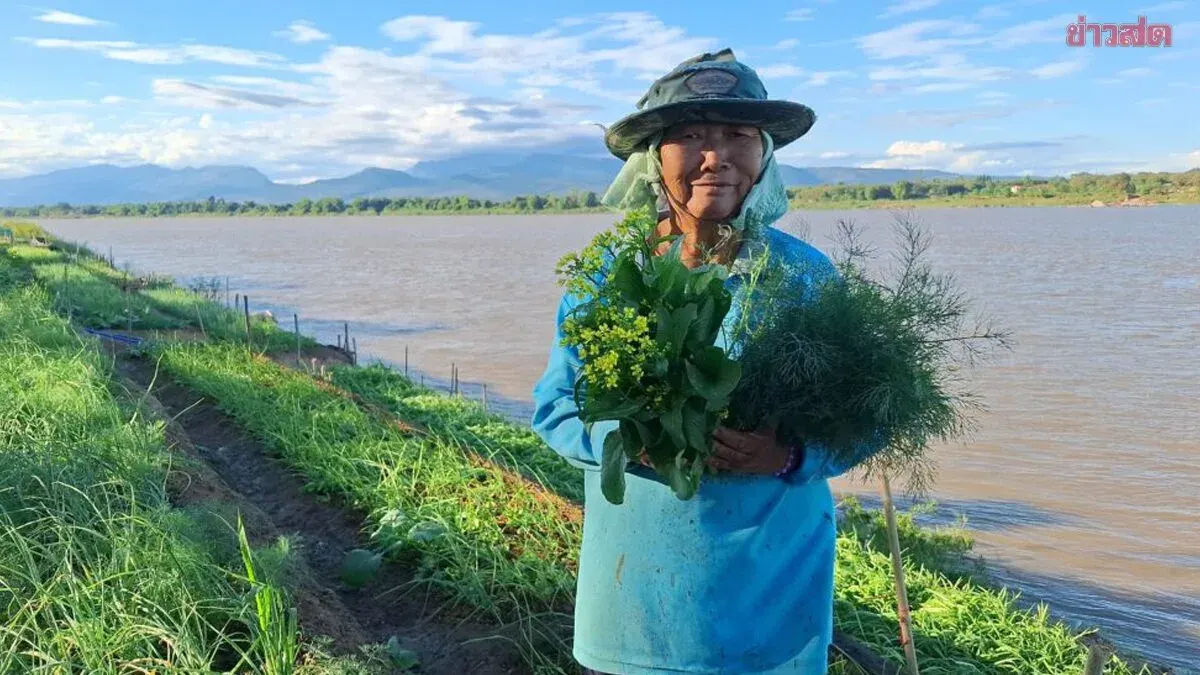
Farmers along the Mekong River in Ban Phan Lam, Moo 2, Wisit Subdistrict, Mueang District, Bueng Kan Province, pump raw water from the Mekong to irrigate their terraced, pesticide-free vegetable plots. Early morning is the best time, allowing water to soak into the soil so plants can photosynthesize fully. Despite worries about arsenic contamination in the Mekong, Ms. Sukanya Kamchomphu, owner of Mae Kham Tan Vegetable Garden (Ban Phan Lam Community Enterprise for Pesticide-Free Vegetables), revealed that the contamination news is affecting riverside vegetable farmers. Every planting season, locals and tourists buy their produce, but now sales and advance orders have dropped. She is personally worried because her family has always lived by the Mekong — using the water for drinking, daily use, and irrigation — yet farmers still need to use Mekong water to reduce water costs. She wants relevant agencies to test water and crops for contaminants to provide clarity for farmers and confidence for consumers. Meanwhile, reporters noted that this morning the Mekong water level at the Ban Phan Lam monitoring station had risen, and the water has turned murky red and is flowing strongly again. Tomorrow (November 24), Bueng Kan public health officials will conduct active surveillance, collecting urine and blood samples from 40 farmers and close contacts in Mueang District to screen for environmental arsenic poisoning.