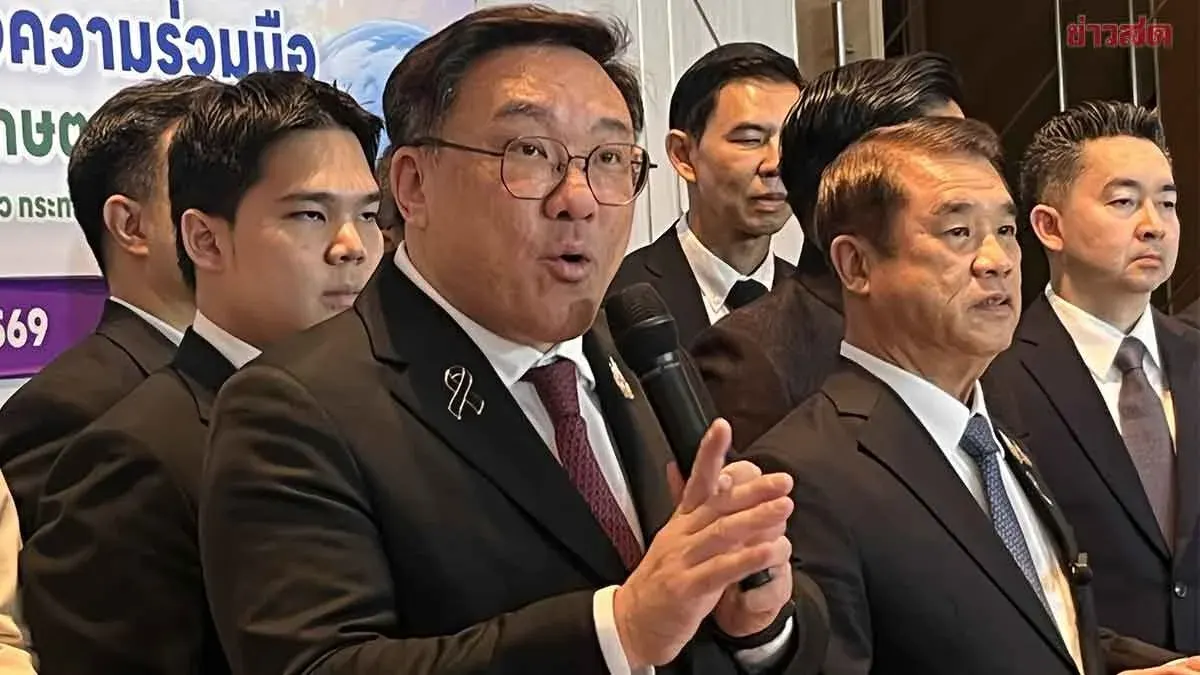
Minister Accepts Transport Group's Call to Reduce B7 Diesel Prices
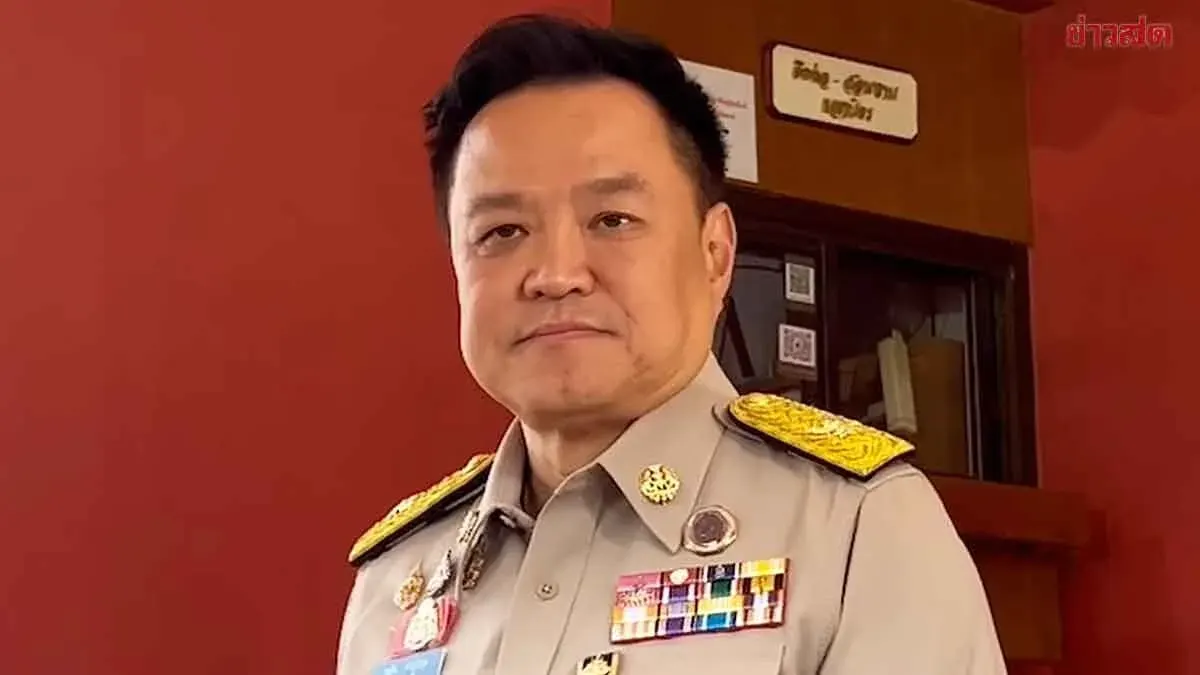
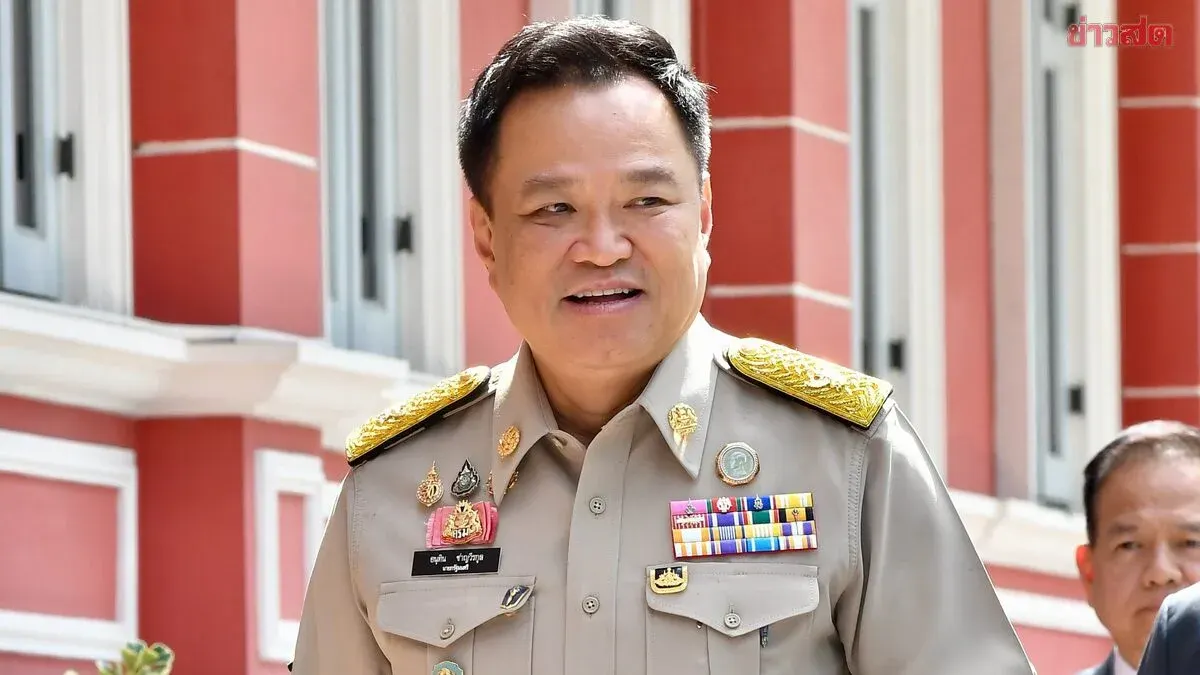
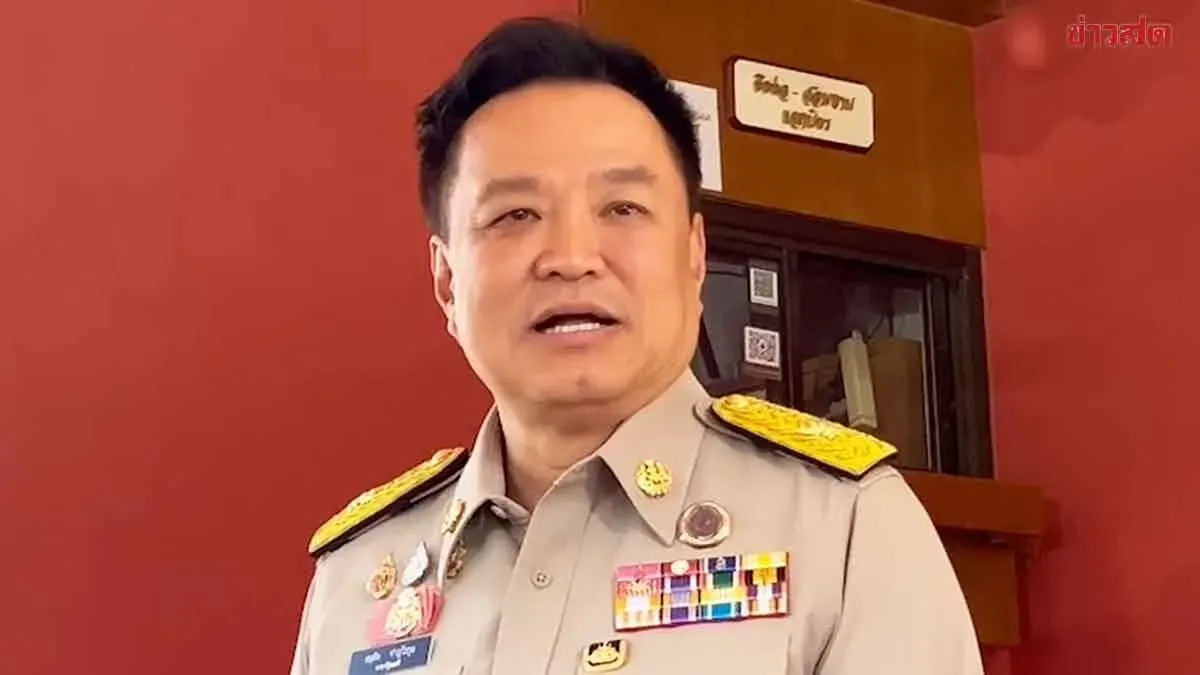
Energy Minister Ekkarat Promphan met with the Land Transport Federation of Thailand and agreed to study proposals to lower B7 diesel prices and explore targeted tax rebates for the transport sector. The ministry says it has already reformed oil pricing structures by eliminating phantom costs and using actual refinery crude prices, and will continue monitoring global markets to push domestic diesel prices down further.
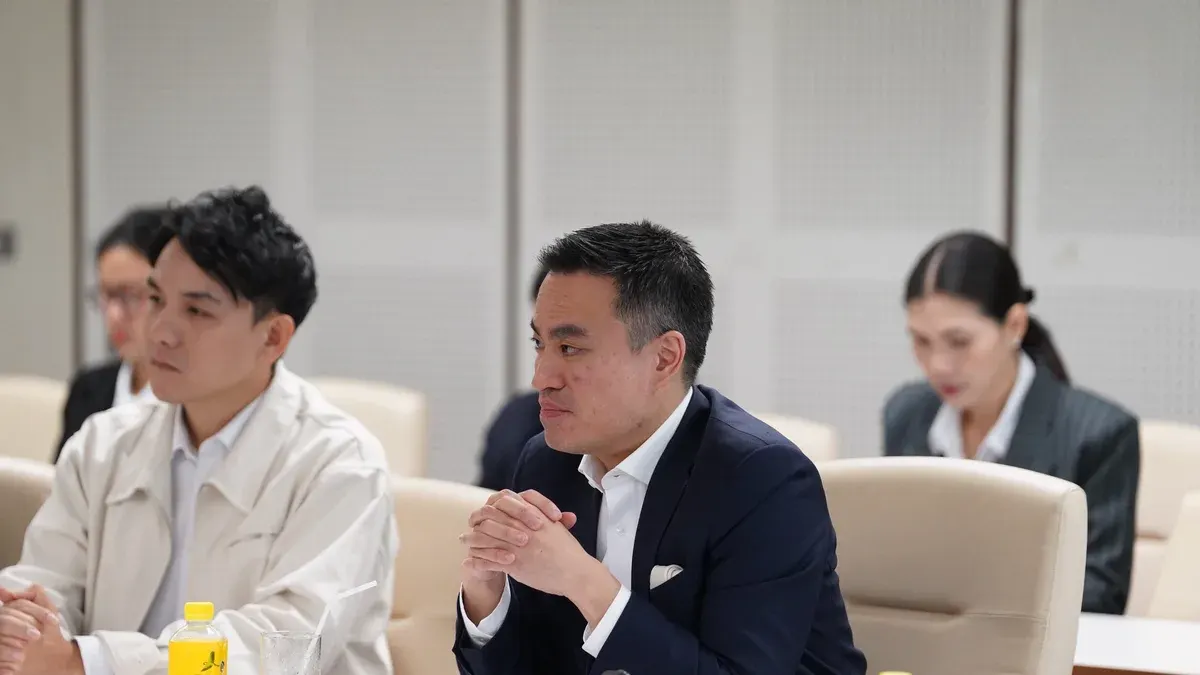
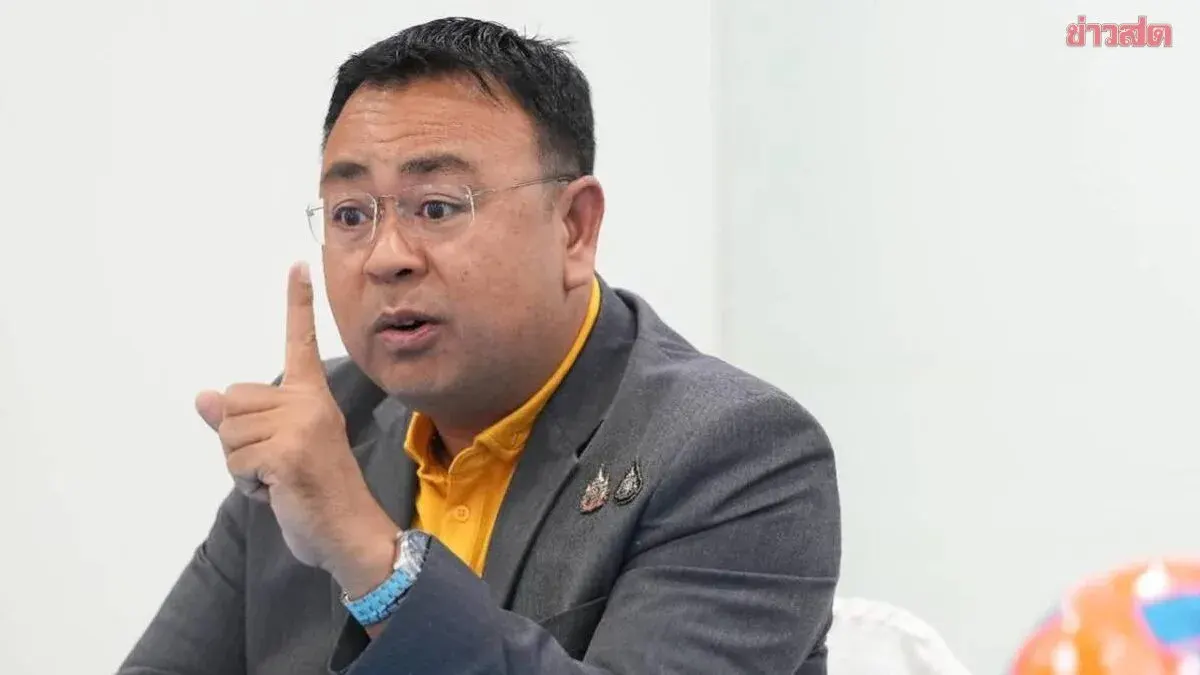
Energy Minister Ekkarat Promphan, accompanied by Permanent Secretary Thitiphat Chotidechanan and Ministry Spokesperson Phongphat Yodmuangcharoen, held talks with representatives from the Land Transport Federation of Thailand led by President Thong Yoo Khongkhan and transport association delegates from across the country to address energy cost concerns.
The federation highlighted the impact of high diesel prices on their competitiveness against foreign operators and proposed several measures: reducing B7 diesel to an appropriate level, addressing technical limitations of B20 biodiesel in trucks, considering targeted tax rebates for the transport sector, and concerns about transition costs to electric trucks.
Minister Ekkarat listened to all proposals and outlined the ministry's actions and commitment to fair energy price management. He noted the ministry has already reformed the oil pricing structure in multiple dimensions — eliminating non-existent costs, switching from notional import pricing to actual refinery crude costs, controlling refining and marketing margins at fair levels during the crisis, and returning excess profits to compensate consumer prices.
Going forward, the ministry will monitor the situation and manage mechanisms to bring B7 diesel prices down to appropriate levels, and stands ready to push prices lower if global market prices continue falling. On excise taxes and biodiesel use, Ekkarat explained that B20/E20 tax cuts aim to support agricultural crops, and the ministry has used fuel fund differentials and liquidity savings to subsidize base B7 diesel prices. Regarding transport sector assistance or tax rebates, the ministry will study the details for feasibility, cost-effectiveness, and legal compliance to avoid loopholes or excessive fiscal burden.
"The Energy Ministry well understands the difficulties of our transport brothers and sisters, who are the lifeblood of the national economy. What we have done all along is dismantle and cut excessive costs so energy prices reflect reality as closely as possible. Today we are pleased to listen and ready to consider every proposal — including strategic oil reserves for energy security, or measures already implemented such as controlling refining margins and eliminating phantom costs. Whatever falls within the ministry's legal framework and authority, we will accelerate to alleviate the heat, to create fairness and maximum benefit for the people."