Labour Minister Defends Social Security Board Term Extension to Three Years
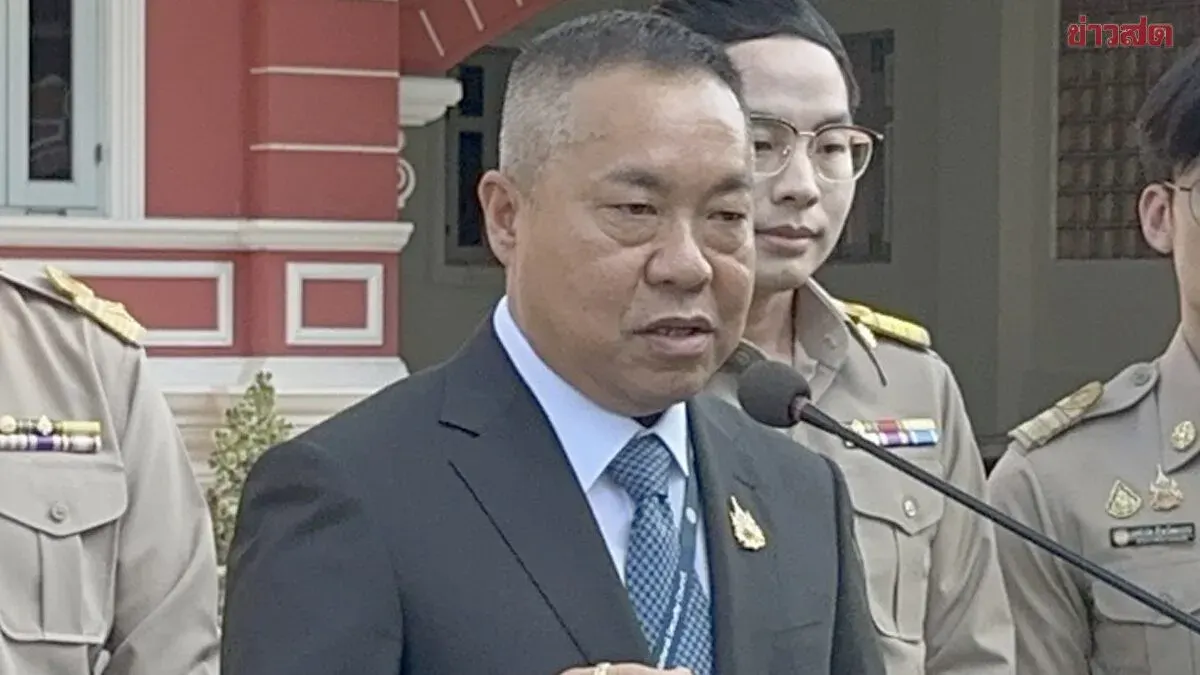
Labour Minister Chulaphan Amornvivat defended the extension of the Social Security Board's term from two to three years, calling it necessary for continuity and denying any manipulation in the drafting process. He expects the board election results to be certified by November 12 and emphasized that multiple draft bills will be merged during parliamentary review.
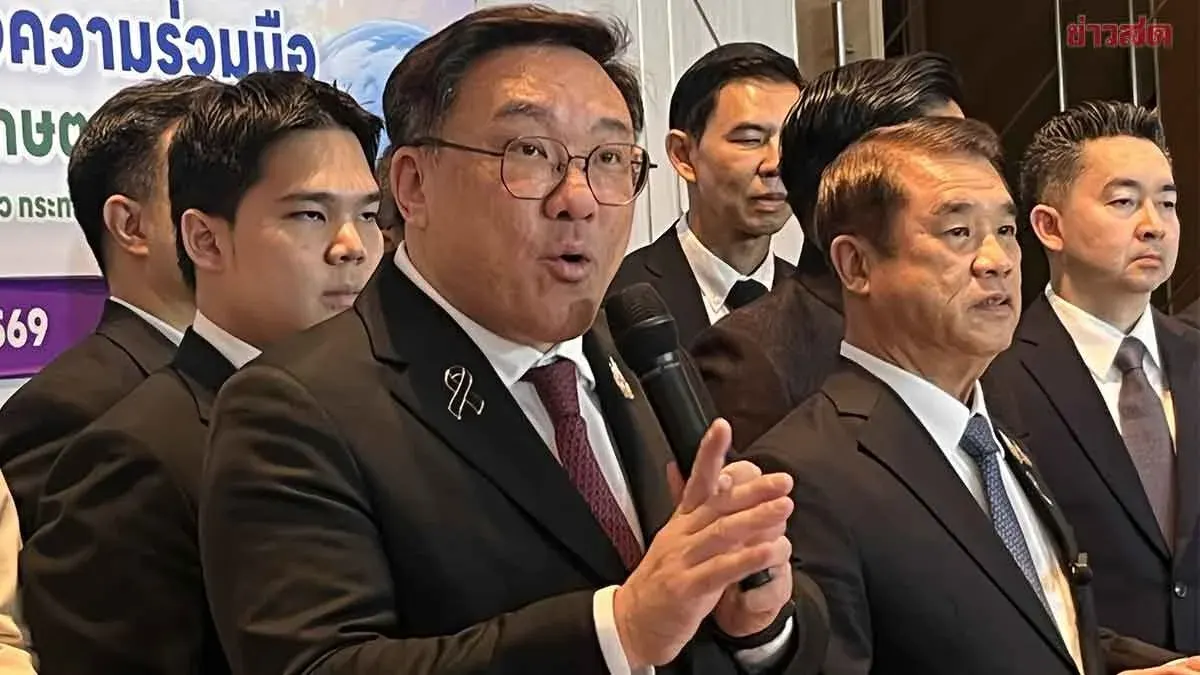
Labour Minister Chulaphan Amornvivat clarified amendments to the Social Security Act, confirming the extension of the Social Security Board's term from two to three years. He denied any manipulation in the drafting process and expects the election results to be certified on November 12, stating there should be no issues and he wants to begin work immediately.
Speaking at the Aswin Grand Convention Hotel in Bangkok on November 9, 2026, Minister Chulaphan addressed observations from the "Progressive Social Security Team" regarding the latest draft of the Social Security Act. They questioned why other draft versions were not submitted to the Cabinet for consideration.
Chulaphan explained that the legislative process must be understood first. Members of the House of Representatives already have the authority to submit draft bills, and the Pheu Thai Party also has its own MP-sponsored version. Each draft may have different aspects and dimensions, which is normal in the legislative process.
The Ministry's draft originates from the Social Security Office (SSO), passes through the Ministry's Legal Affairs Committee, and is then submitted to the Minister for Cabinet proposal, accompanied by opinions from relevant agencies. "We have completed this process fully. The Minister cannot simply add new issues to the draft at will. The draft must go through relevant committees and public hearings, so agreed-upon issues cannot be inserted immediately," Chulaphan said.
He acknowledged the Ministry's draft does not cover every desired issue, so they coordinated with MPs and party members to propose additional points in the MP-sponsored drafts to make the amendment as comprehensive as possible.
Regarding observations that the board term extension was a covert manipulation, Chulaphan cited two factors. First, a two-year term may disrupt continuity because the first year is spent learning processes, laws, and adapting to the role. Extending to three years allows more effective work, though agreement is subject to parliamentary review.
Second, term limits prevent any individual from holding power or entrenching themselves in the organization long-term, which aligns with democratic principles.
Chulaphan emphasized this is not his sole authority. When the draft reaches Parliament, three to four drafts will be merged, potentially adopting principles from multiple versions, with content still subject to change during House and Senate review.
Asked if the board term change originated under the current government, Chulaphan said it was a carryover from previous administrations, not something he proposed upon taking office.
He said he does not understand criticism using terms like "revolution" or "reform," as the changes are not worrying or undemocratic. Those who agree or disagree can voice opinions and follow legal procedures.
On suggestions to revisit the 2022 draft before Cabinet reconsideration, Chulaphan said he holds no unilateral view, as legal suitability can be seen from multiple perspectives.