MNRE Tightens Metal Scrap Import Rules to Curb E-Waste
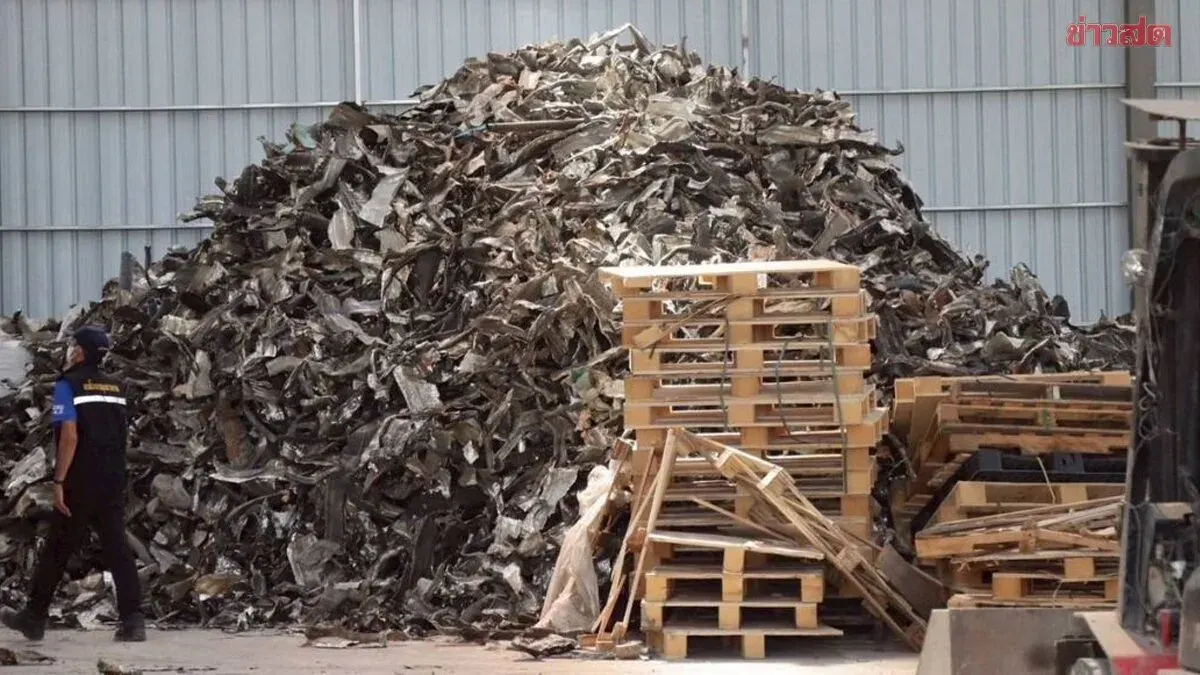
Thailand's Ministry of Natural Resources and Environment is tightening regulations on metal scrap imports and exports to prevent electronic waste dumping. A working group has drafted new contamination standards and inspection guidelines for iron, aluminum, and copper scrap, which will be submitted to the Cabinet for approval on November 11, 2026. The move aims to close loopholes that allow hazardous e-waste to enter the country under the guise of recyclable metal.
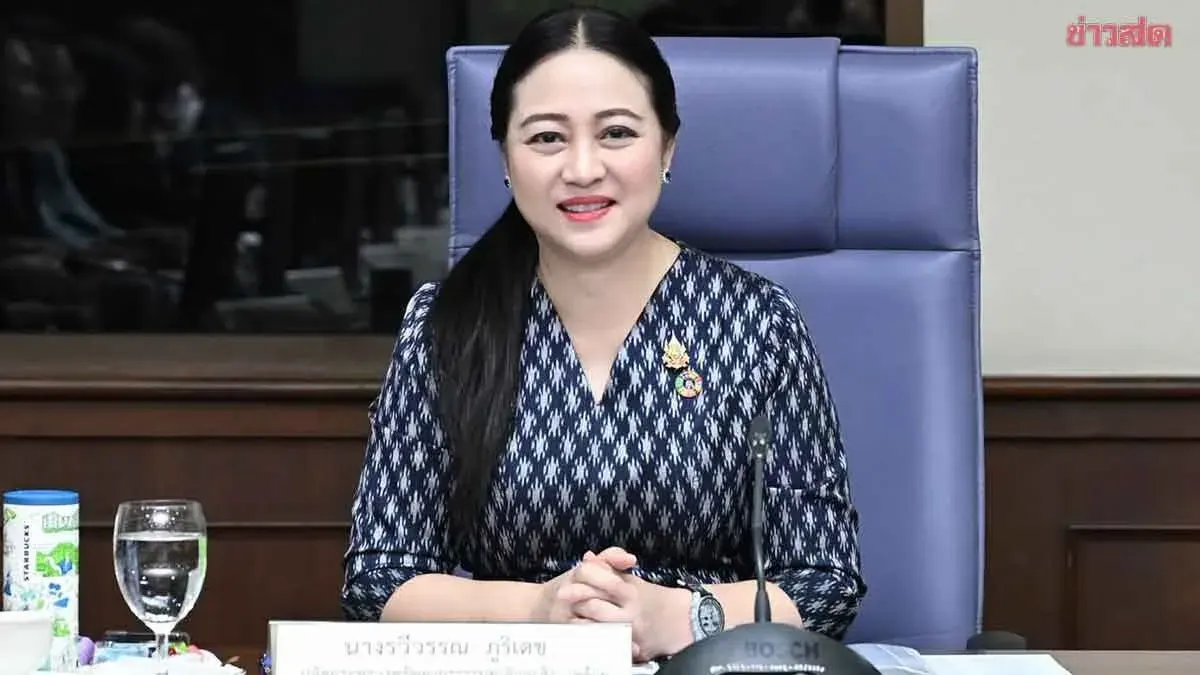
The Ministry of Natural Resources and Environment is moving to tighten controls on the import and export of metal scrap, aiming to strengthen comprehensive measures to prevent electronic waste problems and planning to submit the finalized framework to the Cabinet for consideration on November 11, 2026. At the Ministry of Natural Resources and Environment, Permanent Secretary Dr. Rawiwan Phuridej chaired the second meeting of the working group on contamination standards and characteristics of metal scrap allowed into the Kingdom. Representatives from the Ministry of Commerce, the Customs Department, the Department of Industrial Works, and the private sector attended.
The meeting acknowledged the results of consultations with operators on approaches to controlling metal scrap imports and exports, as well as the Prime Minister's Office Order No. 401/2026 establishing a committee to resolve electronic waste issues, which serves as a framework for integrated action. Participants also discussed guidelines for setting standards and measures controlling metal scrap imports, inspection practices for inbound shipments, and controls on exports of various scrap types including iron, aluminum, and copper, to ensure effective oversight aligned with actual operating conditions.
The meeting endorsed the proposed control approaches for metal scrap imports and exports and tasked the Pollution Control Department with drafting detailed import and export control guidelines. These will be submitted to the special task force on import-export control measures under the electronic waste resolution committee for further action. Dr. Rawiwan emphasized that relevant agencies must accelerate consultations and produce clear, comprehensive standards and operating procedures that account for regulatory, inspection, and impact dimensions, so appropriate control measures for metal scrap imports and exports can be determined before submission to the Cabinet.