Thailand Cracks Down on Illegal Hazardous Waste Imports
Thailand imports over $424 million in recyclable scrap annually for its metal and manufacturing industries, but authorities are cracking down on hazardous waste smuggled in misdeclared containers. Recent inspections uncovered e-waste and heavy-metal contamination falsely labeled as aluminum scrap, prompting immediate re-exports and tighter enforcement to protect public health and the environment.
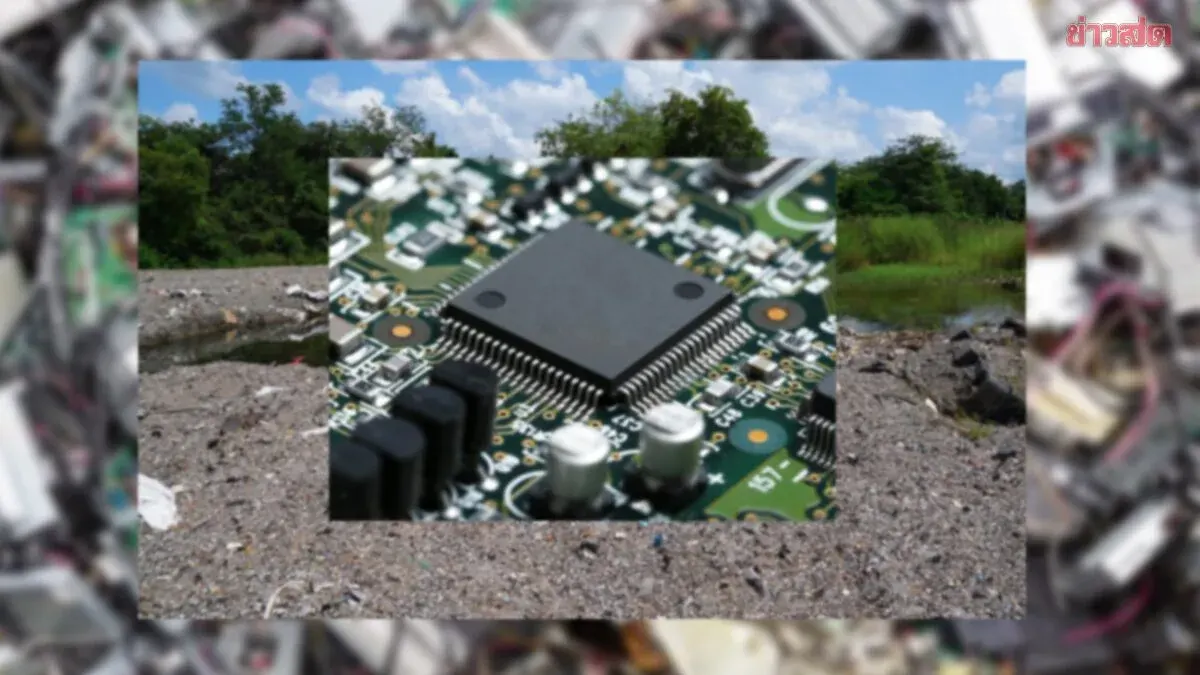
Thailand imports significant quantities of recyclable materials from abroad — primarily high-quality metal scrap, copper, and aluminum — to feed its steel, metal, and processing factories. In 2025, imports totaled over $424.2 million (about 13.17 billion baht), with the United States, Australia, Canada, and Japan as top sources. While this trade has long supported domestic recycling, recent years have revealed a growing problem: containers declared as metal scrap often contain prohibited hazardous waste, including e-waste and contaminated materials. The government has banned imports of municipal waste, e-waste, plastic scrap, rubber, and used tires, but false declarations continue. In January 2026, the Department of Industrial Works inspected eight containers declared as aluminum scrap and found one loaded with circuit-board waste contaminated with heavy metals, ordering its immediate return. Illegal waste imports are no longer just a trade issue; improper disposal of toxic contaminants threatens soil, water, and air, directly affecting communities. Authorities stress the need for rigorous monitoring, transparency, and stronger safeguards to prevent Thailand from becoming a dumping ground for foreign waste.