National Corruption Probe Into Rigged Civil Service Exams
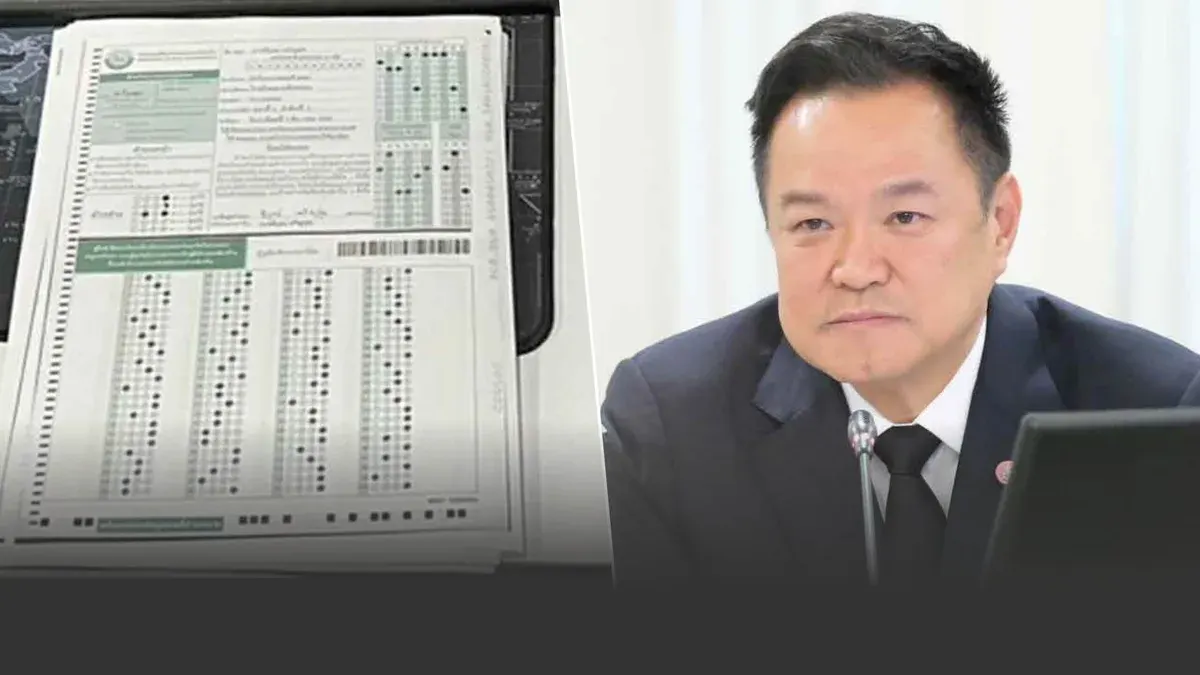
The National Anti-Corruption Commission is launching a special investigation into widespread fraud in Thailand's 2568 civil service exams, where officials allegedly altered scores and collected bribes from applicants. Among roughly 15,000 n
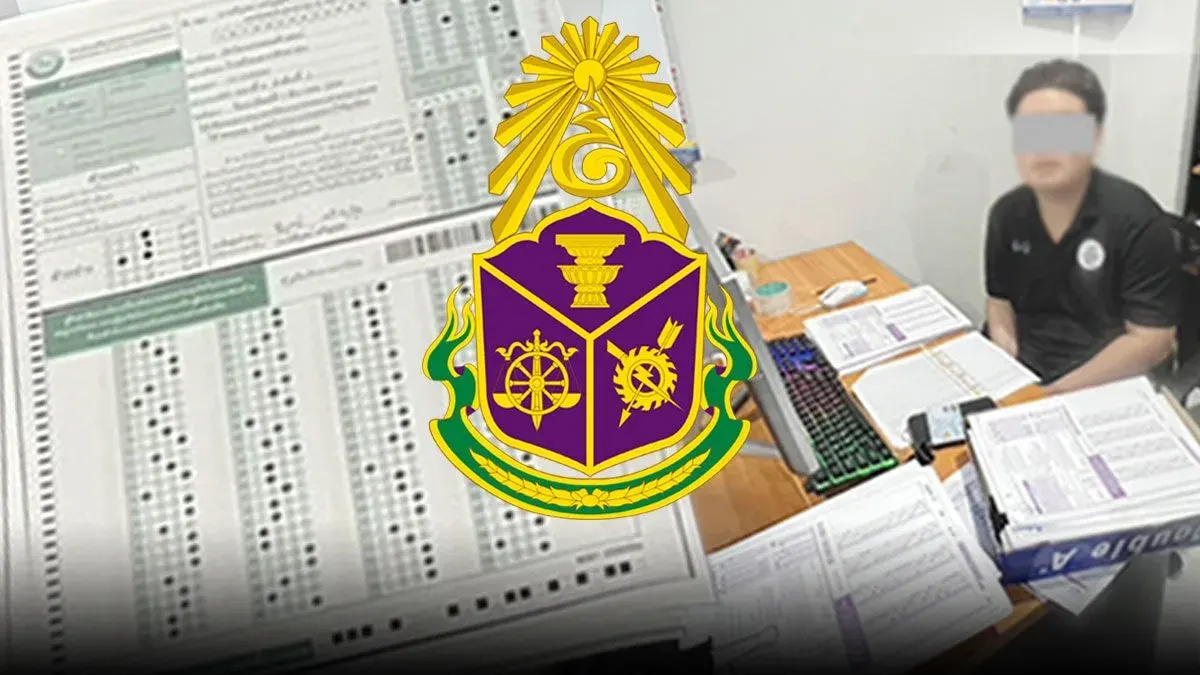
The National Anti-Corruption Commission (NACC) has decided to investigate fraud allegations in the 2568 civil service and local government recruitment examination program, which involved altering test scores and collecting money from applicants.
The NACC is treating this as a special investigation case under Section 51 of the Anti-Corruption Act of 2561, targeting multiple groups of individuals involved in the scheme.
Those under investigation include senior executives from the Department of Local Administration, government officials responsible for administering and announcing exam results, non-government individuals who altered applicant scores, bribe-collection intermediaries, and those who benefited from score manipulation.
The NACC is now launching its investigation into this high-profile corruption scandal that has drawn nationwide criticism and public attention.
The NACC office stated that after collecting information and evidence, it found credible grounds to believe that the director-general of the Department of Local Administration and associates conducted exams by altering scores and collecting payments from applicants to help them pass.
Given the national significance of these allegations and their broad societal impact, the case qualifies as a special investigation under NACC guidelines. The NACC presented the case to its board for designation as a special investigation, which will involve coordination with the National Police Office and the Special Investigation Bureau to provide support to the investigation committee.
The investigation is expected to expand beyond the initial five suspect groups to include additional individuals and organizations.
The fraud in the 2568 civil service and local government recruitment examinations involves high-ranking officials from the Ministry of Interior and will have far-reaching consequences nationwide.
Among approximately 15,000 individuals who were recruited as civil servants or local government employees, roughly 5,000 were found to have discrepancies between their recorded scores and answer sheet records.
Given the large number of people involved, this appears to be a major organized scheme. Beyond the corruption itself, the case also reveals serious deficiencies and laxity in Thailand's civil service system.
Therefore, in addition to investigating and prosecuting those involved, urgent civil service system reforms are necessary.