Gen Z Facing Rising Risk Of Liver Fluke Infection
Generation Z in Northeast Thailand increasingly risks liver fluke infection from eating raw or undercooked fish dishes popularized on social media, with nearly one in three people in the region already infected and facing potential cancer c
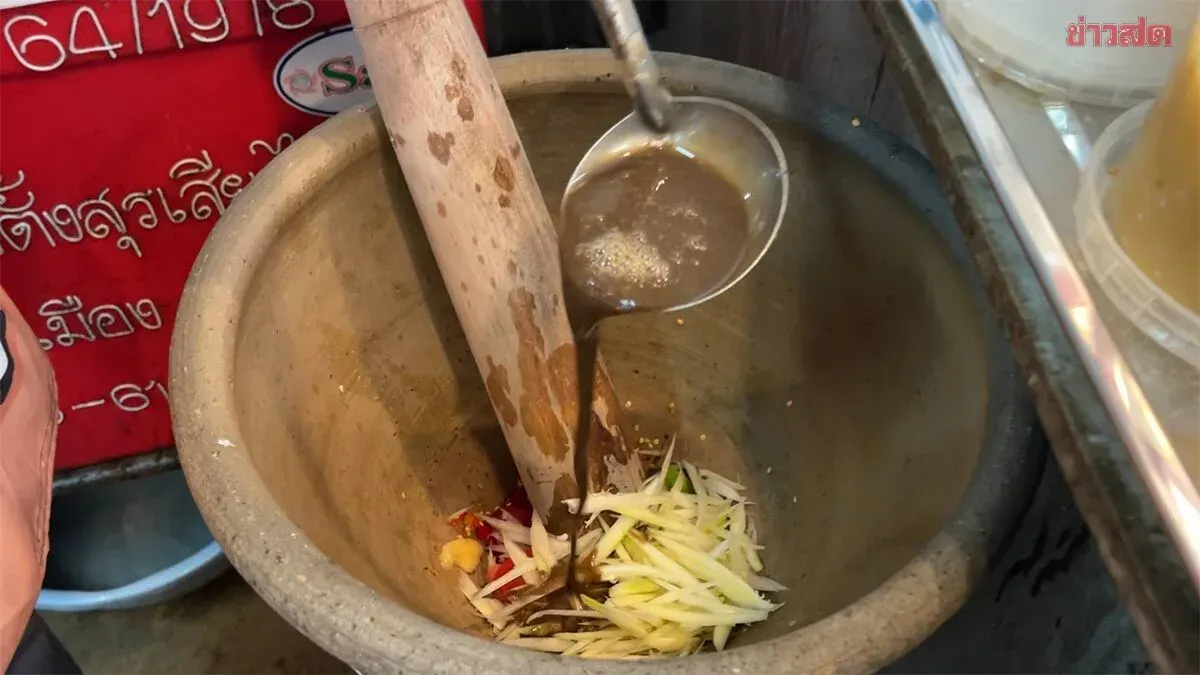
At Khon Kaen University's Faculty of Medicine on July 7, 2024, Associate Professor Wacharin Loilom, acting director of the Cholangiocarcinoma Research Institute, revealed that Gen Z infections from the liver fluke parasite are increasing due to social media exposure. Northeast Thailand records over 10,000 cholangiocarcinoma cases annually. The director cited a concerning trend: numerous influencers posting viral videos of eating raw or undercooked fish dishes, particularly fermented fish prepared with lime juice and chili powder, which young people enthusiastically replicate. Random screening of approximately 200,000 people across the Northeast found an average liver fluke infection rate of 28.8%, with roughly one in three people infected. The truly alarming aspect is not the parasite itself, which is treatable with anthelmintic drugs, but the risk of cholangiocarcinoma development. If people continue old eating habits after treatment, they risk repeated infections, significantly increasing cancer risk. With Northeast Thailand's population of 24 million, approximately 6 million face infection risk. Khon Kaen University has developed a rapid test kit, similar to COVID-19 tests, approved by health authorities. The public health system now covers one free annual screening for those 15 and older who answer yes to any of three risk questions. Restaurant owner Wachirpun Wanthong, 39, owner of Saep Chatchajen restaurant, assured customers that his establishment uses 100% boiled fermented fish at 200 degrees Celsius, guaranteeing safety. He noted that customer visits have only increased since the health warnings emerged.